wayground logo

Free Printable Worksheets

Font size

S
M
L
XL
Worksheets

HUMAN A&P SEMESTER EXAM

Total questions: 130

Worksheet time: 1hrs 17mins

Name
Class
Date
1.

What is A?

a)

left upper quadrant

b)

left lower quadrant

c)

right upper quadrant

d)

right lower quadrant

2.

B is..

a)

left lower quadrant

b)

Left upper quadrant

c)

right lower quadrant

d)

right upper quadrant

3.

What is C?

(a)  

4.

What is D?

(a)  

5.

What is 1?

a)

left hypochondriac

b)

right hypochondriac

c)

hypogastric

d)

epigastric

6.

what is 5?

a)

hypogastric

b)

right lumbar

c)

left hypochondriac

d)

umbilical

7.

what is 8?

a)

hypogastric

b)

umbilical

c)

epigastric

8.

what is 2?

a)

epigastric

b)

hypogastric

c)

umbilical

9.

what is 7?

a)

epigastric

b)

right iliac

c)

left iliac

d)

left hypochondriac

10.

what is 6?

a)

left lumbar

b)

right lumbar

c)

left iliac

d)

right iliac

11.

what is 4?

a)

left lumbar

b)

right iliac

c)

right lumbar

d)

left iliac

12.

what is 3?

a)

hypogastric

b)

left hypochondriac

c)

left iliac

d)

left lumbar

13.

what is 9?

a)

left lumbar

b)

right iliac

c)

left iliac

14.

What is 1?

a)

Thoracic Cavity

b)

Abdominal Cavity

c)

Cranial Cavity

d)

Pelvic

15.

What is 2?

a)

Dorsal

b)

Pelvic

c)

Vertebrae

d)

Cranial

16.

What is 3?

a)

Cranial

b)

Thoracic

c)

Vertebrae

d)

Abdominal

17.

What is 4?

a)

Thoracic

b)

Abdominal

c)

Cranial

d)

Pelvic

18.

What is 5?

a)

Pelvic

b)

Thoracic

c)

Diaphragm

19.

What is 6?

a)

Abdominal

b)

Pelvic

c)

Dorsal

20.

What is 7?

a)

Thoracic

b)

Abdominal

c)

Pelvic

21.

Where is the Fimbriae?

a)

1

b)

3

c)

4

d)

7

22.

Where is the vagina?

a)

7

b)

2

c)

6

23.

Where is the cervix?

a)

5

b)

1

c)

6

24.

Where are the ovaries?

a)

3

b)

4

c)

5

d)

2

25.

Where is the Penis head?

a)

8

b)

1

c)

3

d)

14

26.

What is 11?

a)

Testicle

b)

Bulbourethral Gland

c)

Prostate

d)

Erectile Tissue

27.

Where is the testicle?

a)

8

b)

11

c)

7

d)

1

28.

Where is the Vas Deferens

a)

6

b)

8

c)

12

d)

9

29.

Where is the ureter?

a)

9

b)

3

c)

6

d)

5

30.

Where is the urethra?

a)

14

b)

12

c)

5

d)

6

31.

What is 6?

a)

Epididymis

b)

Urethra

c)

Vas deferens

d)

seminal vesicle

32.

Where is the Seminal Vesicle

a)

1

b)

2

c)

12

d)

10

33.

What are the two types of sex cells?

a)

Sperm

b)

Testicles

c)

Egg

d)

Ovaries

34.
Which is not part of the female's reproductive system?
a)
Labia
b)
Uterus
c)
Cervix
d)
Vas Deferens
35.
An egg cell leaves the _______________ and goes into the fallopian tube.
a)
Testicle
b)
Ovary
c)
Uterus
d)
Scrotum
36.
The meeting of a sperm and ovum.
a)
Intercourse
b)
Implantation
c)
Conception
d)
Fertilization
37.
The lining of the uterus coming out through the vagina (sometimes called 'having a period').
a)
Conception
b)
Fertilization
c)
Implantation
d)
Menstruation
38.
What do you call the process in which the ovary releases a mature egg cell?
a)
penile erection
b)
ejaculation
c)
ovulation
d)
nocturnal emission
39.
Where does fertilization usually take place?
a)
ovary
b)
fallopian tube
c)
cervix
d)
vagina
40.

What is the pregnancy Hormone?

(a)  

41.

How are epithelial tissues named?

a)

shape and layers

b)

direction

c)

shape

d)

layers

42.

Lines body organs

a)

Nervous tissues

b)

Muscle tissues

c)

Epithelial Tissues

d)

Connective Tissues

43.

Bind structures

a)

Epithelial Tissue

b)

Connective Tissue

c)

Muscle Tissue

d)

Nervous Tissue

44.

send nerve impulses

a)

Epithelial tissues

b)

Connective tissues

c)

Nervous tissues

d)

Muscle Tissues

45.

movement, generate heat

a)

Epithelial tissues

b)

Connective tissues

c)

Nervous tissues

d)

Muscle tissues

46.

where are skeletal muscles located?

a)

hollow organs

b)

blood vessels

c)

bones

d)

heart

47.

where are smooth muscles located

a)

heart

b)

hollow organs

c)

blood vessels

d)

bone

48.

where are cardiac muscles located

a)

heart

b)

hollow organs

c)

blood vessels

d)

bone

49.
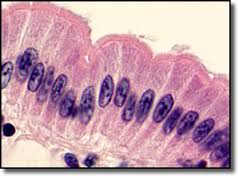
Identify:
a)
Columnar
b)
Cuboidal
c)
Pseudostratified
d)
Transitional
50.
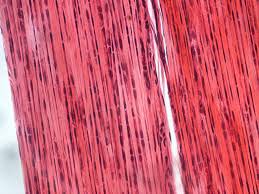
Identify:
a)
Pseudostratified
b)
Smooth Muscle
c)
Transitional
d)
Stratified Squamous
51.
Identify:
a)
Smooth Muscle
b)
Columnar
c)
Transitional
d)
Pseudostratified
52.
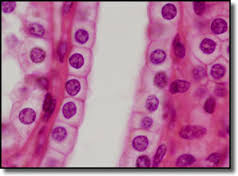
Identify:
a)
Columnar
b)
Cuboidal
c)
Transitional
d)
Simple Squamous
53.
Identify:
a)
Areolar
b)
Smooth Muscle
c)
Transitional
d)
Simple Squamous
54.
Identify:
a)
Pseudostratified
b)
Simple cuboidal
c)
Transitional
d)
Simple Squamous
55.
Identify:
a)
Pseudostratified
b)
Smooth Muscle
c)
Transitional
d)
Stratified Squamous
56.
Identify:
a)
Smooth Muscle
b)
Columnar
c)
Transitional
d)
Pseudostratified
57.
Lines ducts and glands
a)
Columnar
b)
Cuboidal
c)
Simple Squamous
d)
Transitional
58.
Absorbs nutrients in the digestive tract
a)
Columnar
b)
Cuboidal
c)
Simple Squamous
d)
Pseudostratified
59.
Found in organs like the bladder that need to stretch
a)
Areolar
b)
Stratified squamous
c)
Pseudostratified
d)
Transitional
60.
Used in places where diffusion needs to occur, such as blood vessels and air sacs in the lungs
a)
Cuboidal
b)
Columnar
c)
Simple Squamous
d)
Stratified Squamous
61.
Used in places needing protection from scrapes and abrasions such as the skin and esophagus
a)
Cuboidal
b)
Pseudostratified
c)
Simple Squamous
d)
Stratified Squamous
62.
Secretes mucus in the respiratory tract, specifically the trachea
a)
Transitional
b)
Pseudostratified
c)
Simple Squamous
d)
Stratified Squamous
63.

Loose connective tissue is also known as ____?

a)

areolar connective tissue

b)

hyaline

c)

macrophages

d)

adipocytes

64.

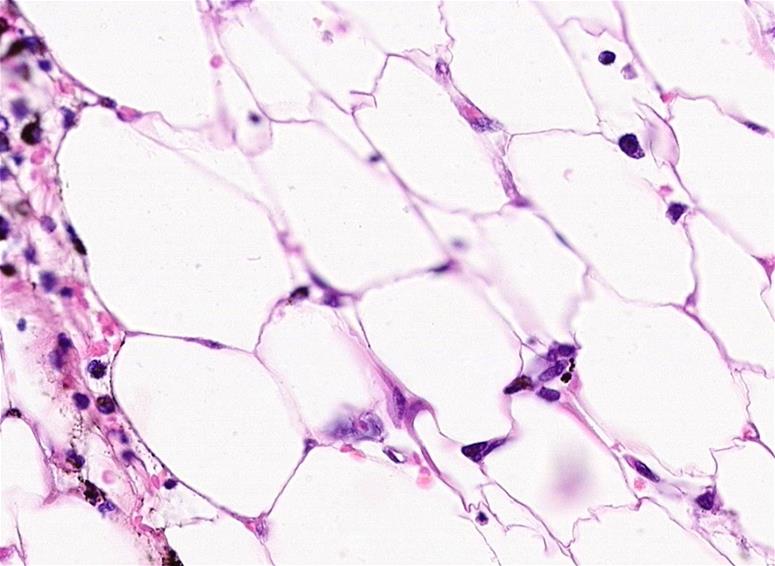
What type of tissue is this?

a)

Dense connective tissue

b)

Elastic connective tissue

c)

Irregular connective tissue

d)

Hyaline connective tissue

65.

What type of tissue is this?

a)

Loose connective tissue

b)

Dense connective tissue

c)

Elastic connective tissue

d)

Hyaline connective tissue

66.

This connective tissue is found mostly in the nose, ears and trachea.

a)

Loose connective tissue

b)

Dense connective tissue

c)

Elastic connective tissue

d)

Hyaline connective tissue

67.

This cartilage is springy, yellow, and elastic and is found in the internal support of the external ear and in the epiglottis.

a)

Hyaline cartilage

b)

Fibrous cartilage

c)

Elastic cartilage

d)

Loose connective tissue

68.

This tissue gives support and binds organs of the body.

a)

Epithelial tissue

b)

Connective tissue

c)

Muscle tissue

d)

Nerve tissue

69.

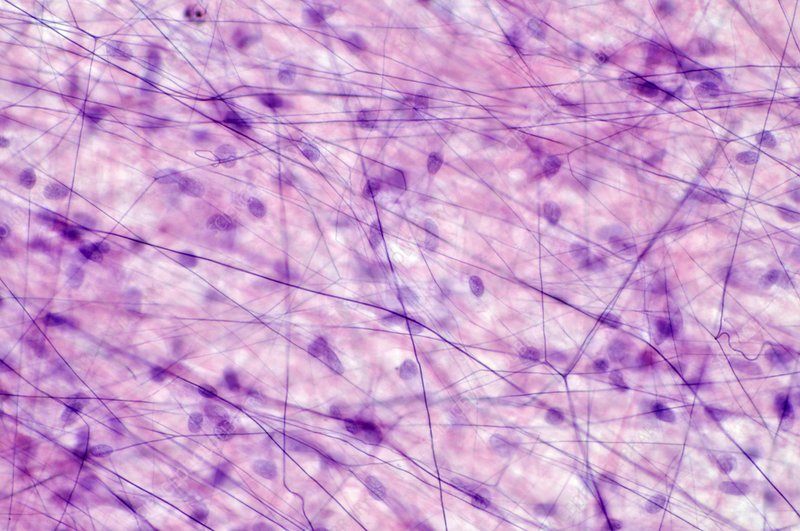
What type of tissue is this?

a)

Areolar connective tissue

b)

Adipose connective tissue

c)

Dense connective tissue

d)

Loose connective tissue

70.

This type of connective tissue contains large amount of fibers.

a)

Areolar connective tissue

b)

Fibrous connective tissue

c)

Cartilage

d)

Bone

71.

The cells of the Nervous Tissue are called

a)

Glial Cells

b)

Neurons

c)

Muscle Cells

d)

Dendrites

72.

______ is composed of Nervous Tissue.

a)

Lungs

b)

Brain

c)

Eyes

d)

Heart

73.
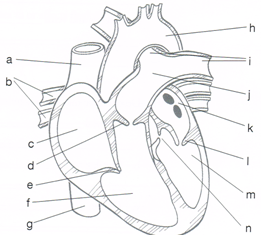
Which part of the heart is this?
a)
Aorta
b)
Pumonary Vein
c)
Pulmonary Artery
d)
Left Atrium
74.
Which part of the heart is this?
a)
Aorta
b)
Right Ventricle
c)
Left Atrium
d)
Left Ventricle
75.
Which part of the heart is this?
a)
Pulmonary Vein
b)
Pulmonary Artery
c)
Right Atrium
d)
Tricuspid Valve
76.
a)
Left atrium
b)
Right atrium
c)
Left ventricle
d)
Right ventricle
77.
a)
Pulmonary veins
b)
Pulmonary artery
c)
Aorta
d)
Vena cava
78.
Which part of the heart pumps deoxygenated (oxygen-poor) blood?
a)
Left side
b)
Right side
c)
Top side
d)
Bottom side
79.
What creates the "lub dub" heart sounds?
a)
Flow of blood
b)
Closing of valves
c)
Opening of valves
d)
Breathing
80.

Blood cell that protect the body against infection

a)

Platelets

b)

Plasma

c)

Hemoglobin

d)

White Blood Cells

e)

Blood

81.

Which of the following is associated with oxygenated blood?

a)

Aorta

b)

Pulmonary Artery

c)

Septum

d)

Right Ventricle

82.
2?
a)
Right Atrium
b)
Right Ventricle
c)
Left Atrium
d)
Left Ventricle
83.
1?
a)
Right Ventricle
b)
Right Pulmonary Vein
c)
Superior Vena Cava
d)
Inferior Vena Cava
84.
3?
a)
Superior Vena Cava
b)
Right Pulmonary Vein
c)
Right Ventricle
d)
Right Atrium
85.
4?
a)
Superior Vena Cava
b)
Right Pulmonary Artery
c)
Right Pulmonary Vein
d)
Inferior Vena Cava
86.
4?
a)
Tricuspid Valve
b)
Mitrial Valve
c)
Aortic Valve
d)
Pulmonary Valve
87.
n?
a)
Mitrial Valve
b)
Tricuspid Valve
c)
Aortic Valve
d)
Pulmonary Valve
88.
5?
a)
Aorta
b)
Pulmonary Valve
c)
Atrium
d)
Ventricle
89.

What is blood made of?

a)

oxygen and plasma

b)

red blood cells and white blood cells

c)

plasma, red blood cells, white blood cells, and platelets.

d)

plasma and platelets

90.

What is plasma?

a)

only white blood cells

b)

only red blood cells

c)

fluid part of blood

d)

hemoglobin

91.

Where are platelets made?

a)

plasma

b)

hemoglobin

c)

bone marrow

d)

Pottery Barn

92.
Which blood cells are most abundant in the body?
a)
erythrocytes
b)
platelets
c)
lymphocytes
d)
eosinophils
93.
What blood type can receive blood from both Type B and Type AB donors?
a)
Type AB
b)
Type B
c)
Type A
d)
Type O
94.
platelets are also known as
a)
leukocytes
b)
erthryocytes
c)
thrombocytes
d)
monocytes
95.
white blood cells are also known as
a)
thrombocytes
b)
erthryocytes
c)
monocytes
d)
leukocytes
96.
What type of blood is the universal donor?
a)
O
b)
AB
97.

Universal blood recipients have type ______ blood.

a)

A

b)

AB

c)

B

d)

O

98.

This cell type functions specifically to combat parasitic infections but also helps to promote inflammation and plays a role in allergic reactions

a)

Basophil

b)

T lymphocyte

c)

Eosinophil

d)

Thrombocyte

e)

Neutrophil

99.

Which cell type is pictured?

a)

Eosinophil

b)

Thrombocyte

c)

Lymphocyte

d)

Monocyte

e)

Neutrophil

100.

Which cell type is pictured?

a)

Eosinophil

b)

Erythrocyte

c)

Lymphocyte

d)

Monocyte

e)

Neutrophil

101.

Which cell type is pictured?

a)

Basophil

b)

Thrombocyte

c)

Lymphocyte

d)

Monocyte

e)

Neutrophil

102.

Leukocytes that activate phagocytes to start the immune response.

a)

basophils

b)

eosinophils

c)

lymphocytes

d)

monocytes

e)

neutrophils

103.

Leukocytes that increase during parasitic infections.

a)

basophils

b)

eosinophils

c)

lymphocytes

d)

monocytes

e)

neutrophils

104.

Leukocytes that increase in number during bacterial and fungal infections.

a)

basophils

b)

eosinophils

c)

lymphocytes

d)

monocytes

e)

neutrophils

105.

Leukocytes that produce histamine and heparin.

a)

basophils

b)

eosinophils

c)

lymphocytes

d)

monocytes

e)

neutrophils

106.

Leukocytes that increase in number during chronic viral & bacterial infections.

a)

basophils

b)

eosinophils

c)

lymphocytes

d)

monocytes

e)

neutrophils

107.

Leukocytes that increase during allergy attacks and produce clear snot.

a)

basophils

b)

eosinophils

c)

lymphocytes

d)

monocytes

e)

neutrophils

108.

Where does the digestive system start?

a)

The liver

b)

The throat

c)

The stomach

d)

The mouth

109.

What does the small intestine do?

a)

reabsorbs the water after the process of the system.

b)

Absorbs most of the end of the nutrients and minerals from where the food takes place.

c)

keeps the stomach in balance for when the system starts.

d)

Absorbs most of the food that's left from the process.

110.

Which is the esophagus?

a)

A

b)

B

c)

C

d)

D

e)

E

111.

What does the large intestine do?

a)

digest the food from this process

b)

makes a pathway for the food

c)

reabsorb a lot of the water from this process

d)

absorbs the food from this process

112.

Which parts of the diagram is the small and large intestine?

a)

A~ small intestine

E~ large intestine

b)

D~ small intestine

E~ large intestine

c)

C~ large intestine

B~ small intestine

d)

A~ large intestine

C~ small intestine

e)

E~ small intestine

D~ large intestine

113.
The process by which the body breaks down food so that it can be used for energy.
a)
composition
b)
digestion
c)
deposition
d)
absorption
114.
The muscular organ in the body where chemical and mechanical digestion take place.
a)
pancreas
b)
liver
c)
stomach
d)
esophagus
115.
The opening at the end of the digestive track where feces exits the body.
a)
large intestine
b)
small intestine
c)
rectum
d)
anus
116.
A muscular tube that helps move food from the mouth to the stomach.
a)
esophagus
b)
trachaea
c)
small intestine
d)
gall bladder
117.
An organ of the digestive system that makes chemicals to help the body break down fats and rid itself of harmful substances.
a)
esophagus
b)
mouth
c)
liver
d)
stomach
118.
A series of wave-like muscle contractions that moves food to different processing stations in the digestive tract.
a)
adduction
b)
primary wave
c)
peristalsis
d)
inversion
119.
a)
large intestine
b)
small intestine
c)
rectum
d)
esophagus
120.
a)
esophagus
b)
liver
c)
stomach
d)
pancreas
121.

What enzyme is found in saliva that starts digesting carbohydrates?

a)

amylase

b)

chyme

c)

pepsin

d)

bile

122.

What does the pancreas do?

a)

produces digestive enzymes to break down proteins and fats

b)

produces sodium bicarbonate to neutralize stomach acid

c)

regulates our blood sugar levels

d)

all answers are correct

123.
2
a)
Mouth 
b)
Salivary Glands
c)
Small Intestine
d)
Rectum
124.
4
a)
Gallbladder
b)
Liver
c)
Stomach
d)
Pancreas
125.
7
a)
Anus
b)
Small Intestine
c)
Large intestine
d)
Rectum
126.
8
a)
Liver
b)
Gallbladder
c)
Appendix
d)
Pancreas
127.
What organ makes bile?
a)
Gallbladder
b)
Liver
c)
Pancreas
d)
Appendix
128.
What is the correct order in which food passes through the digestive system?
a)
mouth>stomach>large intestine>small intestine
b)
esophagus>sm intestine>stomach>lg intestine
c)
stomach>sm intestine>esophagus>mouth
d)
mouth>esophagus>stomach>sm intestine>lg intestine
129.

What is the acidic fluid that passes from the stomach following churning?

a)

Bolus

b)

Chyme

c)

Hydrochloric acid

d)

Enzymes

130.

Where is the gastric juice released?

a)

Stomach

b)

Small intestine

c)

Mouth

d)

Large intestine