Wayground logo

Free Printable Worksheets

Font size

S
M
L
XL
Worksheets

Review Quiz

Total questions: 35

Worksheet time: 23mins

Name
Class
Date
1.
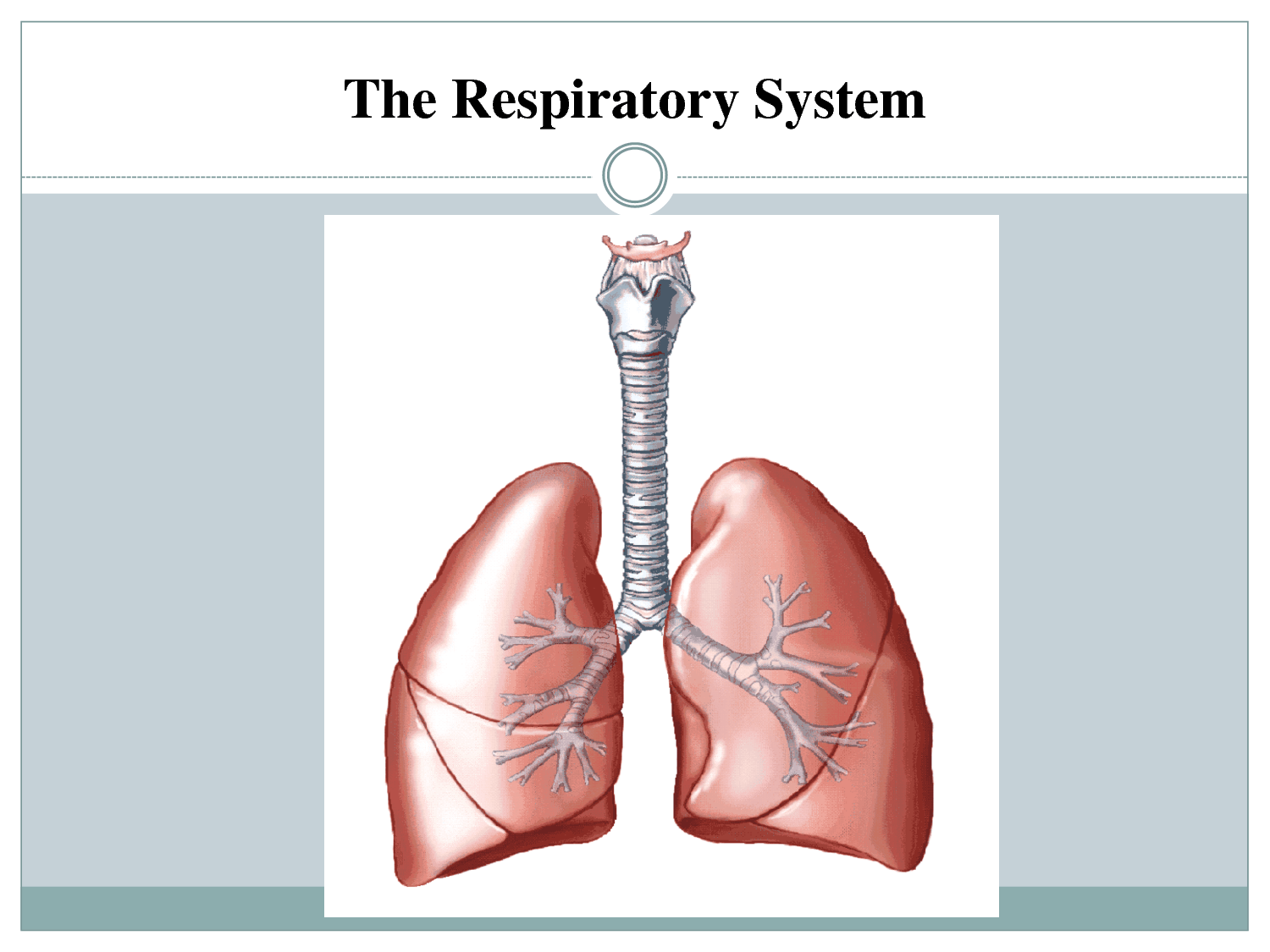
What are the main organs of gas exchange in the respiratory system?
a)
diapragm
b)
lungs
c)
trachea
d)
bronchi
2.

What is another name for your windpipe?

a)

Trachea

b)

Sternum

c)

Diaphram

d)

Carotid

3.

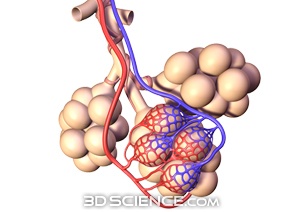
What are the sacs called that exchange carbon dioxide for oxygen in your blood?

a)

Alvioli

b)

Ravioli

c)

Tavoli

d)

Stromboli

4.
When you breathe, your lungs take in ___ and remove ___. 
a)
air/oxygen
b)
oxygen/carbon dioxide 
c)
carbon dioxide/waste 
d)
waste/air 
5.
What is the main function of the respiratory system?
a)
to provide oxygen and remove carbon dioxide from the body
b)
to bring oxygen to the body
c)
to break down food and absorb nutrients
d)
to remove oxygen from the body and deliver carbon dioxide
6.
Given the following structures:
1. larynx
2. nasal cavity
3. pharynx
4. trachea
Which of the following is the correct order that air would flow during inhalation. 
a)
1,2,3,4
b)
2,3,1,4
c)
2,1,3,4
d)
4,2,3,1 
7.
A chamber behind the nose and mouth that leads to the trachea
a)
pharynx
b)
trachea
c)
epiglottis
d)
larynx
8.

The process of exchanging oxygen and carbon dioxide in the lungs.

a)

inspiration

b)

expiration

c)

internal respiration

d)

external respiration

9.
The two main jobs of the Respiratory System are
a)
Chewing and swallowing food
b)
Inhaling oxygen and exhaling carbon dioxide
c)
Sending blood through veins and arteries
d)
Protecting and comforting your Shiv Patella
10.
Swelling of the bronchi. It causes coughing, fever, and chest tightness.
a)
Allergies
b)
Bronchitis
c)
Asthma
d)
Pneumonia
11.
The Immune systems response to an ordinarily harmless substance. 
a)
Asthma
b)
Emphysema
c)
Allergies
d)
Lung Cancer
12.
Disease in which the alveoli are damaged or destroyed. Strongly linked to smoking.
a)
Allergies
b)
Emphysema
c)
Asthma
d)
Pneumonia
13.

When we breathe in...................enters our lungs and passes into the blood.

a)

oxygen

b)

carbon dioxide

14.

When we ................... carbon dioxide leaves our body.

a)

breathe in

b)

breathe out

15.

It is a long tube. The air goes down this tube.

a)

bronchi

b)

windpipe

16.
Which is responsible for providing oxygen to cells?
a)
respiratory system
b)
circulatory system
c)
muscular system
d)
nervous system
17.
Which describes a task performed by the circulatory system?
a)
creating red blood cells
b)
sending messages to the brain
c)
transporting waste materials
d)
producing energy from food
18.
Which best describes the circulatory system?
a)
a system that is made up of the heart and brain and sends electrical signals throughout the body
b)
A system of lymph and blood that delivers nutrients and removes waste from the body
c)
a system of the brain and nerves that sends messages throughout the body
d)
a system of the heart and blood that sends messages throughout the body
19.
Your blood is made up of which of the following...
a)
plasma, red blood cells, blue blood cells
b)
white and red blood cells
c)
plasma and platelets
d)
plasma, red blood cells, white blood cells, and platelets
20.
Your skeletal systems work to protect which organ located in the cardiovascular system?
a)
heart
b)
kidneys
c)
brain
d)
spinal cord
21.

Veins are blood vessels containing blood going to the heart

a)

True

b)

False

22.

Arteries are blood vessels with blood flowing from the heart

a)

True

b)

False

23.

The blood obtains the oxygen from which organ?

a)

Brain

b)

Lungs

c)

Heart

d)

Stomach

24.

What does your heart do?

a)

pumps blood through your body

b)

protects your body

c)

helps your exercize

25.

Your heart is about the size of your __________.

a)

mouth

b)

fist

c)

show

26.

Blood carries ____________ to the heart.

a)

vitamins

b)

germs

c)

oxygen

27.

Your heart pumps blood throughout your entire body through little tubes called _____________.

a)

veins

b)

arteries

c)

hoses

28.

Which describes all the parts of the circulatory system?

a)

heart, lungs, stomach, muscles

b)

heart, blood, arteries, and veins

c)

bones, skin, hair

29.

When oxygen combines with hemoglobin, what color oxyhemoglobin results?

a)

Red

b)

Blue

c)

Seafoam green

d)

Brown

30.

Anemia is

a)

a deficiency in WBC

b)

a deficiency in RBC

c)

a deficiency in platelets

d)

memory loss

31.
What blood type has both A and B antigen proteins?
a)
Type A
b)
Type B
c)
Type AB
d)
Type O
32.

What would happen if you gave a person with AB blood a type A blood transfusion?

a)

the person would die due to antibodies "attacking" the blood

b)

they would also need B blood to live

c)

nothing, a person with AB blood can accept A blood

d)

it would need to be mixed with O blood prior to transfusion

e)

all of the above

33.

How does blood help with homeostasis?

a)

Collect waste

b)

Transport O2

c)

Transport nutrients

d)

All of the above

34.

Which blood type is the universal donor?

a)

A

b)

B

c)

AB

d)

O

35.

Which blood type is the universal recipient?

a)

A

b)

B

c)

AB

d)

O