
 Worksheets
Investigation 5 Review
Total questions: 15
Worksheet time: 16mins
What does the atomic number tell you?
The number of protons contained in one atom of the element
The average mass of the atoms of an element
The number of neutrons contained in one atom of the element
The number of protons and neutrons contained in one atom of the element
Adding electrons will make the atom ...
more positive
more negative
a different element
Adding protons will make the atom ...
less positive
more negative
a different element
An atom that has an equal number of protons and electrons is:
positively charged
negatively charged
neutral
An atom that has more protons than electrons is:
positively charged
negatively charged
neutral
An atom that has fewer protons than electrons is:
positively charged
negatively charged
neutral
In real life, which is more likely to have caused a neutral atom to get a charge of +1?
A proton was added.
An electron was removed.
Either process equally likely to have happened.
In real life, which is more likely to have caused a neutral atom to get a charge of -1?
A proton was removed.
An electron was added.
Either process equally likely to have happened.
How could you change the overall charge of an atom without changing the atom’s element?
Change the number of protons
Change the number of electrons
Change the number of neutrons

What does the 1.00794 stand for?
mass number
atomic number
average atomic mass
number of protons
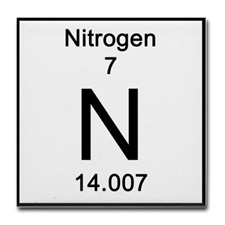
The mass number of an atom =
protons + neutrons
protons - neutrons
electrons - neutrons
neutrons + electrons
What part of a neutral object is affected by a charged object?
the nucleus
the electrons
the protons only
the neutrons only


