
 Worksheets
Economic Systems
Total questions: 15
Worksheet time: 8mins

Karl Marx's book describing command economics.
"The Wealth of Nations"
"The Communist Manifesto"

Which pair of economic systems best completes this diagram?
Mixed - Traditional
Command - Traditional
Mixed - Free Market
Free Market - Command

This list describes what type of economic system?
Command
Mixed
Free market
Barter
Who has the most influence in a free market economic system?
Consumers
Producers
Suppliers
Lawyers

Which phrase best completes the title of this diagram?
Government Regulation
Industrial Productivity
Business Profit
Consumer Choice

Which type of economy is being defined?
Command
Free market
Mixed
Traditional

Who is the creator of free-market economics?
Adam Smith
Karl Marx
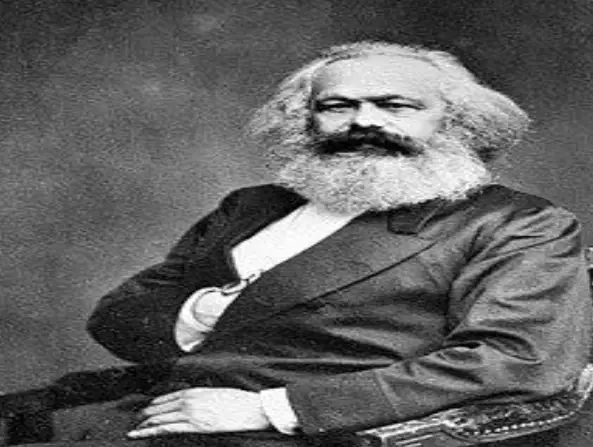
Who is the creator of command economics?
Adam Smith
Karl Marx
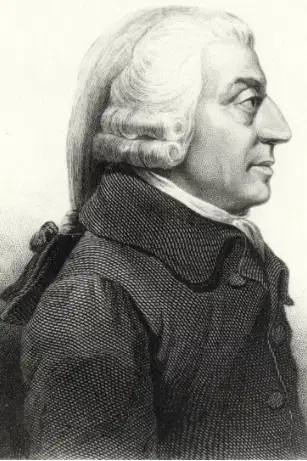
Adam Smith's book describing free-market economics.
"The Communist Manifesto"
"The Wealth of Nations"
A business that exists with no competition is called a ______.
monopoly.
corporation.
proprietorship.
partnership.
This economic system is blend of free-market and command economies.
Mixed Economy
Command Economy
Traditional Economy
Free-Market Economy
True or False: Competition between businesses lowers prices.
True
False
Which phrase best describes the concept of "consumer sovereignty?"
"The customer is always right."
"The government is always right."
"The customer is sometimes right and the government is sometimes right."

Which economic concept is illustrated in these drawings?
Consumer sovereignty
Profit margin
Opportunity cost
Central planning
True or False: Competition prevents monopolies from forming.
True
False

