
 Worksheets
Evolution
Total questions: 44
Worksheet time: 4hrs 40mins

Scientist find dinosaur fossils in the bottom of a cliff and mammals fossils in the middle layer, what can be inferred?
dinosaurs ate plants
dinosaurs were eaten by the mammals
they lived at the same time
dinosaurs lived before the mammals

What would indicate that a SERIES of fossils represent evolution?
the fossils were identical
the fossils were found in the same layers of rock
the fossils show similarities
the fossils were completely different

Embryology is the study of?
the age of organisms
the oldest stage of development of an organism
the life span of an organism
the earliest growth stage of development of an organism

Change over time is
evolution
generation
growth
biogenesis

What animal is Darwin known for studying?
dinosaurs
tunicates
finches
horses

Which of the following is NOT an example of natural selection?
People selectively breeding hamsters.
Insect populations developing resistance to certain pesticides.
Bacteria becoming resistant to antibiotics.
Male birds of certain species developing colorful feathers to attract female mates.

What characteristic did Darwin observe about the finches on the Galapagos Islands?
Their feathers
Genotypes
Their beaks
Their body sizes

Which term refers to the process by which individuals that are better suited to the environment survive and reproduce therefore passing down their genes to their offspring?
Evolution
Variation
Adaptation
Natural Selection


When an organism completely dies out, it is called.....
Adaption
Extinction
Fossilization
Mutation

The separation of a group of individuals from the rest of the population is referred to as
genetic drift
natural selection
isolation
survival of the fittest

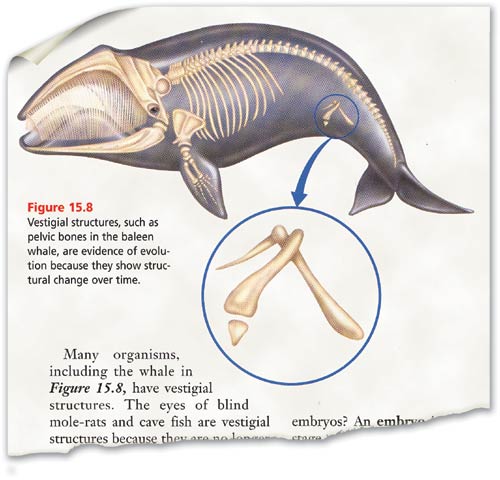
The scientific theory of evolution is supported by different types of evidence. How does comparing the skeletons of two different animal species provide support for the scientific theory of evolution?
It provides information about the organisms' habitats.
Potential homologous structures show possible common ancestry between organisms.
It provides information to determine the organisms' ages.
It shows potential chromosomal similarities between organisms.


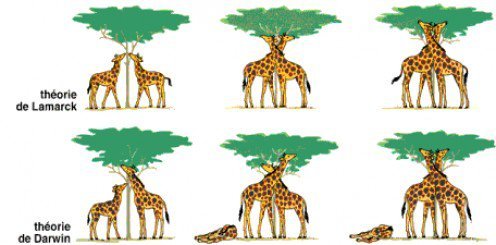
Natural selection is best described as
a change in an organism in response to a need of that organism
a process of nearly constant improvement that leads to an organism that is nearly perfect
differences in survival rates as a result of different inherited characteristics
inheritance of characteristics acquired during the life of an organism

Which occurrence represents an example of evolution?
Exposure to radiation reduces the rate of mutation in leaf cells.
A mutation in a liver cell causes a person to produce an enzyme that is less efficient.
Cells in a zygote eventually change into bone cells or skin cells
Some antibiotics are almost useless, because pathogens have developed a resistance to these antibiotics.

When organisms are better adapted to their environment they will survive and reproduce more successfully than organisms less adapted. This process is called what?
Selective breeding
Natural Selection
Cloning
Evolution of all species

Scientists have collected millions of fossils of different organisms, and have developed a timeline of life on Earth. What do we call this?
Mutation
Natural Selection
The theory of evolution
Fossil Record

Sometimes bones in the front limbs of animals are very similar in structure. What do we call similar bone structures that indicate a link to a common ancestor?
Adaptations
Gradualism
Homologous Structures
Extinction

A physical or behavioral trait that helps an organism survive and reproduce in its environment is called ?
An adaptation
A response to a stimulus
A mutation
Evolution

When looking at two birds of the same species, you notice that one has darker feathers than the other one. You also notice that one has a beak that is just a little longer. These slight differences within members of the same species are called.....
Fossils
Extinction
Meiosis
Variations

What do we call a change in a species over time?
Adaptation
Evolution
Extinction
Environmental influences


Mutations are important because they bring about
death of the organism in which they develop
genetic variation needed for a population to evolve
benefits for the individual, not for the population
Harvey-Weinberg equilibrium within a population



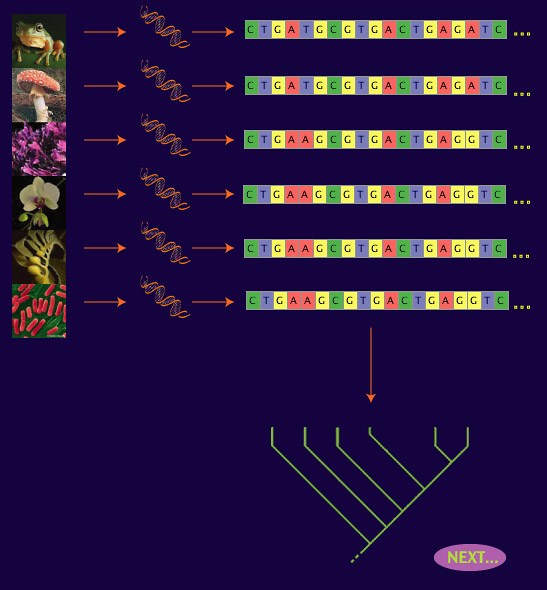
If species A and B have very similar genes and proteins, what is probably TRUE?
species A and B share a relatively recent common ancestor
species A evolved independently of species B for a long period
species A is younger than species B
species A is older than species B

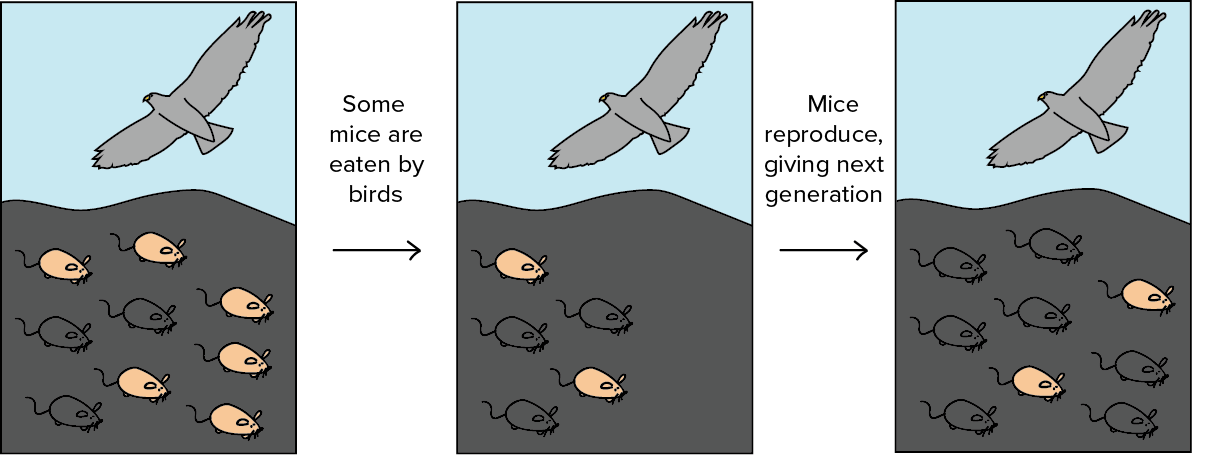
Why are advantageous traits more likely to be passed onto offspring?
Because the organisms with those traits are more likely to survive and reproduce.
Because they come from dominant alleles.
Because they come from recessive alleles.
Because the trait is an acquired phenotype.


Who was the Scientist most famous for his study of natural selection and evolution?
Theodor Schwann
Robert Hooke
Charles Darwin
Rudolf Virchow

Which of the following is not a step of natural selection?
overproduction
cooperation
variation
selection

Select ALL that show evidence of evolution.
DNA
mutations
fossils
skeletal structures

The struggle for survival against other members of the same species is
competition
natural selection
gene flow
genetic drift

A well-tested concept that explains a wide range of observations is called a(an):
hypothesis
experiment
cause and effect
scientific theory
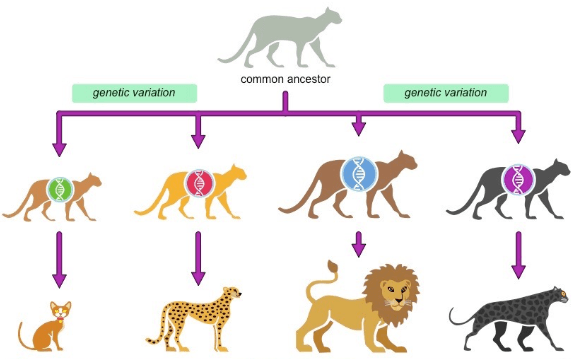
The process by which two populations of the same species become so different that they can no longer interbreed.
natural selection
artificial selection
speciation
fossilization

A change that occurs in the DNA sequence is called a(n) ______________________.
extinction
speciation
mutation
competition
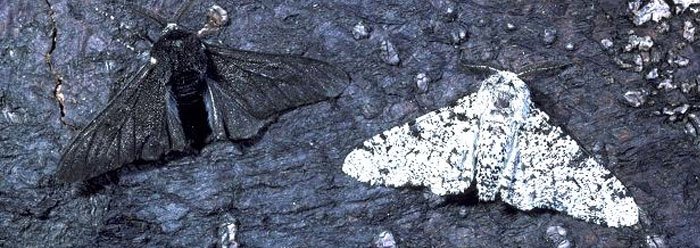

Which best describes mutations?
Always helpful
Always harmful
Can be helpful, harmful or neutral
Always neutral
Which of these best represents a time period in which most organisms could evolve?
5 days
100 years
10,000 years
2 decades

