
 Worksheets
Science Review
Total questions: 41
Worksheet time: 1hrs 15mins

what is thermal energy?
cool
moving parts
heat
Which statement best defines Mechanical Energy?
Energy produced by a machine or moving part.
Energy that is produced by an electrical current in a circuit.
Energy from the sun.
Energy that travels in waves due to vibrations.

What source of energy does this use?


What is the function of a battery?
produce sound
supplying electricity
produce light
produces steam
Which of the following actions does not require mechanical energy to function?
Sharpen a pencil.
Riding a bike.
Rotating a motor.
Melting ice.
Do circuits have to be closed to work?
(a)

This is an example of a
power source
light
switch
pathway

Is this an open or closed circuit?
Open Circuit
Closed Circuit

Is this an open or closed circuit?
Open Circuit
Closed Circuit
This does not allow energy to flow.
insulator
conductor
This allows energy to flow.
conductor
insulator
Which is NOT an insulator


A material that lets electric current pass through it.
insulators
conductors
circuits
Which materials make a good conductor?
woods
plastics
clothes
most metals
What are some examples of insulators?
silver, iron, cooper
metal spoon, penny, aluminum
rubber, glass, wood
gold, wire, nails
Which statement best defines Mechanical Energy?
Energy produced by a machine or moving part.
Energy that is produced by an electrical current in a circuit.
Energy from the sun.
Energy that travels in waves due to vibrations.


All these objects are ______________________.
sink
float
heavier
less
Anything that takes up space and has mass is
Matter
Volume
Liquid
Atom
A solid
has particles that are far apart
has a size and shape of its own
takes the shape of its container

Which front is this?
Warm front
Cold front
Which of these are parts of the Water Cycle
Evaporation
Condensation
Percipiation
Collection
Does water ever leave the water cycle?
NO!
Yes
Weathering is the process of -
Moving sediment from one place to another
Dropping or leaving sediment in a location
Breaking down rocks into sediment
What is erosion?
The movement of sediment
The breaking of sediment
The dropping of sediment
Water carrying sediment down a hill is an example of...
weathering
erosion
deposition
Which of these is an example of erosion?
Light shinning onto a mountain
Rain breaking down rock
Wind blowing away sediment
All of the above

a renewable resource is ....
a resource that forms much more slowly than it is consumed
a natural resource that can be replaced at the same rate at which it is consumed
any natural material that is used by humans
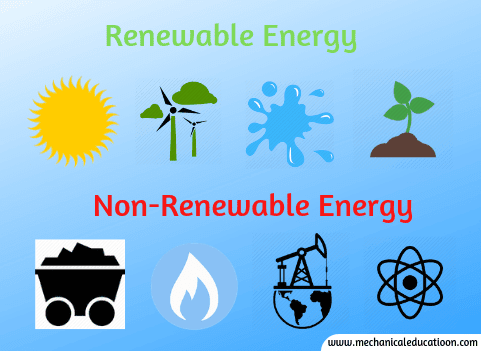
a nonrenewable resources is...
any natural material that is used by humans
a natural resource that can be replaced at the same rate at which it is consumed
a resource that forms much more slowly than it is consumed

¿Qué es un ejemplo de recurso renovable?
hidroelectrico
petroleo
carbon
combustible fosiles
¿Qué es un recurso renovable?
Un recurso que puedes seguir usando
un recurso que no puede usar de nuevo
combustibles fosiles
petroleo

