
 Worksheets
Test- Industrial Revolution and Imperialism
Total questions: 39
Worksheet time: 10hrs 45mins
What was the effect of the enclosure movement and the factory system?
Urbanization
Monitization
Capitalization
Aliens.
Why did the Industrial Revolution begin in Great Britain?
Mercantilism
Abundant natural resources
The free market economy
A small population
What were Tenements?
The tenth Doctor in "Doctor Who"
Tents used by the poor in the Industrial Revolution
Another term for factory owners
Cramped, overcrowded housing for Factory workers
How did the Industrial Revolution change the economy in Europe and the United States?
It fell to communism
Mercantilism remained strong
Production moved from the countryside to factories
Less goods were produced leading to inflation
What are identical pieces that can be used in place of each other which made the assembly possible?
Interchangeable parts
Factories
Dynamos
Assembly Lines
The spinning jenny, locomotive, and steam boat are all
Modes of transportation in the Industrial Revolution
New technologies in the Industrial Revolution
Nicknames of people in the Industrial Revolution
Engines in the Industrial Revolution
The Wright Brothers invented the __________.
Light bulb
Airplane
Telephone
Telegraph
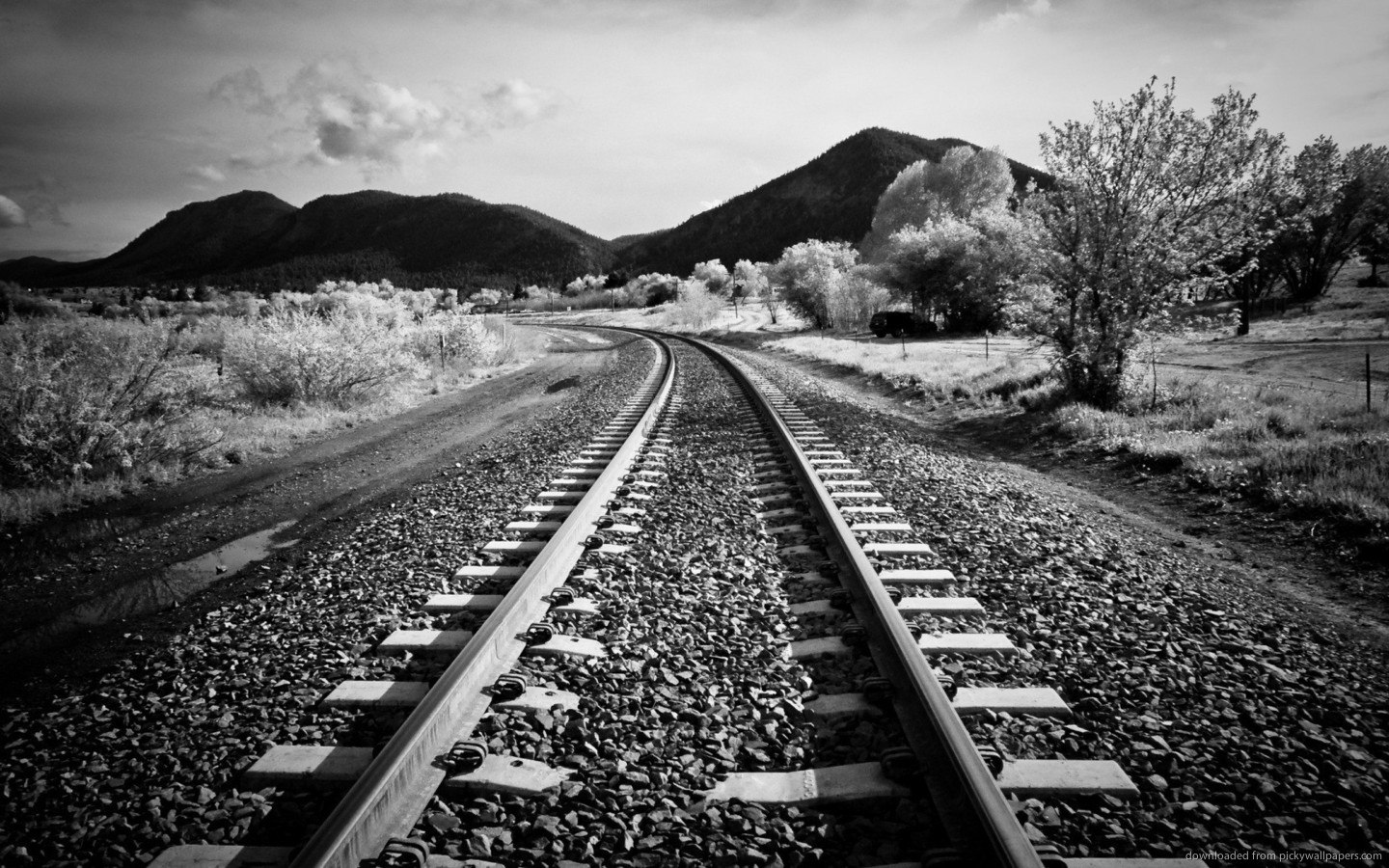
Why were railroads so important during this time?
They moved goods more quickly and less expensively over greater distances.
They were fun to ride on to go visit family in other states.
People could ride on railroads to get to their jobs in another city.
Ocean travel was made possible.

How did Alexander Graham Bell revolutionize communications?
He invented the telephone.
He invented the hearing aid.
He invented the grain mill.
He invented the television.
Why did cities have high crime & factories have poor working conditions during the Industrial Revolution?
More people were moving to the rural area and government was regulating working and living conditions.
Over population and government was not regulating working and living conditions.
Over population and government was regulating working and living conditions.
More people were moving to the rural area and government was not regulating working and living conditions.
Which was not true of working conditions in the industrial revolution?
One could be fired if they got hurt
12-14 hour workdays were common
Healthcare was not provided by factories
Employees spent more time with their families
What were labor unions?
People who worked together for better working conditions
People who unified their labor to produce more
A band founded in the Industrial Revolution
Violent terrorist factions fighting for capitalism
What was the Berlin Conference of 1884-85 and its outcome?
African nations had representation at the conference.
Empires agreed to treat the people of Africa as equals.
Europeans set up boundaries in Africa without consulting Africans.
China was divided up by the Europeans and given to Africa nations.
What colony was called the "Jewel in the Crown" of Great Britain during the Age of Imperialism?
Australia
China
India
Zimbabwe
Which of the following best describes the assembly line manufacturing process?
Each product is fully manufactured one at a time
Products are made one step at a time as they pass down a line
Products are manufactured by robots
Products are made by people who stand in a line


Americans who were anti-immigration due to the fear of losing jobs to immigrants were called-
Bootlegger
Monopolies
Communists
Nativists
During the Industrial Revolution, the expansion of ___________________ led to corruption in government, but also improvements in basic services and urban infrastructure.
Infrastructure
Nativists
Monopolies
Political Machines
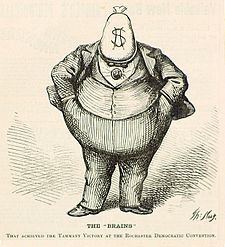
One of the most influential political machines was -
Upton Sinclair and the FDA
Samuel Gompers and the American Federation of Labor
W.E.B. DuBois and the NAACP
Boss Tweed and Tammany Hall
Strike can be defined as.......
refusal of workers to work as a protest
non payment of salaries and wages
Ellis and Angel Island were both
locations of settlement houses
immigration processing centers
centers of shipping and industry
amusement parks
Skyscrapers were built to resolve the issue of
Plumbing and water purification systems
Traffic and transportation
Sanitation and trash pile up
Overcrowded populations that ran out of building space


Most immigrants traveled in ______________ on the way to the United States.
first class
second class
third class
fourth class
Which country was the only African country to remain independent during the Scramble for Africa?
Ethiopia
Egypt
Eritrea
Suez
To say that foreign countries seized “spheres of influence” in China means that they...
had secret agreements with the Chinese government.
created a new territorial government to prevent the U.S. from entering the trade market.
gained control of trade and resources in specific areas of China.
established a circular discussion forum.

The belief that it was up to Europeans to civilize lesser cultures
Imperialism
Manifest Destiny
White Man's Burden
Ethnocentrism

Based on this poster, which is an accurate statement?
Immigrants were encouraged to learn and to speak English
Granite City had laws prohibiting immigrants from moving there
The people in the poster were native-born Americans
Granite City encourged diversity in its immigrant population
Local Rulers are allowed to keep their authority and status in a new colonial setting.
Imperialism
Colony
Protectorate
Sphere of Influence

Another word for farming
Agriculture
Manufacturing
Technology
Invention
What can you infer from the fact that half the world's countries are democracies?
Half the world can vote in US elections.
Half the world's people have a say in their government.
Which of the following was NOT associated with early factory working conditions?
Low wages
Dangerous working conditions
Safe working conditions
Widespread pollution
Why did some children work in the early 1900s?
They enjoyed working in factories
They needed to earn money to help their families
They had nothing else to do
School was out

