
NEW
Font size
 Worksheets
SB1.d Cell Transport Quiz
Total questions: 15
Worksheet time: 1hrs 15mins
Which process involves the movement of water into and out of the cells?
Endocytosis
Active transport
osmosis
phagocytosis

A
B
C
D

The red blood cells will lose water and decrease in size
The red blood cells will absorb water and increase in size
The red blood cells will first absorb water, then lose water
The red blood cells will first lose water, then absorb water
Kylon places some cells from an onion skin on a microscope slide. He uses a freshwater solution to make the slide. When he looks at the cells under the microscope for a long time, what is he most likely to see?
the cells have dissolved
the cells have shrunk within the cell walls
the cells have not been affected
the cells have swollen, expanding the cell walls

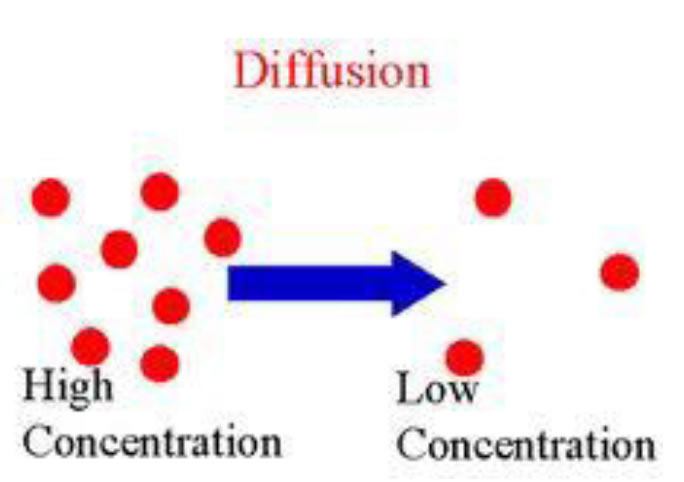
The movement of particles from an area of high concentration to an area of low concentration
active transport
osmosis
diffusion
random movement


The concentration of CO2 will remain the same inside the cell
The concentration of O2 will remain the same outside the cell
The concentration of CO2 will decrease outside the cell
The concentration of O2 will increase inside the cell
Why does active transport require energy to move molecules of a substance across a cell membrane?
Lack of the substance makes the cell weak.
The substance moves from low to high concentration, against the concentration gradient.
The cell membrane is very thisk.
The substance moves from high to low concentration, with the concentration gradient.

A
B
C
D
What will most likely happen if a cell is placed into an isotonic solution?
Water will not move into or out of the cell
water will move into and out of the cell at an equal rate
water will mainly move out of the cell, causing it to shrink
water will mainly move into the cell, causing it to swell
An animal cell surrounded by fresh water will burst. Why does this happen?
osmosis causes water to move into the cell
osmosis causes solute particles to move out of the cell
osmosis causes water to move out of the cell
osmosis causes solute particles to move into the cell


The lower concentration of sugar, the less likely the potato will gain mass
the lower the concentration of sugar, the more likely the potato will gain mass
the higher the concentration of sugar, the less likely the potato will gain mass
the higher the concentration of sugar, the more likely the potato will gain mass

