wayground logo

Free Printable Worksheets

Font size

S
M
L
XL
Worksheets

MEAT AND OFFAL

Total questions: 38

Worksheet time: 20mins

Name
Class
Date
1.

Which of the cooking methods below are "dry methods"

a)

Grilling

b)

Braising

c)

Barbecue

d)

Deep fry

e)

Roast

2.

Which of the cooking methods below are "Wet methods"

a)

Steam

b)

Sous Vide

c)

Fry

d)

Braise

e)

Stew

3.

At what temperature should meat be cooked to?

a)

75

b)

60

c)

65

d)

72 1/2

4.
When should you wash your hands when preparing food?
a)
After handling raw meats
b)
After handling raw eggs
c)
Before preparing salad
d)
All of the above
5.
What is cross-contamination?
a)
How bacteria spread when raw meat is ground.
b)
Foods eaten raw coming into contact with raw food that must be cooked.
c)
Placing salad ingredients near main dish ingredients.
d)
Pantry foods invaded by pests
6.
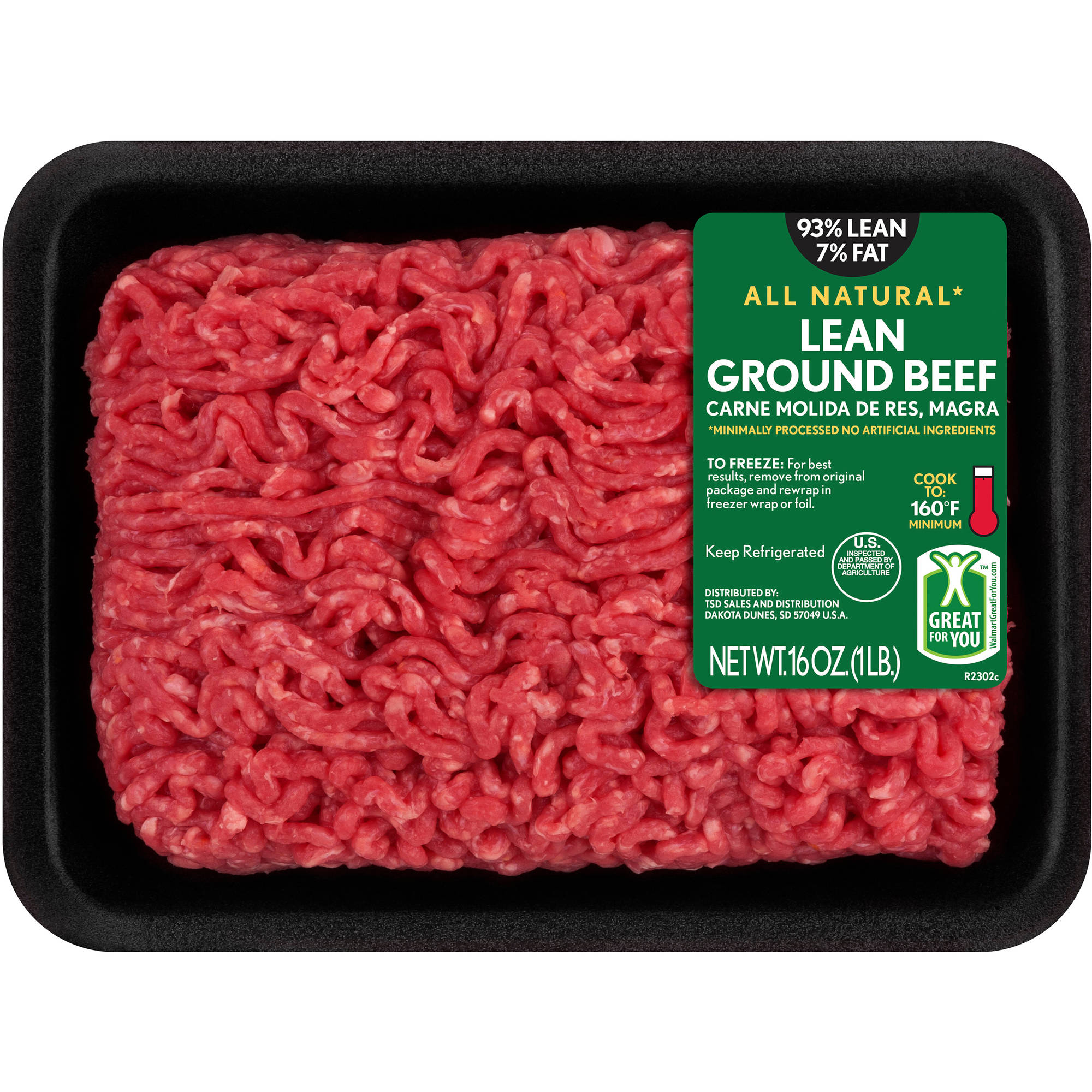
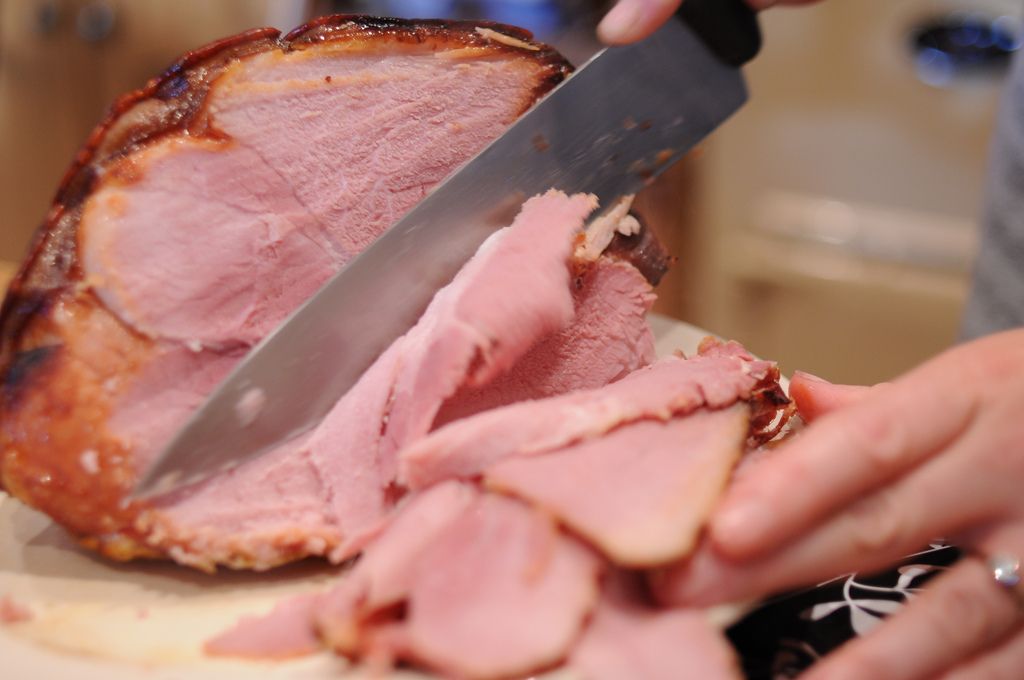
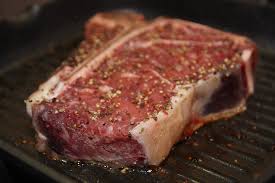
What kind of meat is this?
a)
Steak
b)
Ground Beef
c)
Roast Beef
d)
Beef Ribs
7.

Which of the following are types of offal

a)

Heart

b)

Kidney

c)

Rump

d)

Liver

e)

Flank

8.

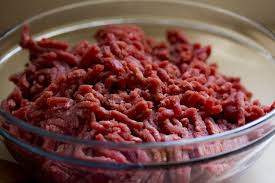
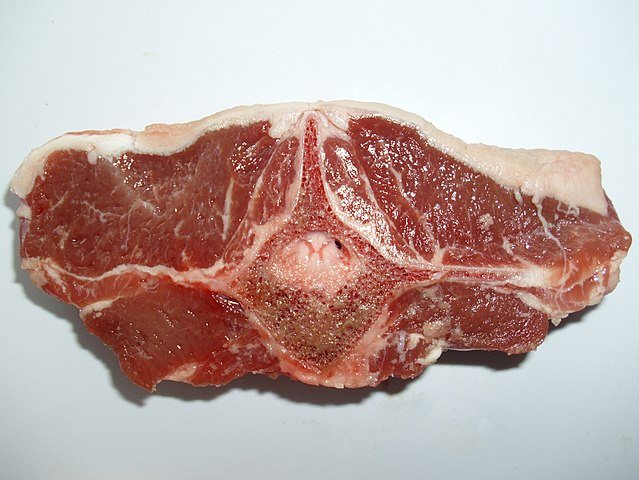
Mincemeat

a)
b)
c)
d)
e)
9.

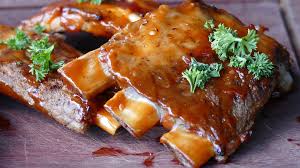
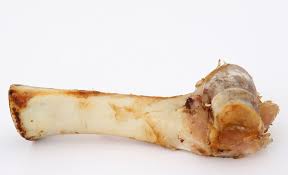
Ribs

a)
b)
c)
d)
e)
10.

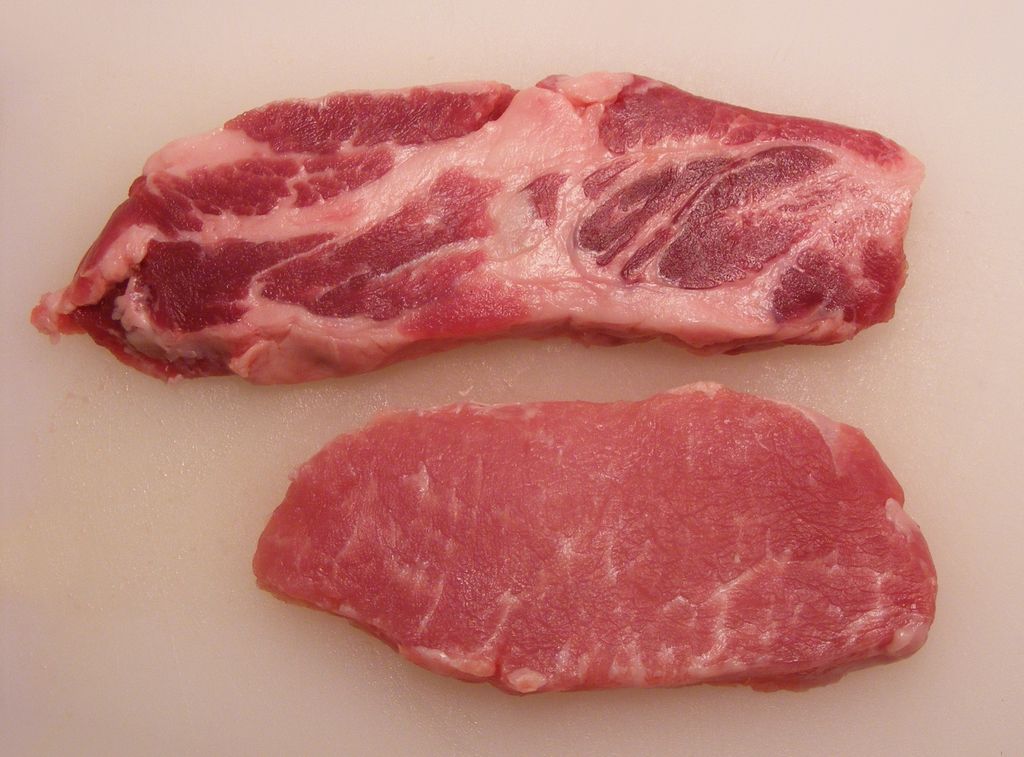
Marinated

a)
b)
c)
d)
e)
11.

Which of the following is a form of meat has not undergone chilling?

a)

Chilled

b)

Cured

c)

Fresh

d)

Frozen

12.

Why do we need to determine meat cuts?

a)

To understand where in the animal a certain piece of meat comes from.

b)

To identify suitable cuts of meat for various cooking methods

c)

To easily identify what cuts of meat is needed.

d)

To buy meat sold by those who observe good sanitation and hygiene.
13.

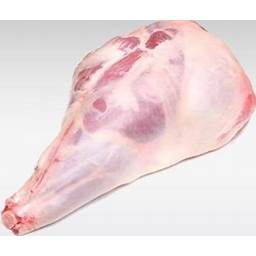
What is the best way to cook a leg of Lamb?

a)

Grill

b)

Roast

c)

Stew

d)

Boil

14.

What temperature do you store meat and poultry?

a)

1-4 degrees C

b)

5-9 ?degrees C

c)

-5- 0 degrees C

d)

10-15 degrees C

15.

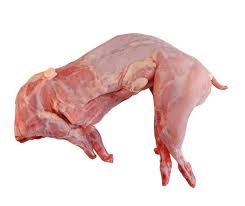
It's the name of meat from a sheep.

a)

veal

b)

beef

c)

pork

d)

lamb

16.

It's the name of meat from a calf - a very young cow.

a)

lamb

b)

veal

c)

beef

d)

pork

17.
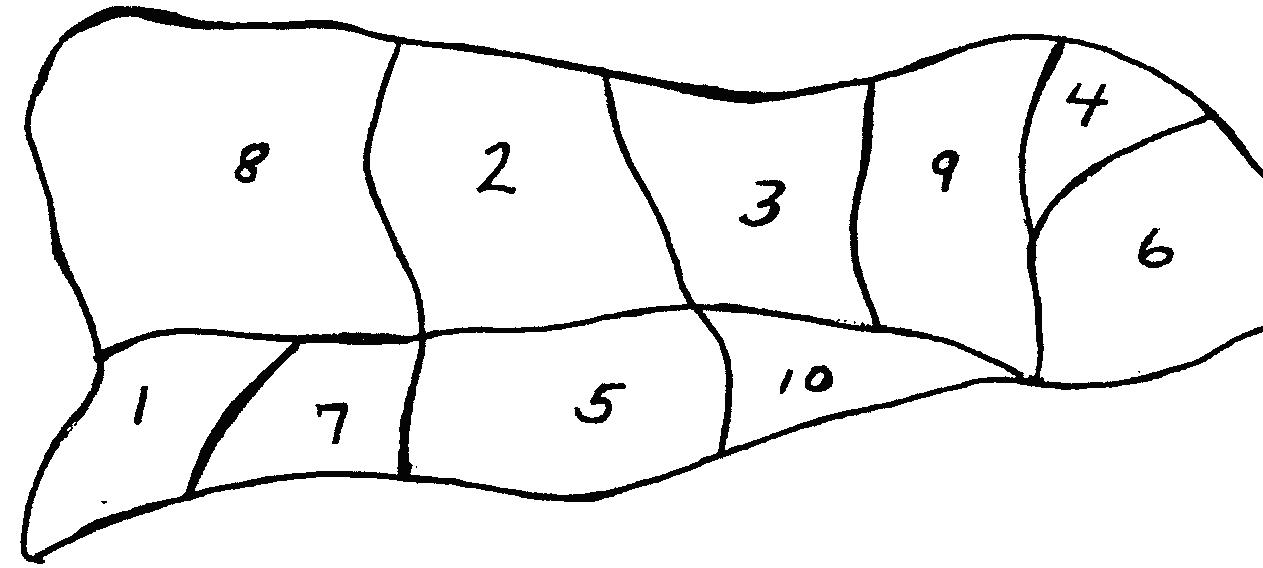
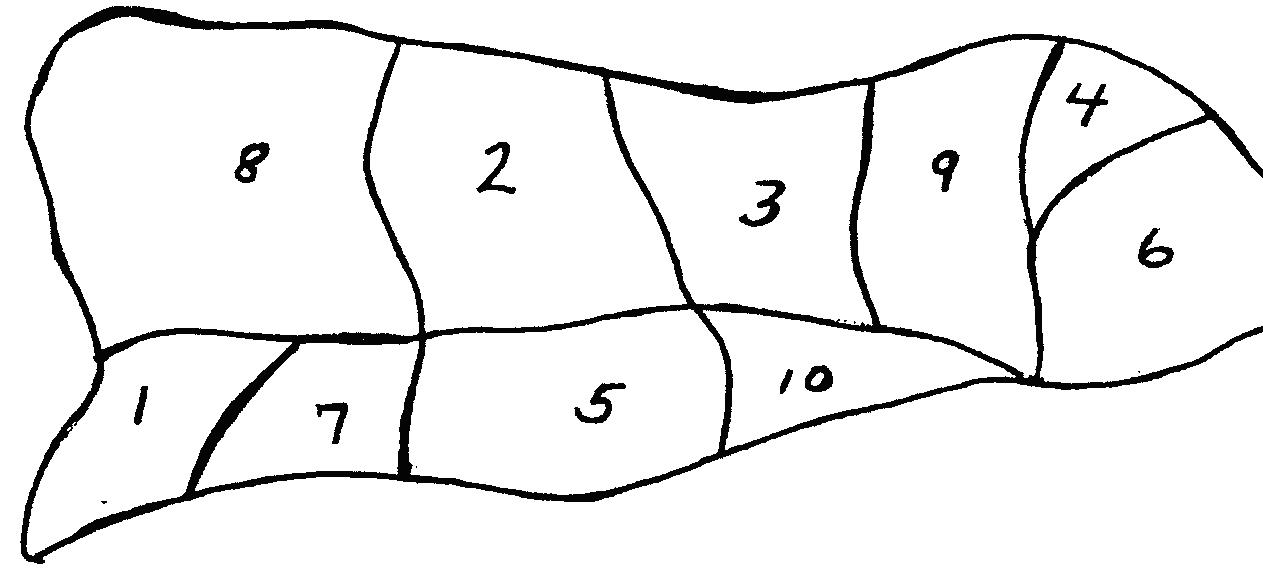
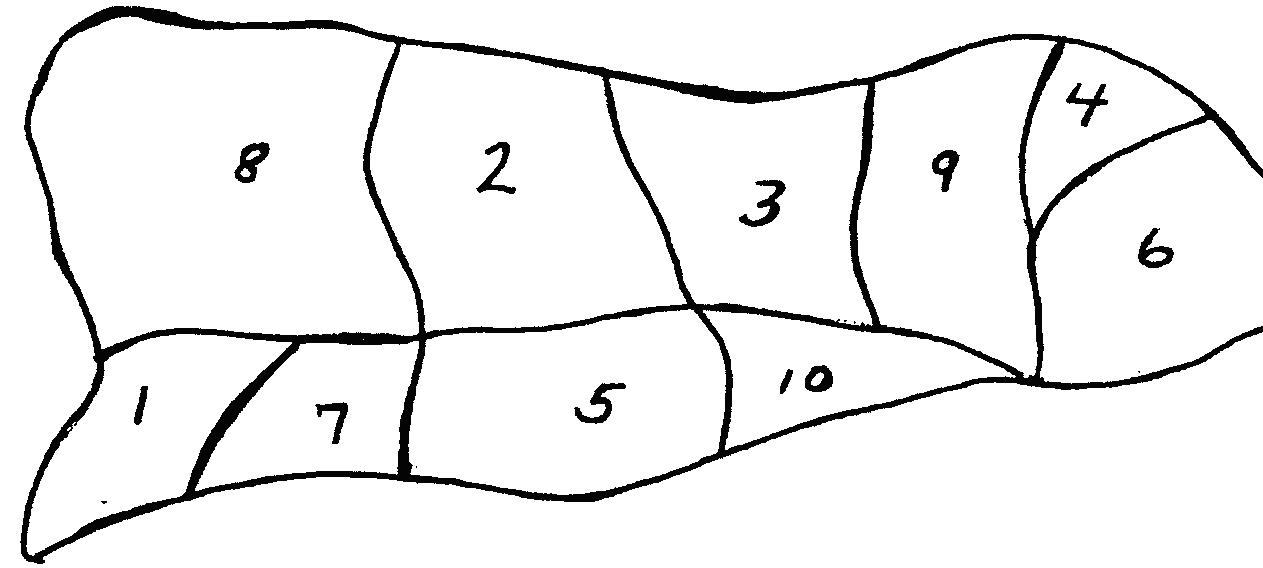
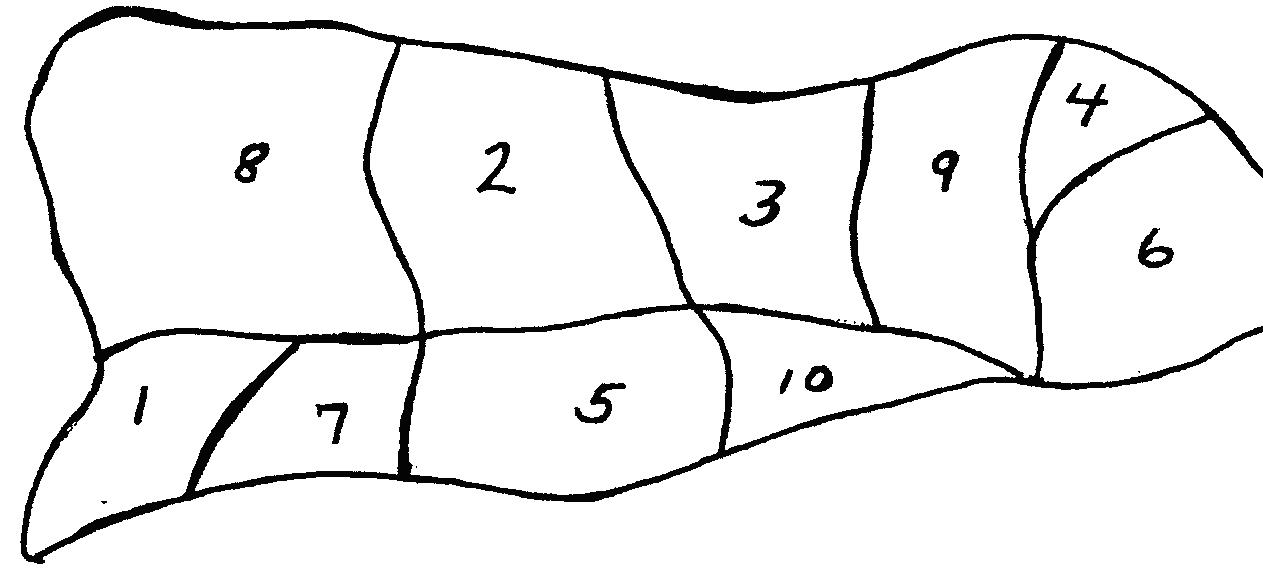
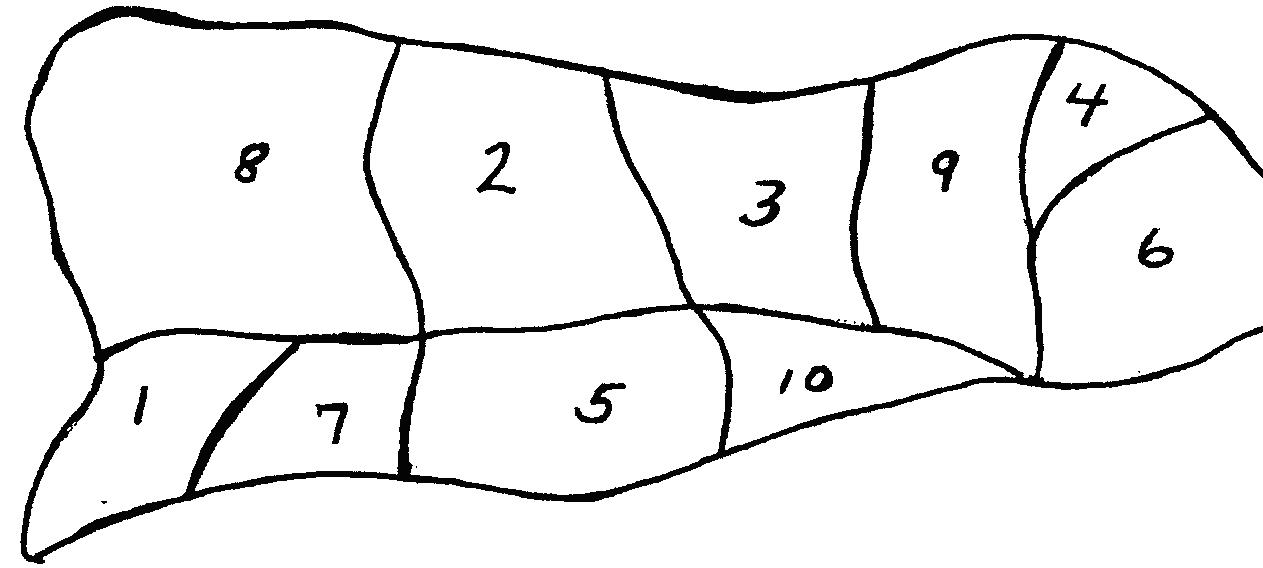
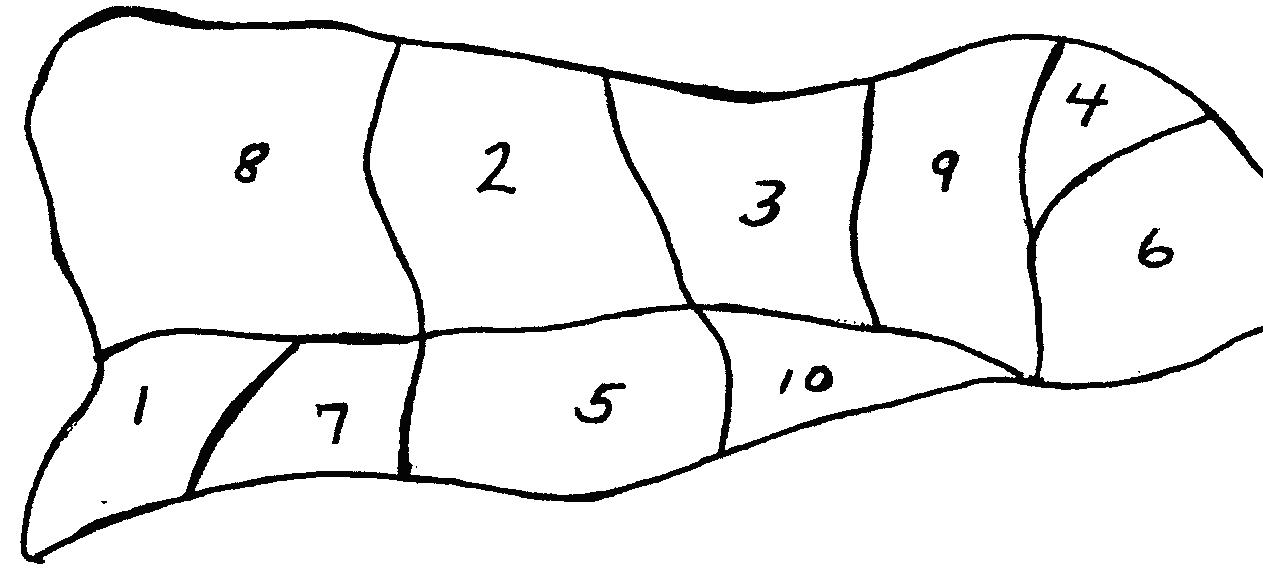
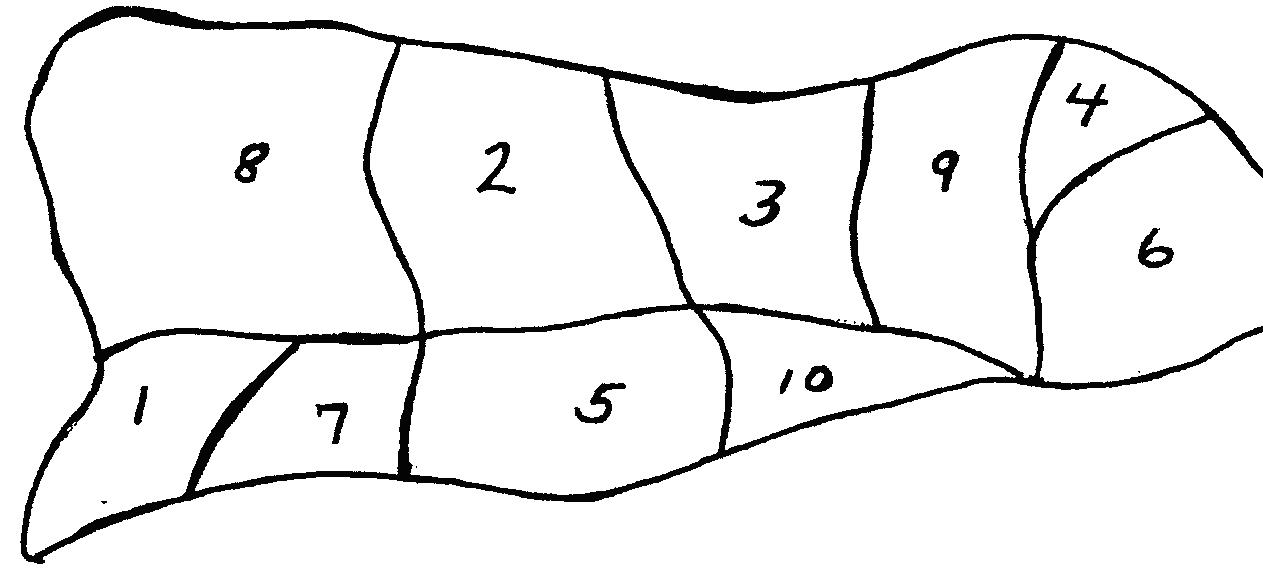
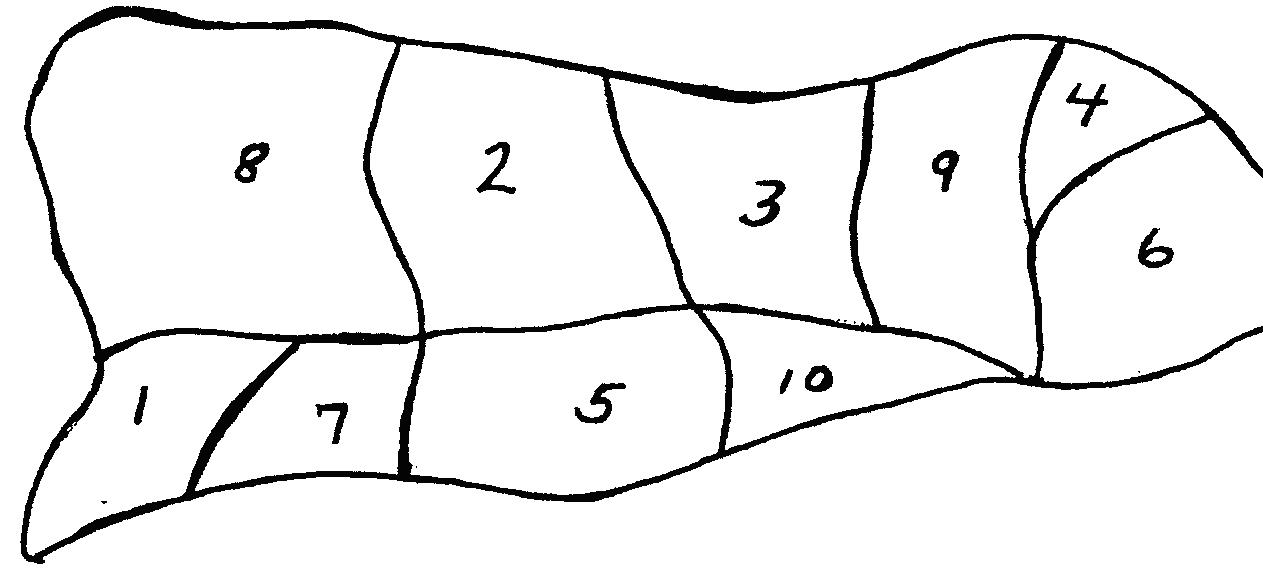
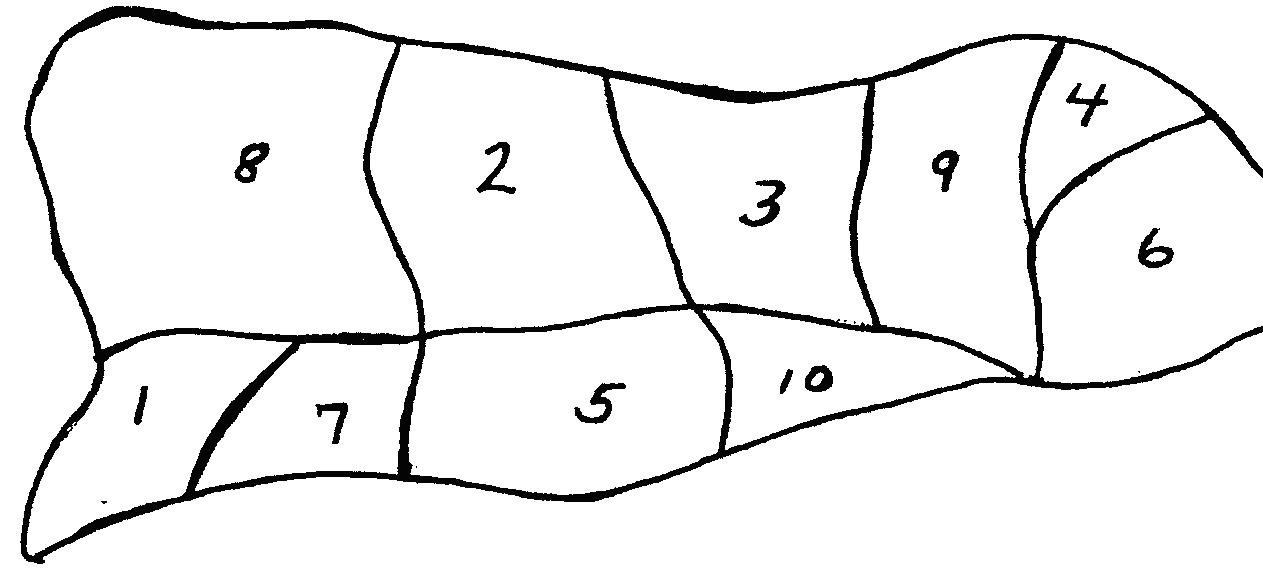
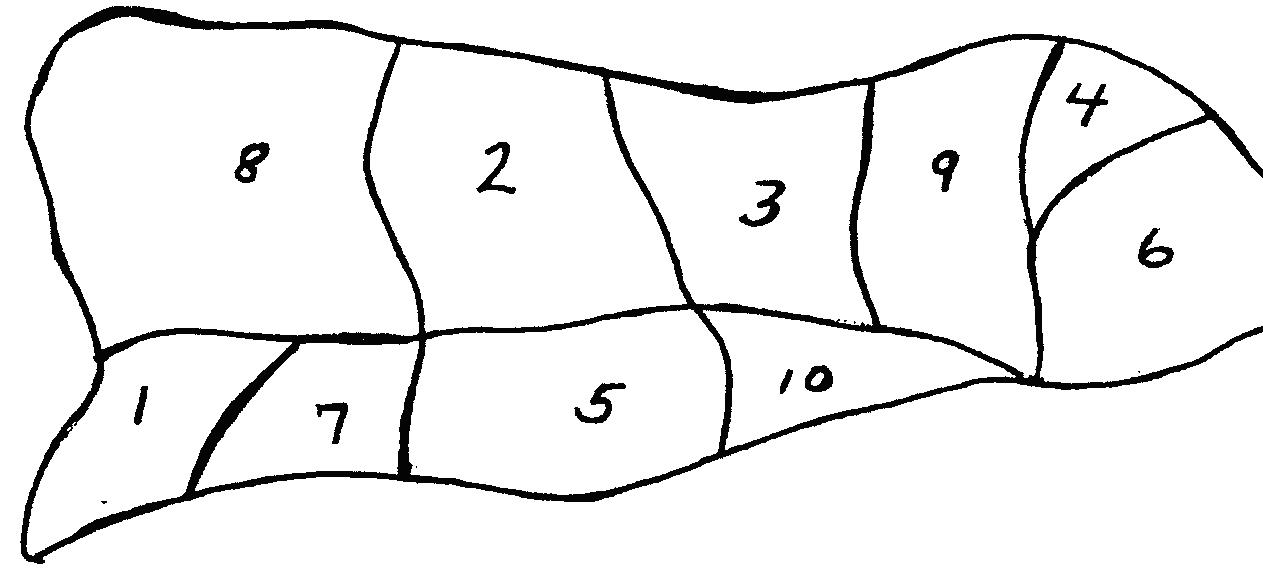
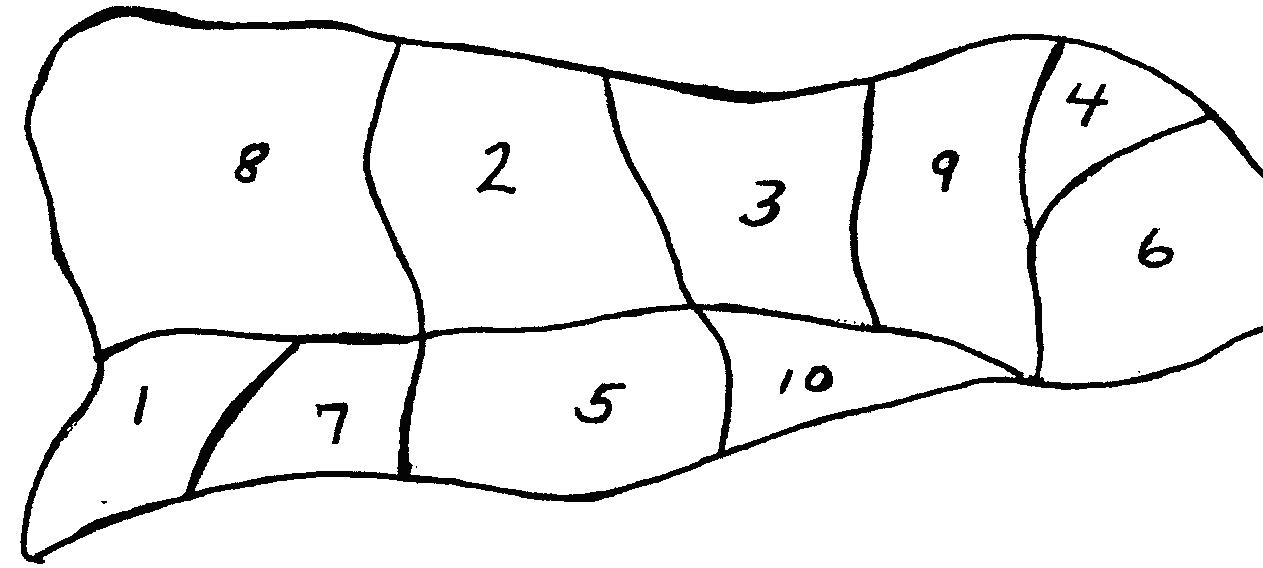
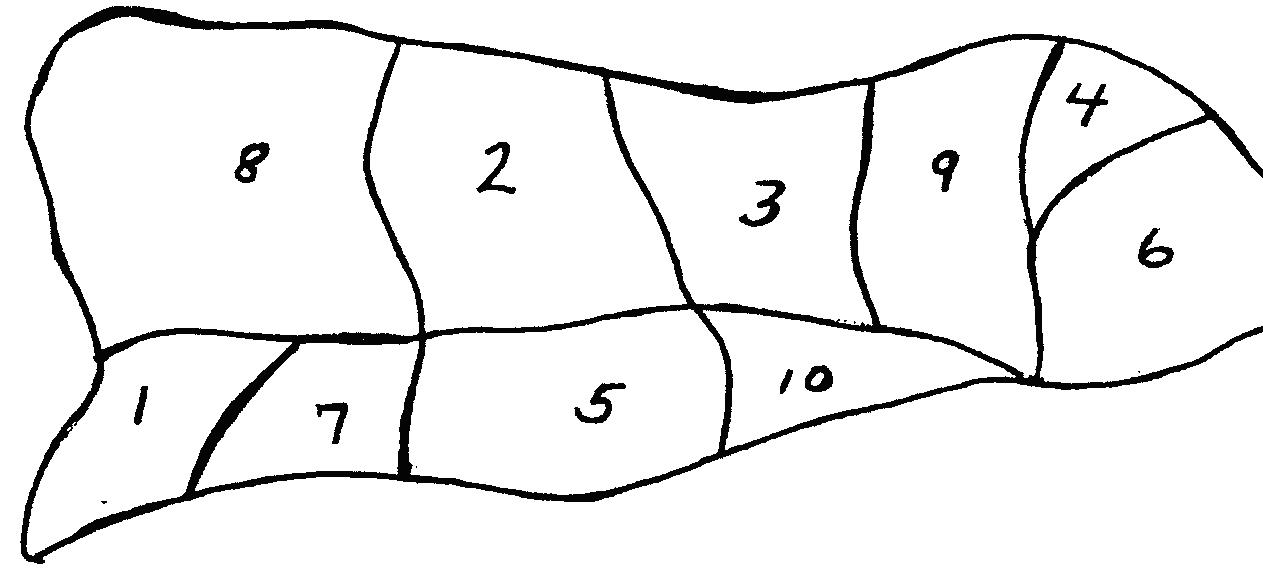
Section 1 represents which wholesale cut?
a)
Chuck of shoulder
b)
Rib
c)
Foreshank
d)
Round
18.
Section 2 represents which wholesale cut?
a)
Short loin
b)
Rib
c)
Flank
d)
Foreshank
19.
Which of the following is a retail cut from section 3?
a)
t-bone
b)
Flat Iron Steak
c)
short ribs
d)
top round steak
20.
Section 4 represents which cut of beef?
a)
Rib
b)
Rump
c)
Round
d)
Chuck
21.
The best cooking method for section 5 is
a)
Dry heat
b)
Moist heat
22.
Section 6 represents which wholesale cut of beef?
a)
Round
b)
Rib
c)
Rump
d)
Foreshank
23.
Section 8 represents which wholesale cut of meat?
a)
Chuck
b)
Rump
c)
Shortloin
d)
Flank
24.
Section 9 represents which wholesale cut of beef?
a)
Rib
b)
Short Loin
c)
Sirloin
d)
Round
25.
Which of the following is a retail cut of meat from section 10?
a)
T-bone
b)
Sirloin Steak
c)
Flat bone sirloin steak
d)
Flank steak
26.
Section 3 represents which wholesale cut of beef?
a)
Short loin
b)
Rib
c)
Sirloin
d)
Round
27.
Section 5 represents which wholesale cut of beef?
a)
Short Plate
b)
Flank
c)
Rib
d)
Foreshank
28.
Section 7 represent which wholesale cut of beef?
a)
Rib
b)
Sirloin
c)
Chuck
d)
Brisket
29.

When muscle tissue temporarily becomes extremely hard and stiff.

a)

aging

b)

shrinkage

c)

rigor mortis

d)

render

30.

A flexible but tough connective tissue found in ligaments and tendons, also called silver skin.

a)

Collagen

b)

Connective tissue

c)

Elastin

d)

Shrinkage

31.

The internal organs and extremities that are removed before an animal or bird is butchered, also called variety meats.

a)

Connective tissue

b)

Giblets

c)

Render

d)

Offal

32.

Resting time for meat and after slaughter.

a)

Aging

b)

Marbling

c)

Render

d)

Rigor mortis

33.

An assurance of safety and wholesomeness, not an indication of quality.

a)

Inspection

b)

Marbling

c)

Quality grade

d)

Yield grade

34.

An evaluation of traits related to tenderness, juiciness, and flavor.

a)

Inspection

b)

Quality grade

c)

Yield grade

d)

Render

35.

A major division of the carcass.

a)

Marbling

b)

Offal

c)

Primal cut

d)

Shinkage

36.

The most prevalent connective tissue in meats.

a)

Collagen

b)

Connective tissue

c)

Elastin

d)

Marbling

37.

Intramuscular fat

a)

Collagen

b)

Connective Tissue

c)

Elastin

d)

Marbling

38.

Protein that bundles muscle tissue together and connects muscle to bones, joints, and skin.

a)

Collagen

b)

Connective Tissue

c)

Elastin

d)

Marbling