
 Worksheets
Chapter 2 Biodiversity
Total questions: 20
Worksheet time: 12mins
What is an endemic species?
Species that can be found anywhere
Animals that became endangered
Organisms that can only be found in restricted habitat
Plants that can undergo photosynthesis
Choose the animal that is a vertebrate.
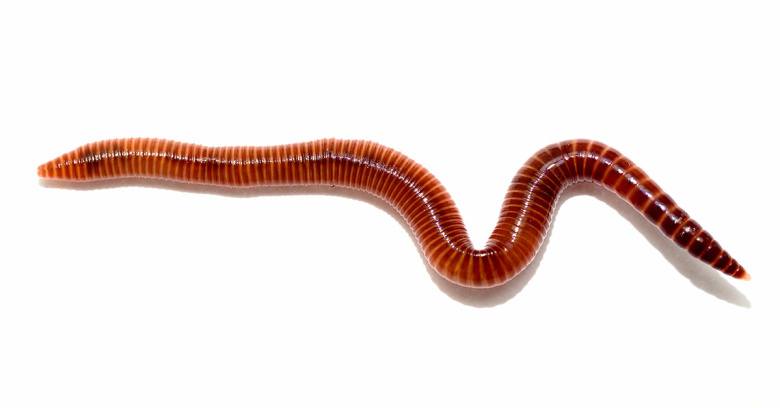
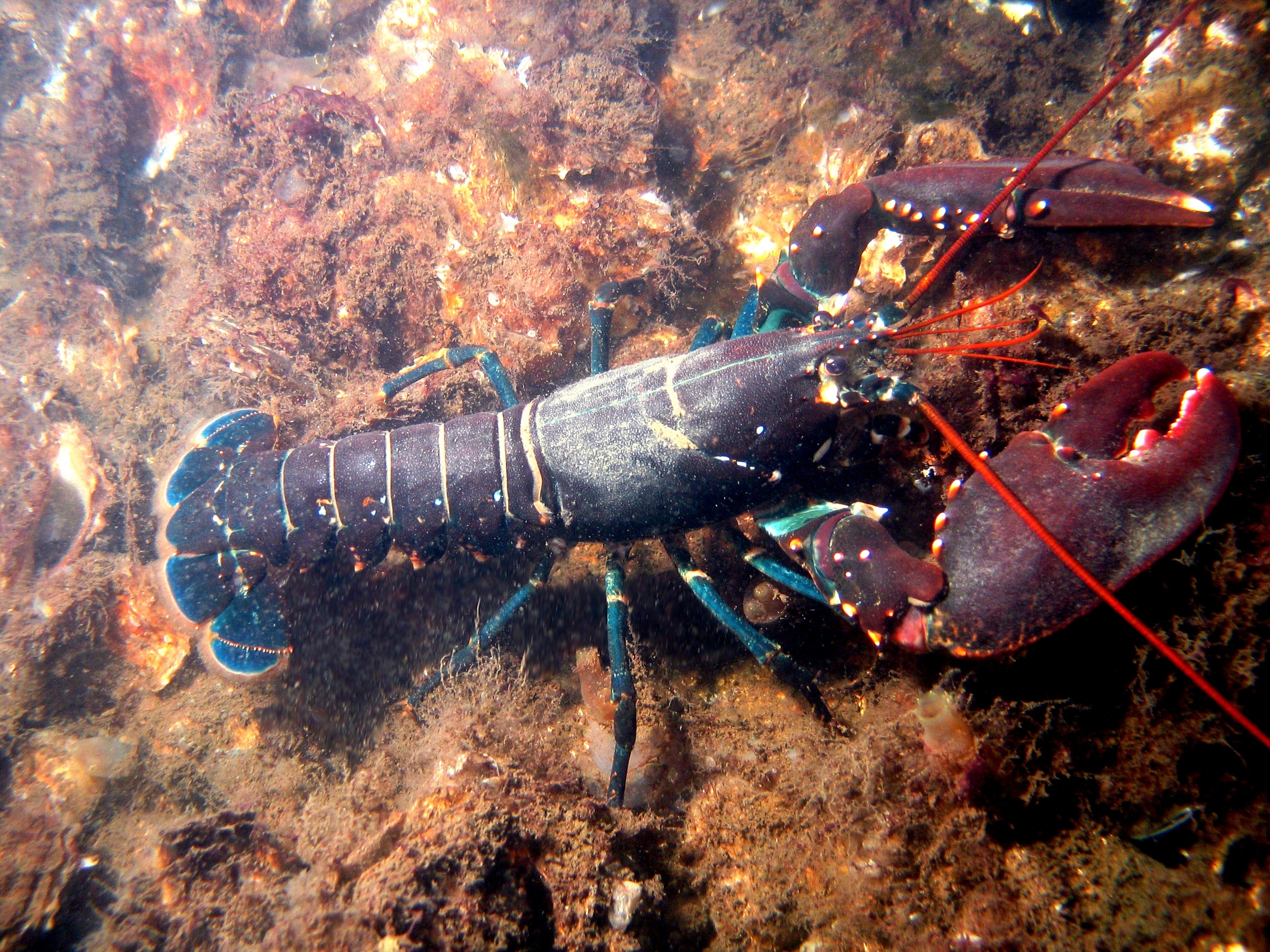
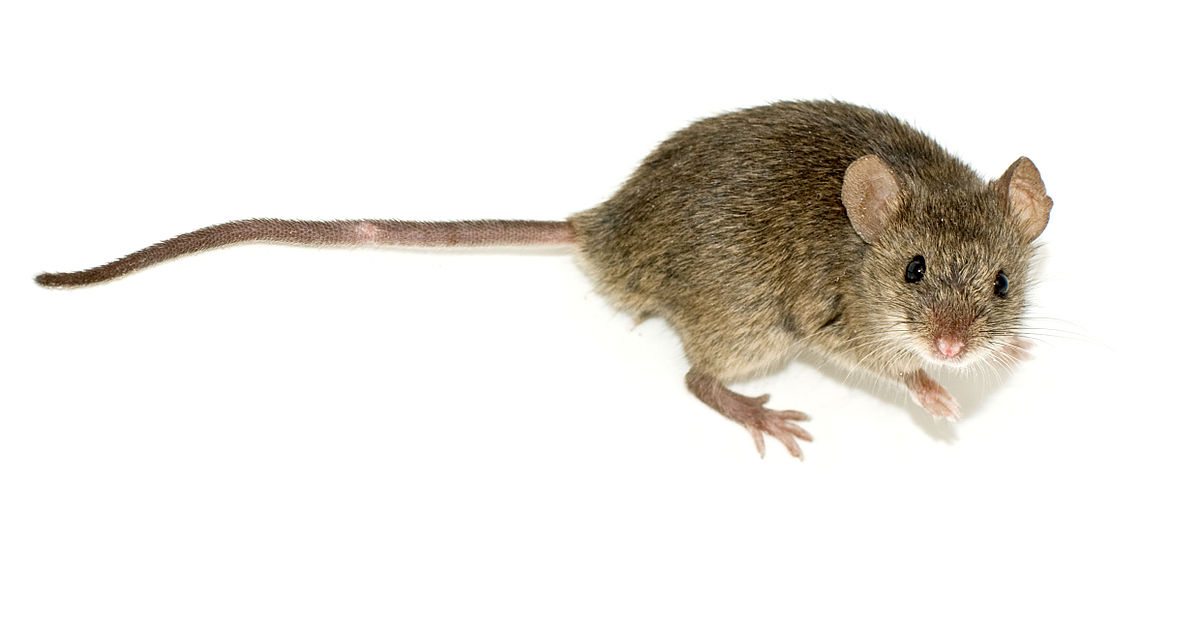
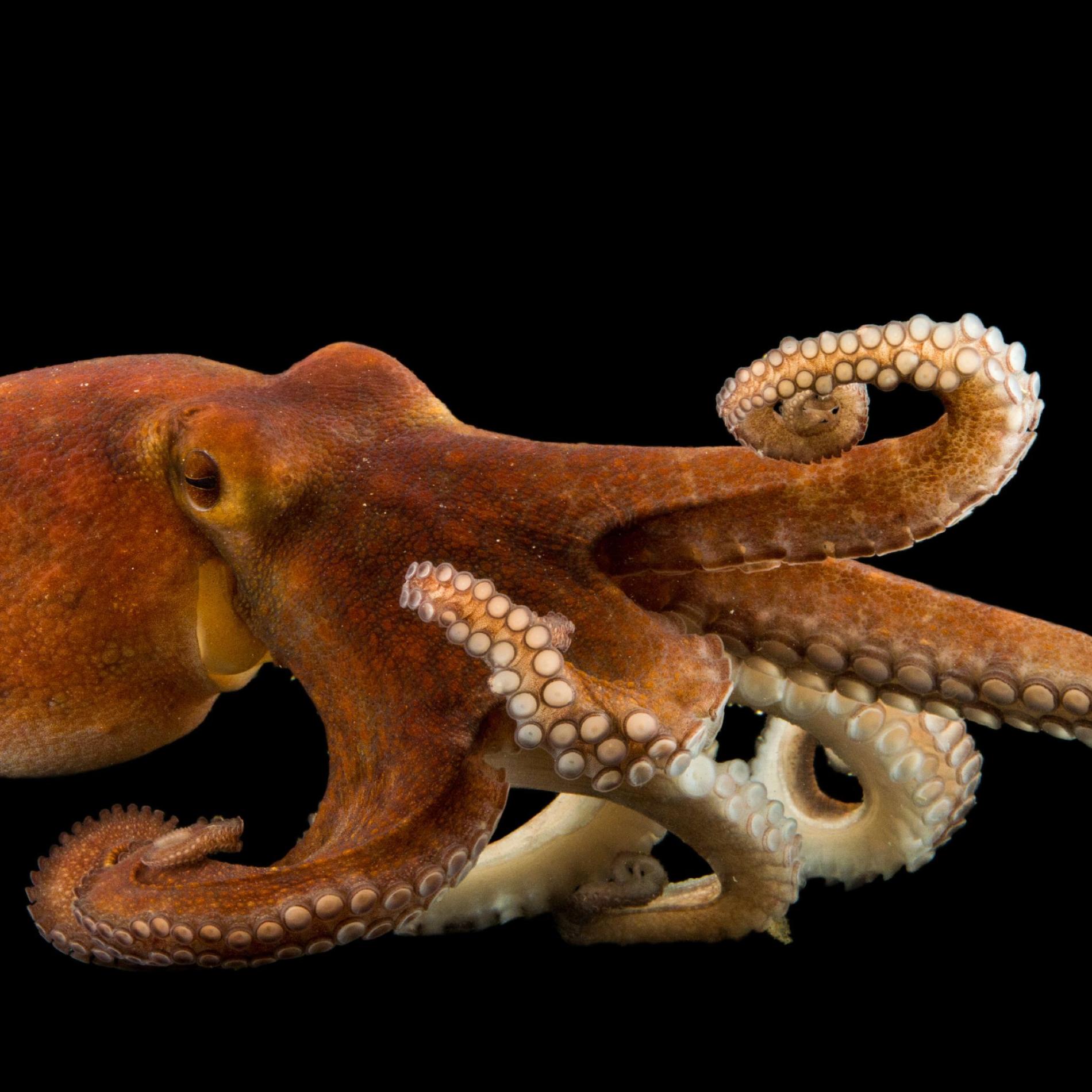
Which of the following is a homeothermic animal?
Salamander
Crocodile
Dugong
Shark
Biodiversity is a priceless treasure and a legacy of nature which should
be preserved. Choose two importance of biodiversity.
Recreational places
To maintain the water level in the atmosphere
Medical
To classify organisms
A __________________ is a method used by biologists to identify and classify organisms systematically
based on similarities and differences.
dolphin key
dicotyledon key
dictionary key
dichotomous key
What is the similarity between salamander and clownfish ?
Both are covered with moist skin
Both are poikilothernic
Both undergo internal fertilisation
Both live on land

Choose the correct pair of the classification of animals given above.
Salamander : Mammal
Turtle : Reptile
Turtle : Reptile
Pangolin : Mammal
Zebra : Mammal
Turtle : Amphibian
Pangolin : Reptile
Salamander : Amphibian
Plants are classified as non-flowering and flowering plants. Which of the following is flowering plant?
Moss
Fern
Durian tree
Conifer
The methods of biodiversity conservation can be classified as in situ conservation and ex situ conservation. Which statement below best describe ex situ conservation?
Preserves the species outside of their natural habitat such as in zoos and botanical parks.
Preserves the species within their natural habitat such as in national parks, permanent forest reserves and marine parks.
Horseshoe crab, eel and centipede are vertebrates.
YES
NO
________________ plants are simple and small plants without a vascular system. _______________ plants have a vascular system within them that transport water and food throughout the plant. These plants also have true roots, stems and leaves.
Vascular ; Non-vascular
Non-vascular ; Vascular
Paddy plant is an example of flowering plants. Choose one characteristic of paddy plant.
Has woody stem
Has leaves with parallel veins
Has tap root
Consist of two cotyledons
Which of the following is NOT a characteristic of plant that has monocotyledon seed?
Has parallel vein leaves
Has tap root
Has woody stem
Non-flowering plant

Why is "A" less biodiverse than "B"?
Image "A" is more biodiverse.
Image "A" has many corn plants and this makes it have high "rich" biodiversity.
Image "A" has a lot more plants than image "B"
Even though "A" has a lot of corn plants they are all the same species and makes this a low "poor" biodiverse area.

Which of the following questions could we ask to distinguish a mammal, such as a spider monkey, from a reptile, such as a crocodile?
Does the animal have four limbs?
Does the animal lay eggs to reproduce?
Does the animal consume food for energy?
Does the animal have a backbone?


What can be done by human to maintain and conserve biodiversity (2 answers) ?
Deforestation
Encourage sales of turtle eggs
Reforestation
Carry out breeding programs
What are the two groups scientist use to classify plants? PICK TWO
Plants
Trees
Nonvascular
Vascular

Mrs. Collins asked her class to draw pictures of invertebrates. Which student or students pictures were correct?
Student B
Student A
Student A and B
Student C and D

