
 Worksheets
Landmark Cases
Total questions: 58
Worksheet time: 1hrs 4mins
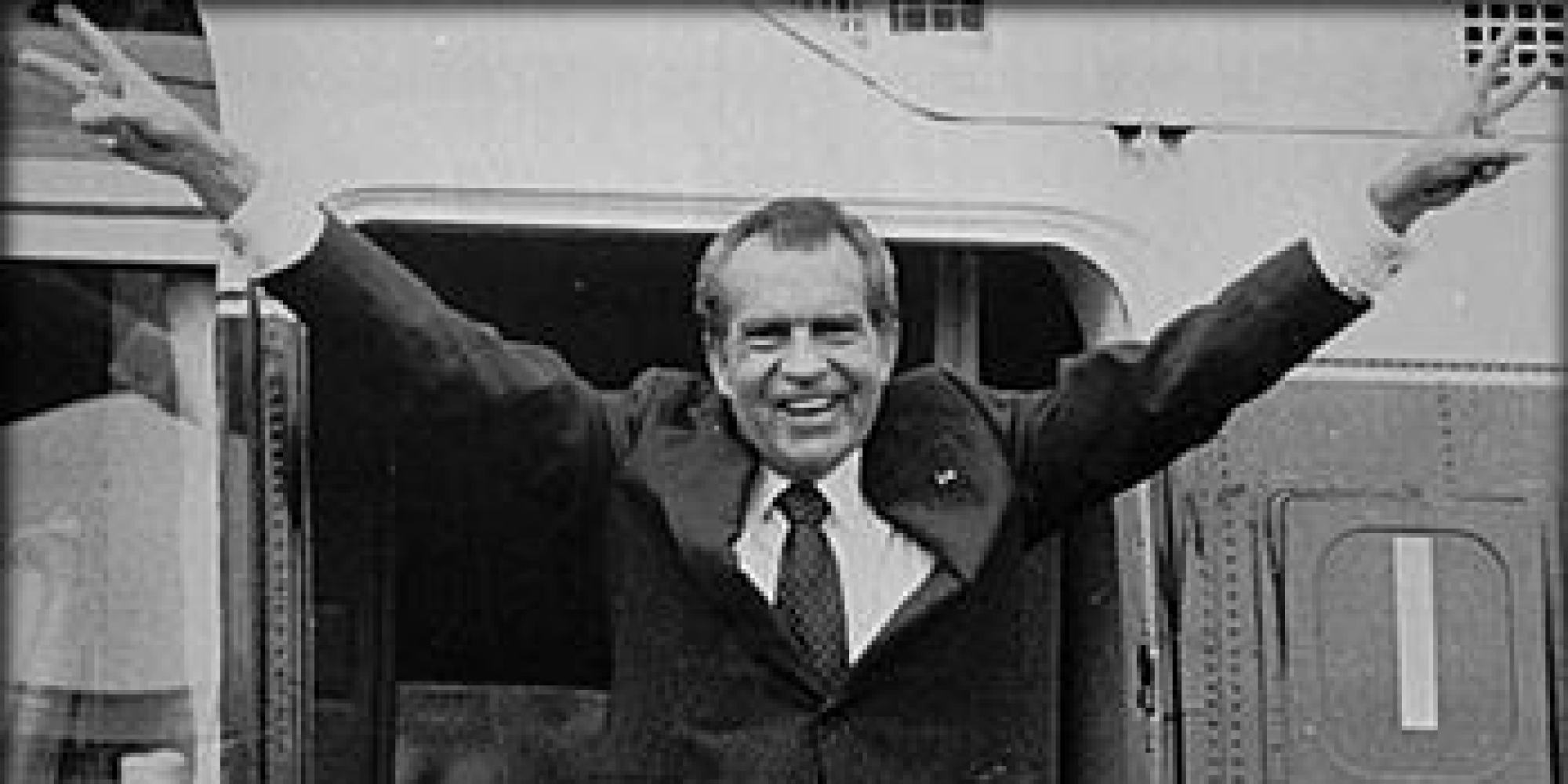
No one is above the law...not even the president.
Bush v. Gore
Marbury v. Madison
Miranda v. Arizona
U.S. v. Nixon
Determined the FL Supreme Court could not order a recount of ballots.
Marbury v. Madison
Bush v. Gore
U.S. v. Nixon
Hazelwood v. Kuhlmeier
Suspects cannot be questioned (interrogated) until they are informed of their rights (right to remain silent, right to an attorney, etc.)
Brown v Board of Education
Miranda v Arizona
Tinker v Des Moines
Bush v Gore
Established the Supreme Courts power of “Judicial Review” to see if laws are Constitutional / Unconstitutional. (Judicial Branch interprets the laws)
Marbury v Madison
Hazelwood v Kuhlmeier
In Re Gault
District of Columbia v Heller
A person accused of a crime no matter how poor has the right to an attorney during trial. Enforces the 6th Amendment.
Tinker v Des Moines
Gideon v Wainwright
Miranda v Arizona
United States v Nixon
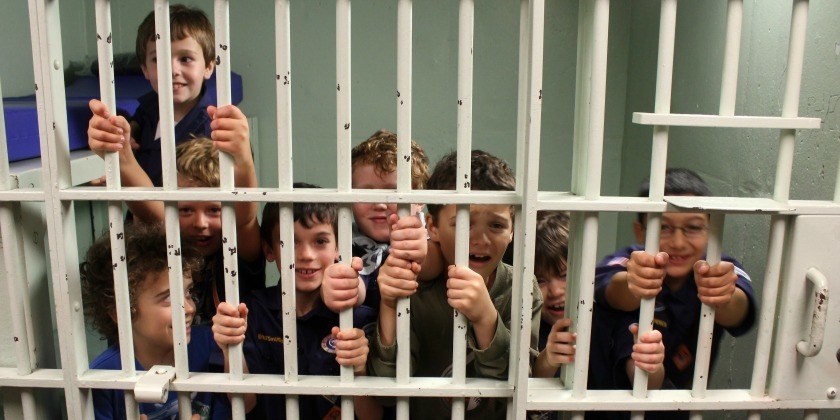
Juveniles are allowed to have “Due Process” rights. (right to a trial, right to an attorney, right to question witnesses, etc.)
District of Columbia v Heller
Tinker v Des Moines
In Re Gault
Miranda v Arizona
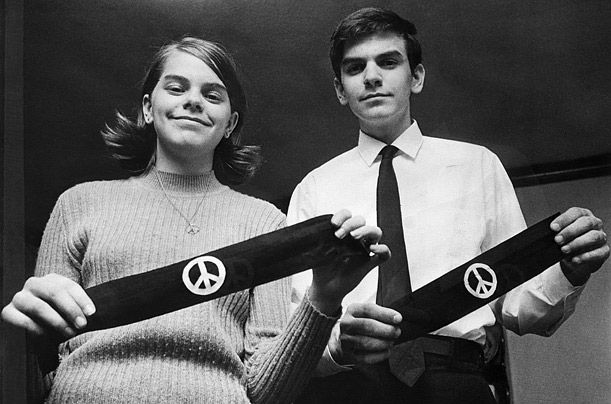
Students have the right to free speech at school as long it doesn’t disrupt school activities. (wearing black armbands in protest)
In Re Gault
District of Columbia v Heller
Hazelwood v Kuhlmeier
Tinker v Des Moines
Allowed for the censorship (blocking) of materials / stories written in school newspapers.
Plessy v Ferguson
Tinker v Des Moines
Marbury v Madison
Hazelwood v Kuhlmeier


What did Homer Plessy do that got him arrested?
Sat in the white only part of the bus.
Took a seat in the white only car of a train.
Sat at a white only section of a lunch counter.
The 14th amendment was to gave all U.S. citizens what?
equal protection under the law
citizenship by birth on U.S. land
both of these
Plessy and the other members of his organization were trying to challenge
the Brown v. Board of Education case
Segregation and the Jim Crow laws
Reconstruction
equal pay for equal work
What was one of the results of Plessy v. Ferguson?
The Supreme Court ruled in favor of Plessy saying segregation was illegal.
The Supreme Court never made a ruling.
The Supreme Court ruled that segregation was legal.
What famous phrase came out of the Plessy case?
"Separate but equal"
"Give me liberty or give me death."
"By any means necessary"

According to the Supreme Court opinion in Brown v. Board of Education, what is the importance of the Fourteenth Amendment to the case?
The amendment requires that all citizens be treated equally under the law.
The amendment explicitly forbids segregation of schools on the basis of race.
The amendment says that all citizens deserve the same educational opportunities.
The amendment forbids differences in quality between various public institutions.
Which statement best summarizes the opinion concerning segregation in Brown v. Board of Education?
The Fourteenth Amendment does not mention public education.
Some earlier court decisions allowed schools to segregate students on the basis of race.
It is unconstitutional for public schools to segregate students on the basis of race.
An earlier court decision allowed “separate but equal” school facilities for white and African American children.
McCulloch v. Maryland was about whether a state could _______ a U.S. bank.
tax
issue
nullify
ratify
McCulloch v. Maryland was about whether the Constitution lets Congress start a _____.
tax
national bank
privatized education system
war
Congress can make laws that are necessary and ____ for carrying out its powers.
powerful
proper
Which Supreme Court case decided that slaves did not have legal rights and the Missouri Compromise was unconstitutional?
Dred Scott v. Sanford
Marbury v. Madison
Plessy v. Ferguson
Engel v. Vitale
Established the Supremacy of the US Constitution and federal laws over state laws
Marbury v. Madison
McCullouch v. Maryland
US v. Lopez
New York Times Co. v. United States
School sponsorship of religious activities (teacher led / directed prayer) violates the establishment clause
Tinker v. Des Moines
Engel v. Vitale
Wisconsin v. Yoder
Schenck v. United States
Speech creating a "clear and present danger" is not protected by the 1st Amendment
Schenck v. United States
Roe v. Wade
United States v. Lopez
Engel v. Vitale
Because student expression is protected by the First Amendment even while in school, school officials must provide constitutionally valid reasons for regulating student expression.
Which case ruled this?
Tinker v. Des Moines
New Jersey v. TLO
Hazelwood v. Kuhlmeier
Brown v. Board of Education
The Supreme Court concluded that the First Amendment does not force schools to approve student speech in their school-sponsored publications.
Which case is this?
Tinker v. Des Moines
Hazelwood v. Kuhlmeier
New Jersey v. TLO
Fisher v. University of Texas
For the remainder of the in-state freshman class the university would consider race as a factor in admission. The court ruled this was allowed under Affirmative Action.
Which case is this?
Fisher v. University of Texas
Gratz v. Bollinger
Regents of the University of California v. Bakke
Brown v. Board of Education

