
NEW
Font size
 Worksheets
Electron Configuration Review
Total questions: 20
Worksheet time: 7mins

What is the atomic mass of this atom?
2
4
6
none of the above


What element is this?
Sodium (Na)
Phosphorous (P)
Nitrogen (N)
Sulfer (S)

What element is this?
Carbon (C)
Hydrogen (H)
Aluminum (Al)
Lithium (Li)

Which of the following figures of the Bohr's model are incorrect?
A and B
B and C
B and D
A and D
None
Which orbital notation represents oxygen?


How many electrons can an orbital hold?
1 electron
2 electrons
3 electrons
4 electrons
What element matches this electron configuration?
1s22s22p63s2
Neon
Magnesium
Aluminum
Potassium
[Ar]4s2
What is the electron configuration for the first two electrons?
1d2
1s2
1f2
1p2
2s2

Which electron orbital is associated with more energy?
2p
3s
3p
3d
4s


How many valence does phosphorous have?
2
3
5
10
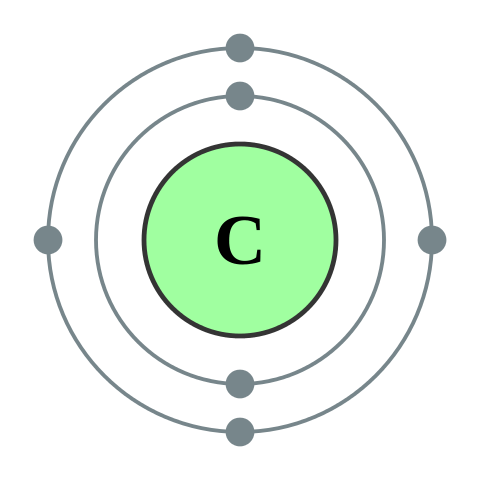
How many valence electrons does carbon have?
4
5
6
7

How many valence electrons does sodium have?
1
2
3
4

If aluminum loses an electron, it will have a ________ charge and become a(n) ___________.
positive, anion
negatie, anion
positive, cation
negative, anion

If fluorine gains an electron, it will have a _______ charge and become a(n) ____________.
positive, anion
negative, anion
positive, cation
negative cation

