
 Worksheets
Geologic History of Earth Quiz
Total questions: 20
Worksheet time: 10mins

Which of the following conclusions can be drawn from the data in this diagram?
Jellyfish and trilobites never competed for resources.
Trilobites and dinosaurs did not live at the same time.
Most mammals are in competition with birds for resources.
Mammals did not appear until after the dinosaurs went extinct.

The illustration here shows rock layers in their original order, along with a fracture in some rock layers caused by an earthquake. Based on the evidence in the illustration, an earthquake occurred -
before layer W was deposited.
before layer X was deposited
after layer Y was deposited.
after layer Z was deposited.
The preserved remains or trace of an organism that was once living
Fossil
Rock Strata
Stratigraphy
Fossil Record

The basalt INTRUSION occurred...
AFTER the limestone and granite were deposited.
BEFORE the limestone and granite were deposited
There is no way to know
How old is the Earth?
3 billion years
100,000 years
4.6 billions years
2000 million years
What is half-life?
time it takes for all the radioactive material to decay
time it takes for 3/4 of the radioactive material to decay
time it takes for 1/2 of the radioactive material to decay
time it takes for 1/4 of the radioactive material to decay
What term explains that things that are deeper in the soil are older?
superpositioning
faunal succession
original horizontality

Based on the graph, what is the half-life of carbon-14?
0 years
5730 years
11460 years
17190 years

Based on the picture, which rock layer is the youngest?
1
5
8
12
Which is an example of an imprint fossil?
bone
a cast
an animal track
amber fossil
Which type of rock are most fossils found?
sedimentary rock
metamorphic rock
igneous rock
fossils
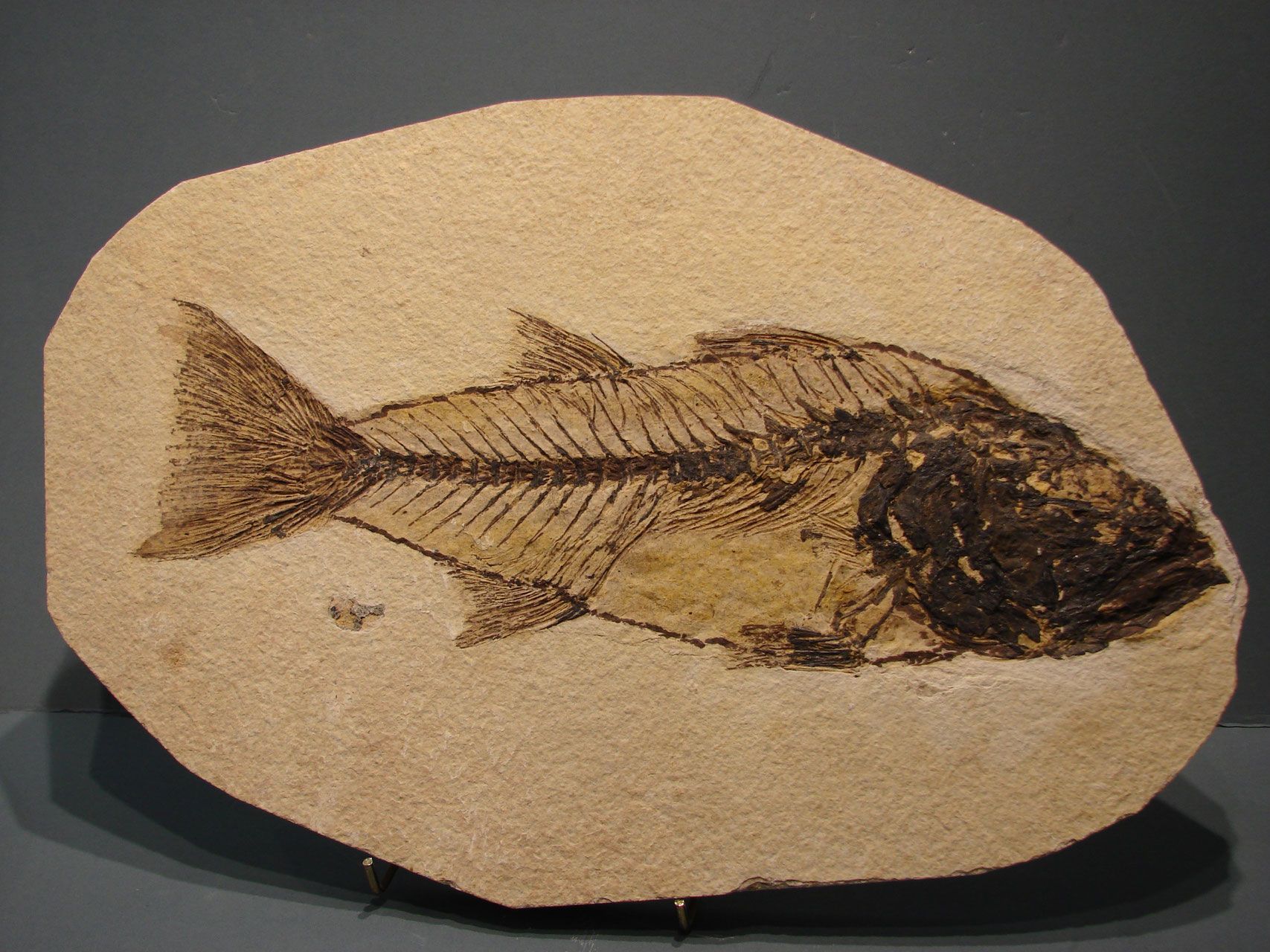
If a scientist found a fish fossil in the desert, what can they infer?
An animal ate the fish.
The water covered the area long ago.
Today's fish looks the same
The fish is endangered.


Which best describes the first 1/2 of Earth's History?
A lot of oxygen
Simple Celled organisms
Dinosaurs
Human like ancestors

Which of these makes a good Index Fossil?
A
B
C
D
Index Fossils help us determine the dates of other rocks and organisms found if various locations without having to always send samples in for exact or absolute dating.
TRUE
FALSE

