
 Worksheets
CHAPTER 2.3 : INTERDEPENDENCE AND INTERACTION AMONG ORGANISM
Total questions: 25
Worksheet time: 16mins
A habitat is the natural surroundings or home of an organism.
True
False
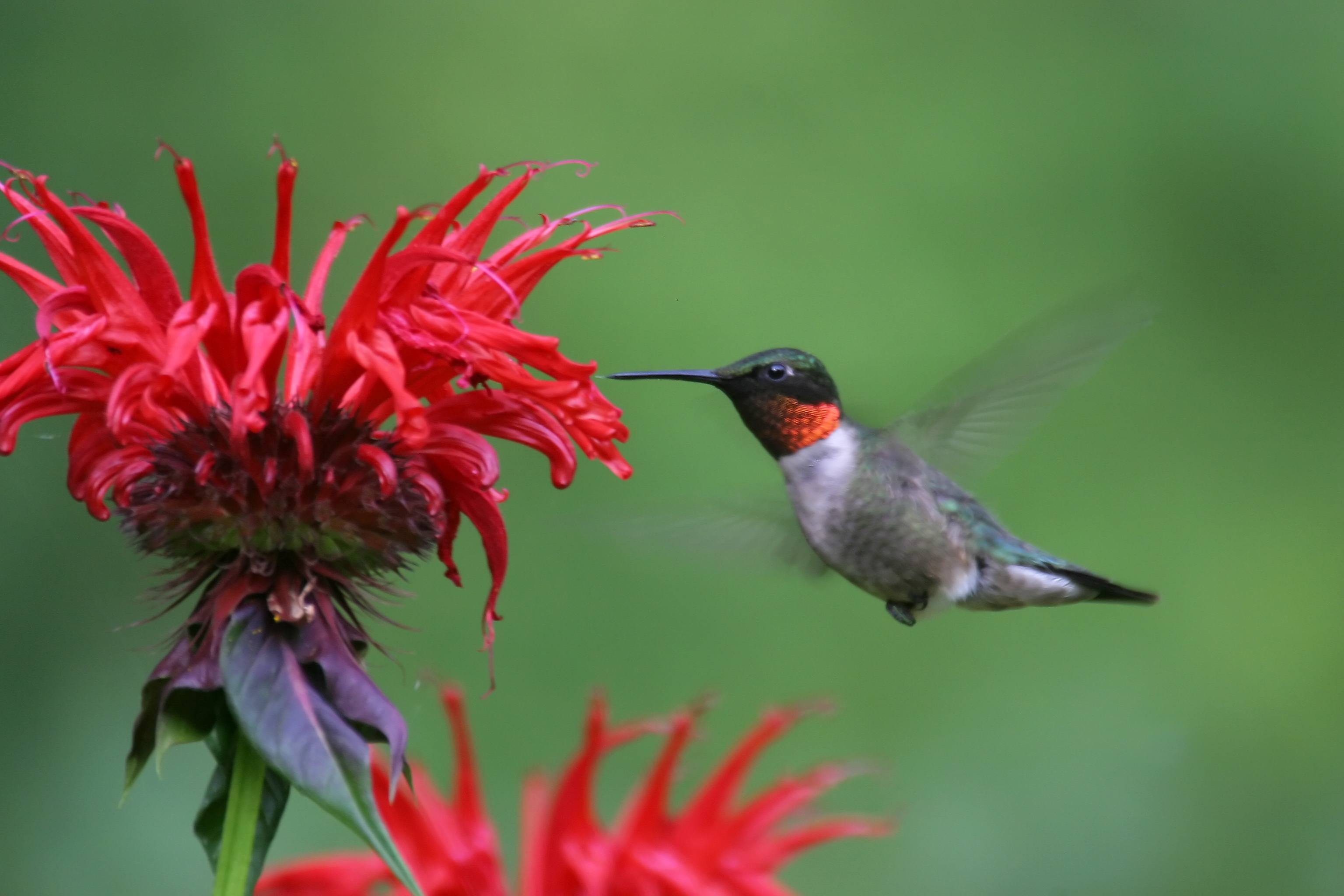

Name the type of this symbiosis?
Mutualism
Commensalism
Parasitism
Interspecies

Name the type of this symbiosis?
Mutualism
Commensalism
Parasitism
Interspecies

Name the type of this symbiosis?
Mutualism
Commensalism
Parasitism
Interspecies

The diagram shows the interaction of two animals.
Which of the following animals show the similar interaction as above?


What term describes organisms striving for the same limited resources?
Competition
Predation
Mutualism
Commensalism

Commensalism is a symbiotic relationship in which what occurs between the organisms?
both organisms are harmed
one benefits, the other is unaffected
one benefits, the other is harmed
one benefits by eating the other


Lion and Zebra - The lion hunts and kills the zebra for its food. This is an example of?
predator-prey
mutualism
commensalism
parasitism
A group of organisms that have common characteristics and can reproduce to breed offsprings is called.......
ecosystem
community
species
population
A community is a few species of different organisms that live together in one habitat and have mutual interaction with one another.
True
False
A group of organisms of the same species that live in the same habitat is called .....
species
population
community
ecosystem
An ecosystem is a few communities that live together in one habitat and have mutual interaction with one another including all the non living components such as water, air and soil.
True
False
The relationship between two members of a community in which one member harms another by its presence is
parasitism
mutualism
commensailism
dependency
Some small fish attach themselves to the body of a shark without harming it and feed upon its left over food. This relationship between the shark and the fish is an example of
commensalism
mutualism
competition
parasitism
Which example shows a relationship between a living things and a nonliving thing?
An insect is food for a salmon
Water carries a rock downstream
A tree removes a gas from the air
A flower makes food for a butterfly

Which of the following is NOT a symbiotic relationship?
Competition
Commensalism
Mutualism
Parasitism
The relationship between two members of a community in which one member harms another by its presence is
parasitism
mutualism
commensailism
dependency
A bee goes from flower to flower, gathering nectar. At each stop, the furry body and legs accumulate pollen from the flower, which the bee transfers as it moves. The flower needs pollen to reproduce and the bee needs nectar to eat. What kind of relationship is this?
parasitism
commensalism
mutualism
predation
Tapeworms are long, flat parasites that can live in the intestines of animals, including humans. The tapeworm feeds off the food the host animal consumes, and the host animal loses nutrition as a result. What kind of relationship is this?
parasitism
commensalism
mutualism
predation
A mother cuckoo lays her egg in the nest of a warbler, then flies away. The warbler raises the baby cuckoo along with her own babies. The cuckoo baby grows quickly, becoming massive compare to the warbler babies. At some point, the baby cuckoo pushes the warbler babies out of the nest in order to make more room for itself. What does this scenario describe?
parasitism
predation
intraspecies competition
interspecies competition
Which of the following is NOT true regarding predation?
Predation helps maintain an ecological balance
Predators keep the numbers of prey animals under control
Predators choose the sick and weak prey because they are easier to catch
Predators choose the sick and weak prey because they are trying to maintain ecological balance

