
Font size
 Worksheets
WATER POLLUTION
Total questions: 36
Worksheet time: 21mins
A disease that may be caused by drinking polluted water is
malaria
cough
cholera
dengue

We can prevent water pollution by:
Reduce the use of plastic.
Properly dispose of chemicals.
Clean up after your animals.
All of the above
Which of the following is not a natural cause of water pollution?
Volcanoes
Animal waste
Oil spills
Silt from storms and floods
What can happen to fish when there is not enough oxygen in the water?
They can suffocate
They can't float
They can't see.
Nothing. Fish don't need oxygen.

What percentage of the Earth's fresh water is available to us?
97 %
7 %
1 %
50 %

An example of a waterborne disease is:
Cholera
Giardia
Typhoid
All of the above.

A rapid growth of algae could lead to:
A reduction of oxygen levels in the water.
Water that can support more life.
Increase the amount of oxygen
An increase in oxygen levels.
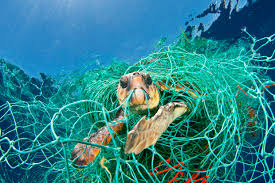
Marine debris can cause animals to:
Starve
strangle
Suffocate
all of the above.
A chemical sprayed to kill insects or bugs.
aquifer
fetilizer
herbicide
pesticide
Taking care of natural resources like water, or soil...
infiltration
point source pollution
conservation
erosion
What do untreated (raw) sewage and fertilisers have in common?
They encourage excessive growth of aquatic plants
They are eaten by animals in the water
They accumulate in the tissues of aquatic organisms
Why does chemical waste need to be disposed of carefully?
It encourages excessive plant growth
It contains heavy metals which build up in the tissues of living organisms.
It is not biodegradable
It depletes the oxygen levels in the water
When untreated sewage and fertilisers wash into water, which process results?
Bioaccumulation
Biomagnification
Eutrophication
Decomposition
What causes depletion of oxygen during eutrophication?
Excessive growth of plants on the surface
Death of fish
Death of plants beneath the surface
Increase of animals eating surface plants.
What is a consequence of oxygen depletion during eutrophication?
Excessive growth of plants on the surface
Death of fish
Death of plants under the surface
Increase in animals that eat surface plants.
What is the biggest danger to humans of discarded rubbish?
Plastics break apart into smaller and smaller pieces
Animals eat it and it accumulates in their stomachs
Animals get stuck or tangled up in it and suffocate
We're running out of space in landfill
What would be an effective way to reduce plastic pollution?
Sell plastic waste to countries that need the money
Fine people who do not use litter bins
Reduce the amount of single-use items we use
Cover landfill sites so that plastics do not blow into the ocean
Water pollution happens when _________ substances enter water bodies
unhealthy
toxic
chemical
What kind of animals can be seriously harmed by water pollution?
land animals
sky animals
water animals
Polluted water should not be used for irrigation because----
It can harm aquatic animals
It pollutes river water
it reduces fertility of soil
it increases the production of crops
oil spills in the sea are harmful because they-
decrease the level of water in sea
Infect the aquatic plants
increase the growth of micro-organisms in water
cut off the supply of oxygen for aquatic animals
Pollution of river water can be reduced if
chemical fertilizers are used for increasing production of crops
farmers use sprinklers for irrigating their fields
water is allowed to stagnate around the river banks
people do not wash clothes or bathe their cattle in rivers
(a) is the purest form of water .
Water containing impurities is called (a) water
Chemical fertilizers and (a) used by farmers ,can causes water pollution.
Drinking (a) water can cause diseases like diarrhea and jundice.
(a) and agricultural wastes increase the growth of micro-organisms in water
River water is the purest form of water
True
False
Polluted water may contain dust, germs and smoke
True
False
Throwing domestic waste ,in rivers causes water pollution.
True
False
increased growth of micro-organisms in water increases the amount of oxygen for aquatic animals.
True
False
Use of chemical fertilizers helps in preventing water pollution.
True
False
Taking care of natural resources like water, or soil...
infiltration
point source pollution
conservation
erosion
Which of the following are the primary causes of water pollution?
Plants
Animals
Human activities
None of these
Which of the following is mainly responsible for the causes of water pollution?
a) Afforestation
b) Oil refineries
c) Paper factories
d) Both b and c
Materials used to increase the crop production are called ____________.
Pollution
Pesticides
Pollutants
Fertilizers

