
NEW
Font size
 Worksheets
Ecological organization and interactions quiz
Total questions: 15
Worksheet time: 12mins
What is Ecology?
It is the study of the Earth.
It is the study of how organisms interact with each other and their environment.
It is the study of recycling.
A group of interbreeding organisms (species) living in the same area
ecosystem
community
population
All the populations in an ecosystem
ecosystem
community
species
Also known as a biome, includes all the living and nonliving features of an environment.
ecosystem
community
population
Nonliving factors that affects an ecosystem are called...
biotic factors
abiotic factors
biome factors
Which of the following is an example of a population?
the cats and dogs in your neighborhood
the local park
the gray wolves in a forest
If a scientists are studying the insects, birds, fish, and plants in an area, but not the water or the rocks, what ecological organization would they be studying?
ecosystem
population
community
What word best describes the mammals, fish, birds, and plants, as well as the sun, soil, air, and water in an environment?
abiotic
ecosystem
community
The five levels of organization in the environment, from the first to the fifth level are_________________
organism, population, biosphere, ecosystem, community
organisms, population, biotic elements, abiotic elements
organism, population, community, ecosystem, biosphere
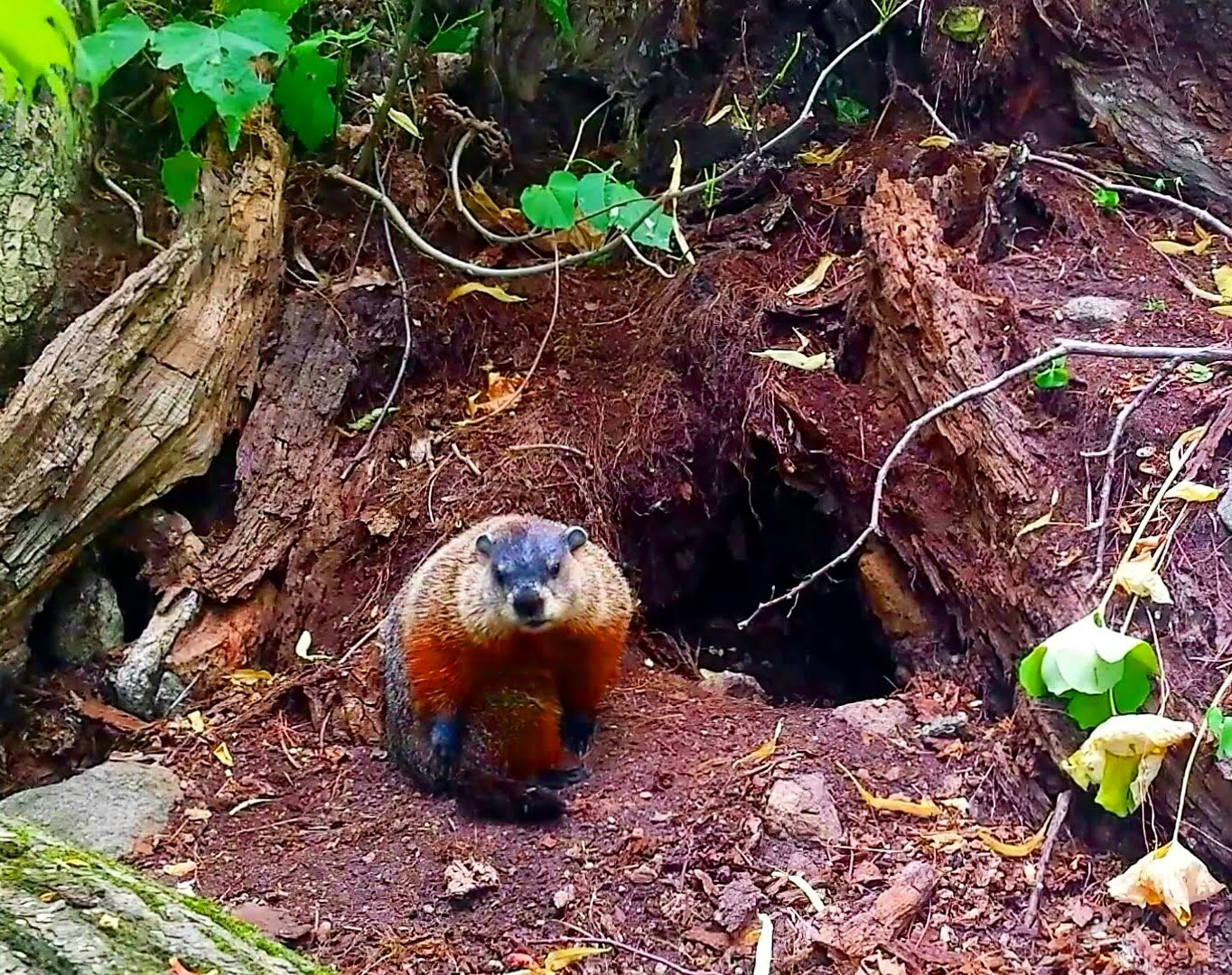
What type of symbiosis? Skunks often live in burrows that have been dug and abandoned by woodchucks.
commensalism
mutualism
parasitism
A tick and a dog have this type of relationship.
mutualism
commensalism
parasitism

A bee and a flower work together to benefit each other. This is an example of a ______. The bee helps the flower by pollinating it and the flower helps the bee by providing it with nectar.
commensalistic relationship
parasitic relationship
mutualistic relationship
A relationship between two organisms in which one organism benefits and the other neither helped nor harmed...
Mutualism
Commensalism
Parasitsm
A relationship between two organisms in which one organism benefits and the other is harmed...
Mutualism
Commensalism
Parasitsm

