
 Worksheets
Sports Conditioning Chapter 2 c
Total questions: 28
Worksheet time: 16mins
Name
Class
Date
1.
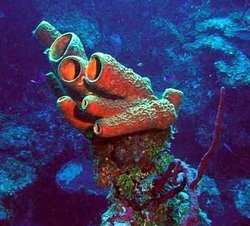
What type of symmetry does this animal exhibit?
a)
Asymmetry
b)
Bilateral symmetry
c)
Radial symmetry
2.
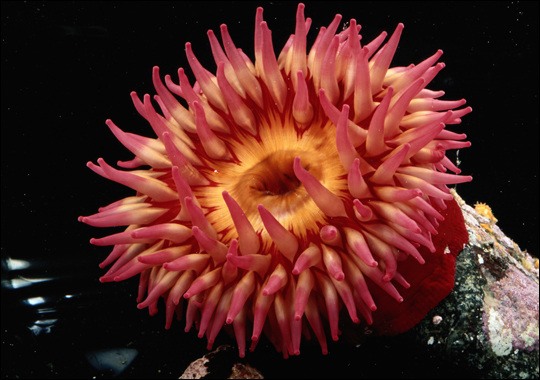
What type of symmetry does this animal exhibit?
a)
Asymmetry
b)
Bilateral symmetry
c)
Radial symmetry
3.
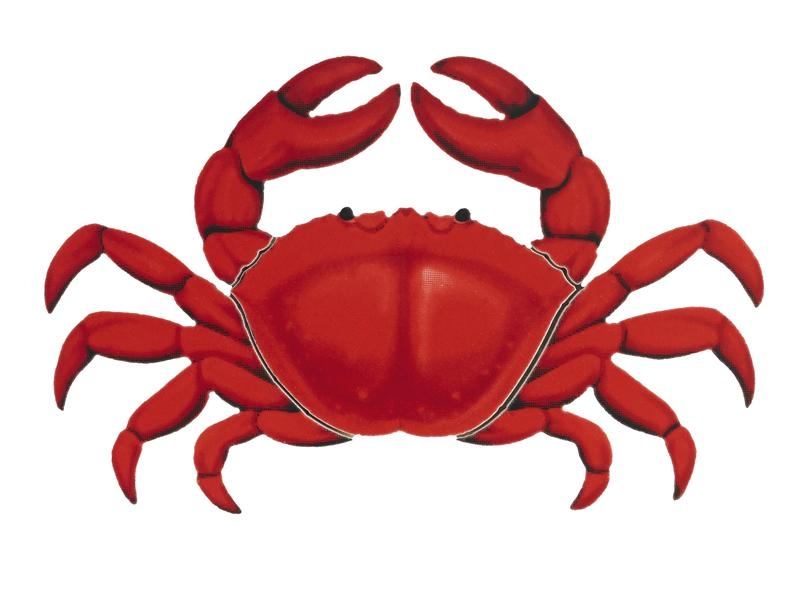
What type of symmetry does this animal exhibit?
a)
Asymmetry
b)
Bilateral symmetry
c)
Radial symmetry
4.
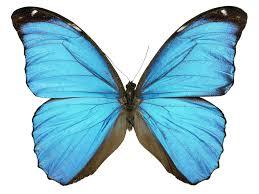
What type of symmetry does this organism have?
a)
Asymmetry
b)
Radial
c)
Bilateral
5.
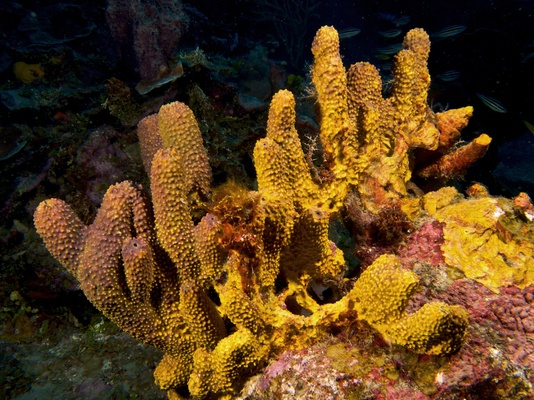
What type of symmetry does a sponge have?
a)
Asymmetry
b)
Radial
c)
Bilateral
6.
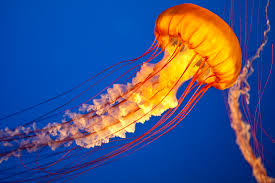
What type of symmetry does this organism have?
a)
Asymmetry
b)
Radial
c)
Bilateral
7.
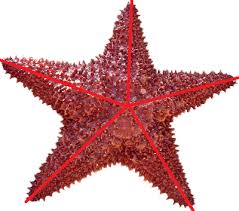
What type of symmetry is displayed in the picture?
a)
asymmetry
b)
bilateral symmetry
c)
radial symmetry
d)
photosynthesis
8.
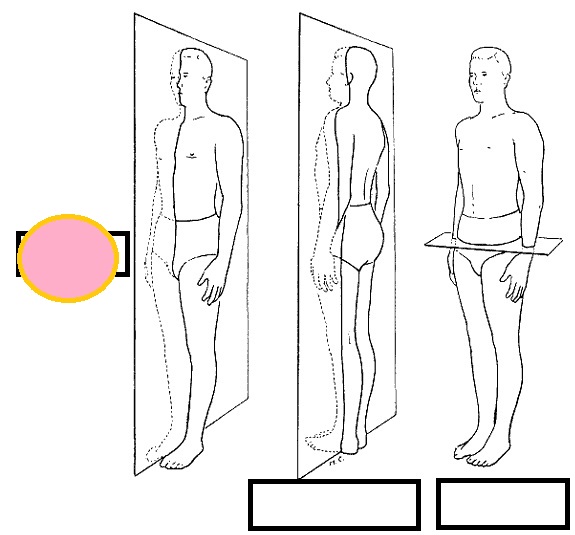
What body plane is shown here by the circle?
a)
Sagital
b)
Transverse
c)
Coronal
9.
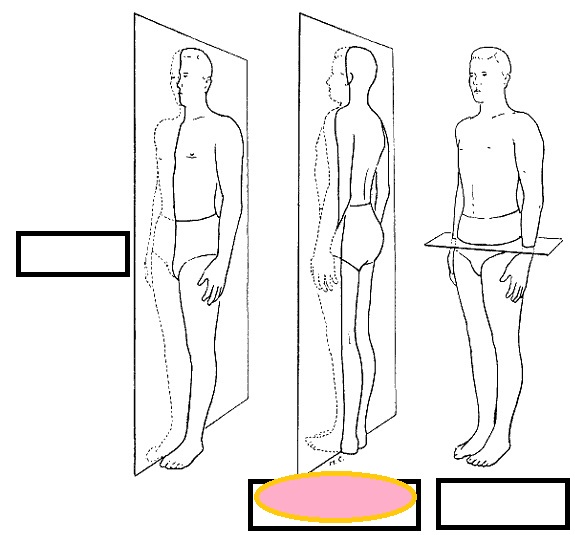
What plane is shown by the circle?
a)
Transverse
b)
Coronal
c)
Sagital
10.
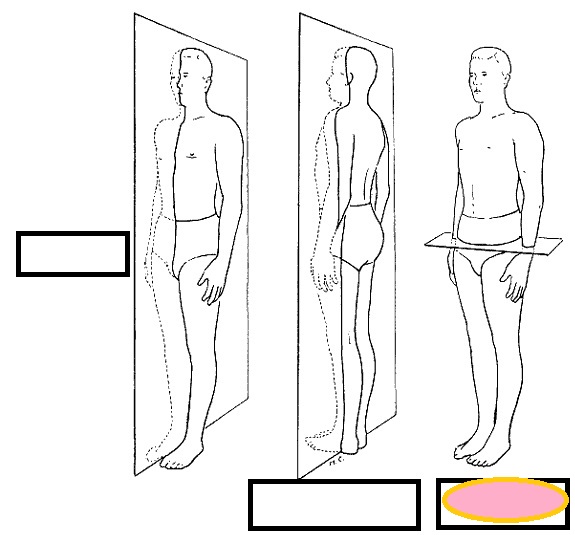
What body plane is shown by the circle?
a)
Sagital
b)
Coronal
c)
Transverse
11.
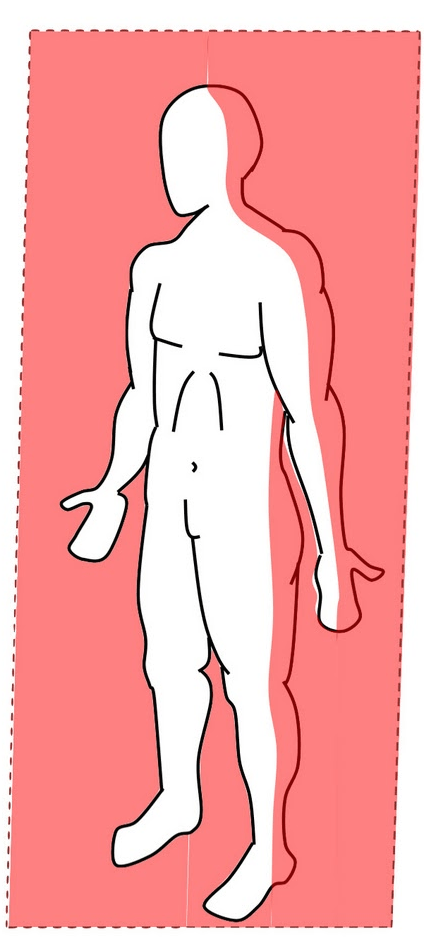
Which body plane is pictured?
a)
sagittal
b)
frontal (coronal)
c)
transverse
12.
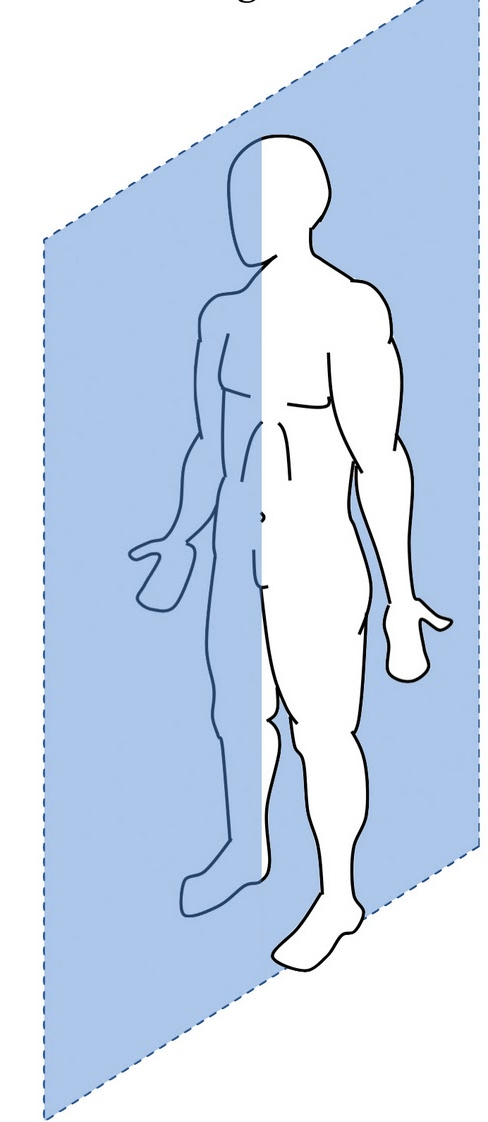
Which body plane is pictured?
a)
sagittal
b)
frontal (coronal)
c)
transverse
13.
What is the plane that divides the body into top and bottom halves?
a)
Transcolon Plane
b)
Transverse Plane
c)
Midsagittal Plane
d)
Frontal Plane
14.
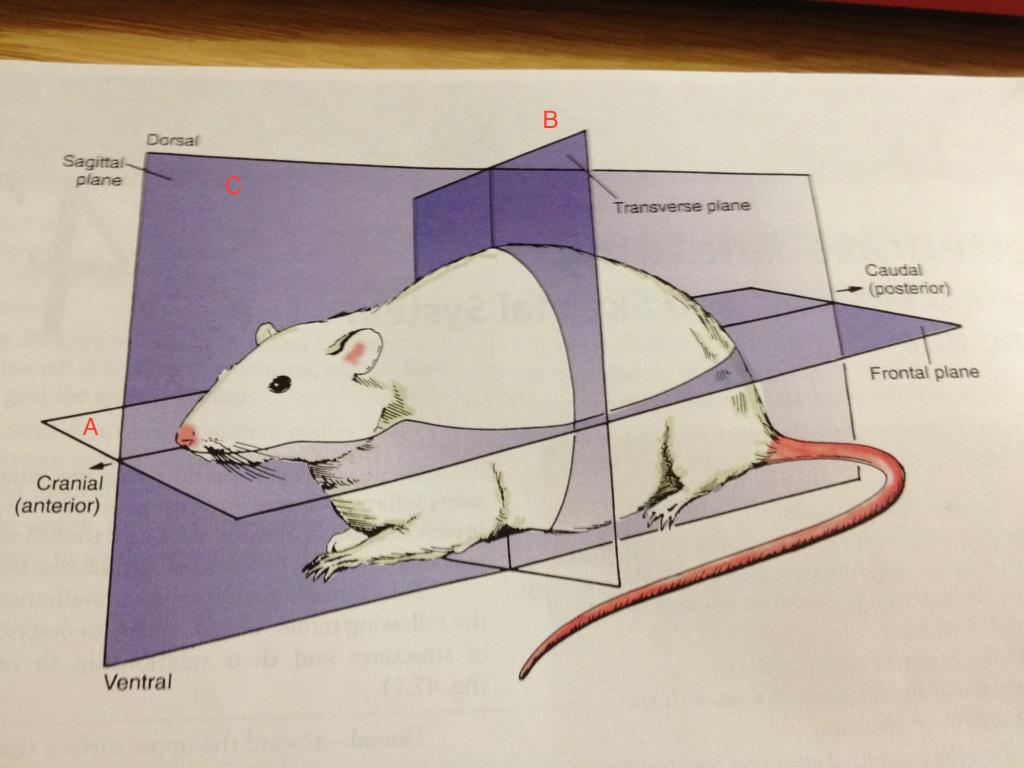
What plane is labeled "A"?
a)
Transverse plane
b)
Sagittal plane
c)
Cranial / frontal
15.
What plane is labeled "B"?
a)
Transverse plane
b)
Sagittal plane
c)
Cranial / frontal
16.
What plane is labeled "C"?
a)
Transverse plane
b)
Sagittal plane
c)
Cranial / frontal
17.
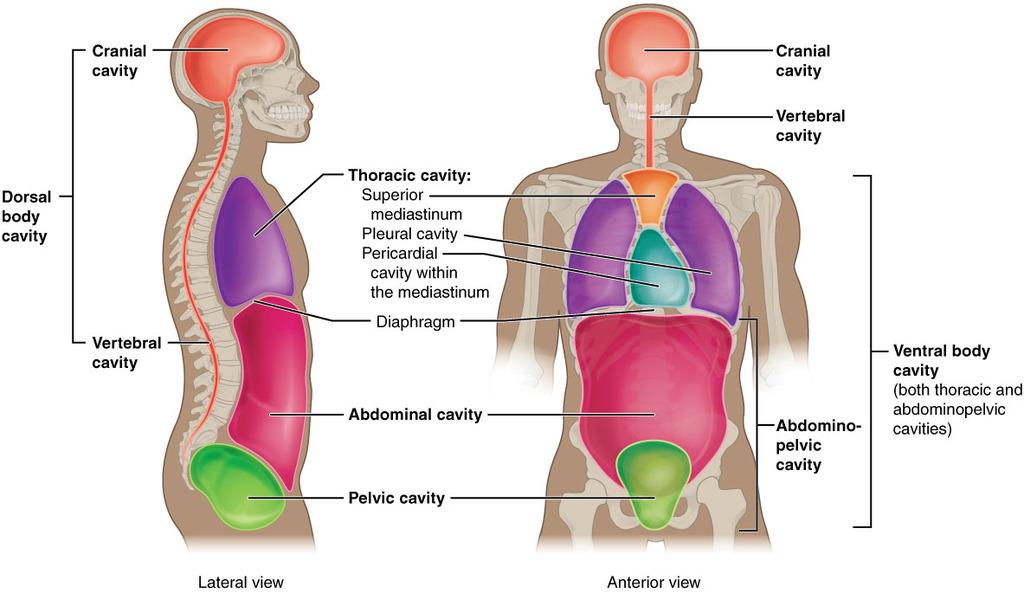
Which body cavity contains organs including the stomach, spleen, liver, gallbladder, and pancreas?
a)
abdominal
b)
pelvic
c)
thoracic
18.
The thoracic cavity includes which organs?
a)
Heart, stomach, and lung
b)
Stomach, heart, and lung
c)
Stomach, intestines, liver
d)
Heart, lung, large blood vessels
19.
What divides the thoracic cavity from the abdominal cavity?
a)
Diafragm
b)
Diaphragm
c)
Skin
d)
Liver
20.
Your shoulder is ______________ to your elbow.
a)
superficial
b)
proximal
c)
distal
d)
deep
21.
Away from an attachment
a)
proximal
b)
lateral
c)
distal
d)
inferior
22.

Number of bones born with
a)
400
b)
300
c)
200
23.

Number of bones after reaching maturity
a)
306
b)
206
c)
406
24.

Largest bone in the body
a)
Femur
b)
Stirup
c)
Ribs
25.

Smallest bone is the
a)
femur
b)
stirrup
c)
ulna
26.

True or false Your bones are 3 times stronger than steel
a)
True
b)
False
27.

The red bone marrow makes ______ new cells every second.
a)
200
b)
2,000
c)
2,000,000
28.

The hinge joint allows you to
a)
swing legs
b)
turn head
c)
twist hips
100 %

