
 Worksheets
Habitat of the Living
Total questions: 30
Worksheet time: 37mins
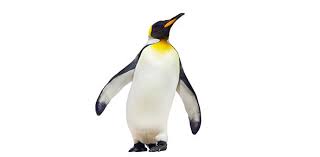
Where does this animal live?
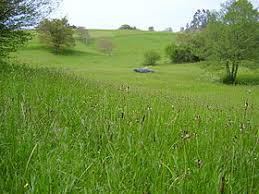
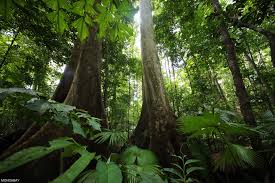
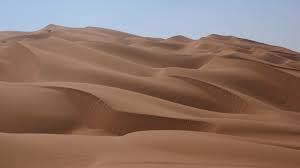
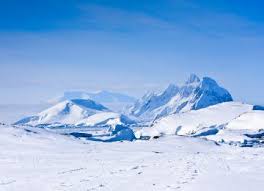
Which one is correct?
Camels live in the rainforst.
Polar Bears live in the arctic.
Zebras live in the ocean.
orangutans live in the desert.
True or False. Polar Bears are endangered because of climate change.
True
False
What is a habitat?
A way an animal behaves.
A group of the same animals living together.
A specific place where an animal naturally lives.
When an animal lives in a place that is not their home eg. a zoo

The variety of flora and fauna found in these forests is vast. The temperature ranges from 20 degree centigrade to 34 degree centigrade.
Desert
Rainforest
Grasslands
Ocean

A lake is home to many animals. Which of the following animals is best suited for freshwater habitat shown in picture?
lizzard
turtle
dolphin
rabbit
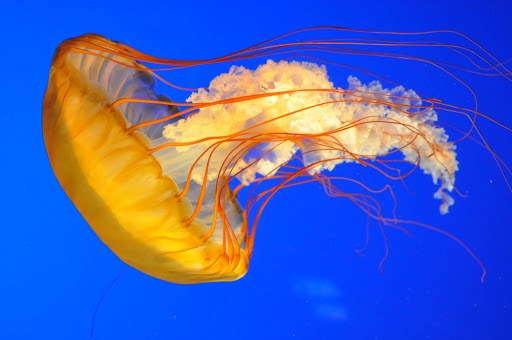
Where do you find jellyfish?
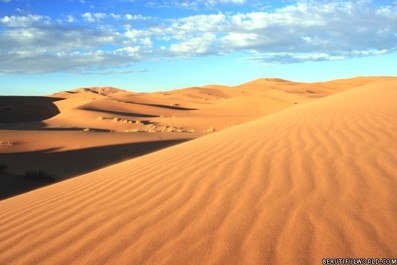
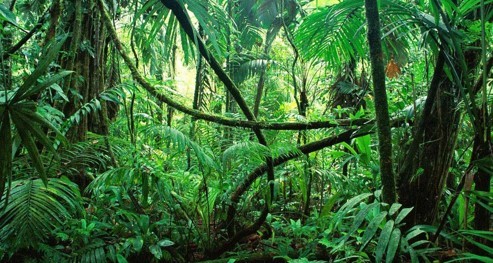
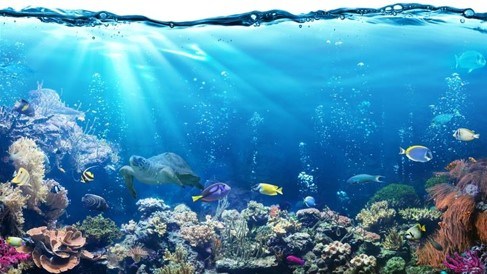
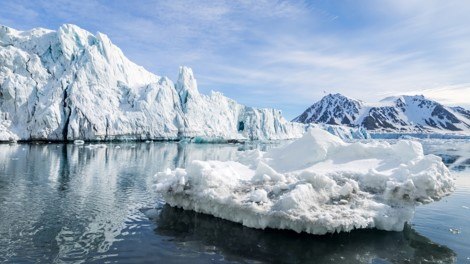

Which of the following feature help a polar bear to survive in cold climate? (select more than one answer)
Padded feet
small ears and tail
Thick fur and a layer of fat under the skin
large chest and lungs
An organism that hunts another organism as a source of energy is called a
prey
producer
herbivore
predator
What would happen to aquatic plants if you dump garbage and harmful chemicals in rivers?
The plants will grow healthy.
The flowers will bloom.
The plants will have greener leaves.
The plants might wither and die.

It has all types of grasses as well as scattered shrubs and small trees
Desert
Polar Regions
Grassland
Forest

Which of of the following adaptation help this plant to live in hot and dry climate?(select more than one answer)
leaves reduced to spine
leaves has specialized tips called drip tips.
stem is swollen and fleshy to store water
bear cones instead of flowers
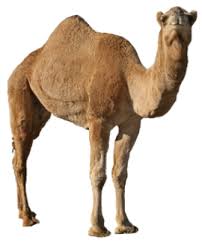
Features which help this animal to survive in hot and dry climate
large chest and lungs
long eye lashes and ear hair
fat stored in hump
thick coat of hair

A place where plants and animals live and grow naturally is called a ______________.
soil
sky
habitat
land
A way of hiding or covering something so it blends in with its environment.
producer
camouflage
omnivore
adaption
All living things need —
Parents, soil, and air
food, clothes, and air
love, food, and friends
shelter, nutrients, water, and oxygen
Habitats change over time. If animals do not adapt —
the habitat will change again
the seasons will become longer
they will live
they will die
The special features which enable living organisms to survive in their surrounding is known as _______
habitat
adaptation
abiotic
The temporary changes that occur in the body to overcome small problems due to changes in surroundings is known as __________
adaptation
acclimatisation
camouflage
In cactus, photosynthesis is carried out by the __________
roots
leaves
stem
The trees in mountain region have _________ shaped leaves.
triangle
needle
round
Dolphins breathe through their _________
blowholes
spiracles
skin
Respiration in aquatic animals occurs by
lungs
legs
nostrils
gills

Which of the following is a marine habitat?
Tropical Rainforest
Tropical Coral Reef
Field

What does an adaptation do?
Make animals extinct (die)
Help living things die
Help living things survive in their habitat
An animal's color or pattern that helps it blend or hide into its surroundings is called as:
Environment
Camouflage
Habitat

What characteristics helps lions catch and eat their prey?
Sharp claws and teeth with strong jaw
Thick fur
Long tail

An animal with webbed feet probably lives in the _________.
Tropical Rainforest
Tropical Coral Reef
Pond or Lake
Field
A bear's thick fur will ___________.
help it to move
scare away other animals
keep its body warm in cold environment

