Wayground logo

Free Printable Worksheets

Font size

S
M
L
XL
Worksheets

Year 11 GAIT Quiz term 1 wk2

Total questions: 73

Worksheet time: 59mins

Name
Class
Date
1.
Monitor
a)
input devices
b)
output devices
c)
storage devices
d)
processor
2.
Mouse
a)
input devices
b)
output devices
c)
storage devices
d)
processor
3.
Keyboard
a)
input devices
b)
output devices
c)
storage devices
d)
processor
4.
Printer
a)
input devices
b)
output devices
c)
storage devices
d)
processor
5.
Plotter
a)
input devices
b)
output devices
c)
storage devices
d)
processor
6.
Scanner
a)
input devices
b)
output devices
c)
storage devices
d)
processor
7.
Touchpad
a)
input devices
b)
output devices
c)
storage devices
d)
processor
8.
Speaker
a)
input devices
b)
output devices
c)
storage devices
d)
processor
9.
Hard disk
a)
input devices
b)
output devices
c)
storage devices
d)
processor
10.
Central Processing Unit (CPU)
a)
input devices
b)
output devices
c)
storage devices
d)
processor
11.
Microfon
a)
input devices
b)
output devices
c)
storage devices
d)
processor
12.
Webcam
a)
input devices
b)
output devices
c)
storage devices
d)
processor
13.
LCD Projector
a)
input devices
b)
output devices
c)
storage devices
d)
processor
14.
Joystick
a)
input devices
b)
output devices
c)
storage devices
d)
processor
15.
Pendrive
a)
input devices
b)
output devices
c)
storage devices
d)
processor
16.

1.It is a collective term used to describe any of the physical components of a computer.

a)

COMPUTER HARDWARE

b)

COMPUTER SOFTWARE

c)

COMPUTER OPERATING SYSTEM

d)

COMPUTER APPLICATIONS

17.

The term Hardware distinguishes the tangible aspect of a computing device.

a)

TRUE

b)

FALSE

18.

The following are Computer Hardware, except;

a)

MOUSE

b)

WINDOWS

c)

RAM

d)

VIDEO CARD

19.

The following are hardware you can find connected outside of a computer, except;

a)

KEYBOARD

b)

PRINTER

c)

HARD DRIVE

d)

SPEAKER

20.

Hard Drive is a volatile memory which stores data, instructions and results of the program currently being executed by the processor and the temporary data which is frequently used.

a)

TRUE

b)

FALSE

21.
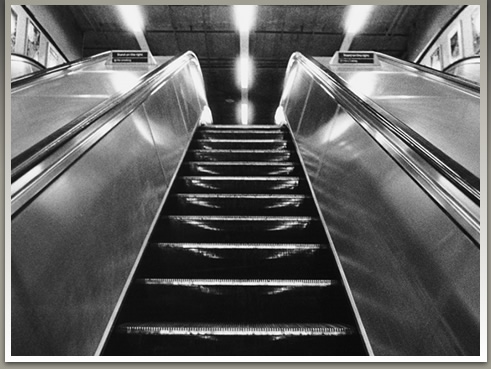
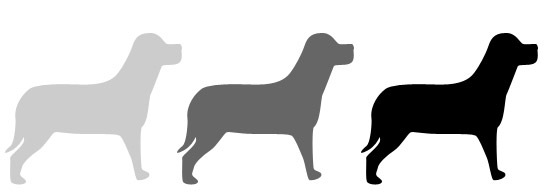
This image is a good example of which element?
a)
movement
b)
pattern
c)
line
d)
form
22.
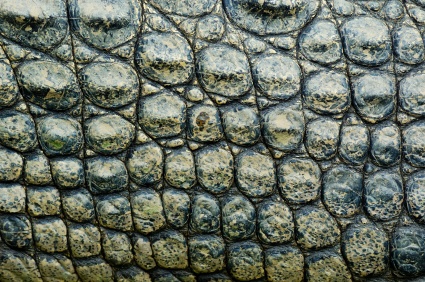
The image is a good example of which element?
a)
pattern
b)
texture
c)
shape
d)
emphasis
23.
This principle can be defined as: the relationship among the elements of a visual that helps all the elements function together.
a)
unity
b)
form
c)
shape
d)
balance
24.
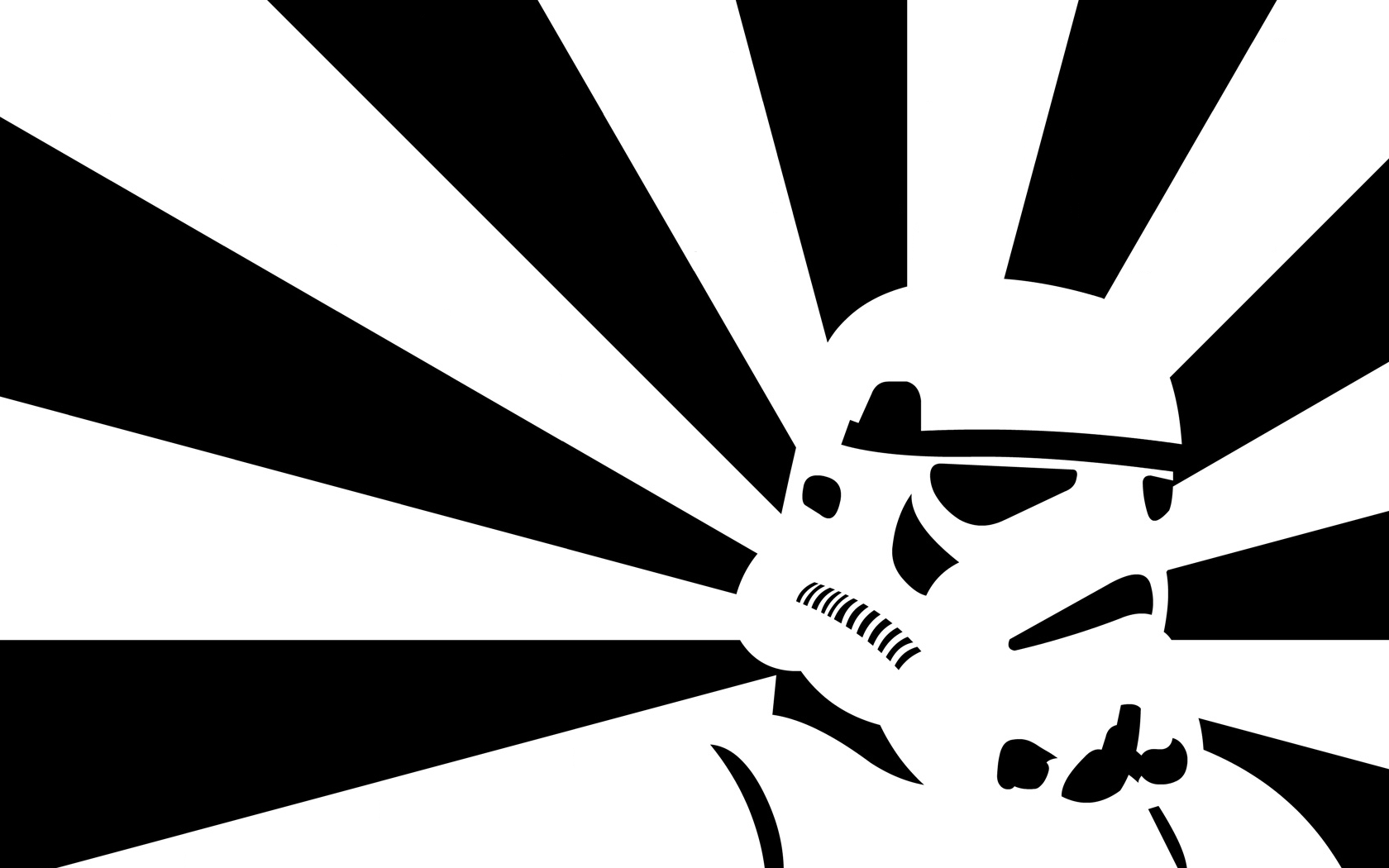
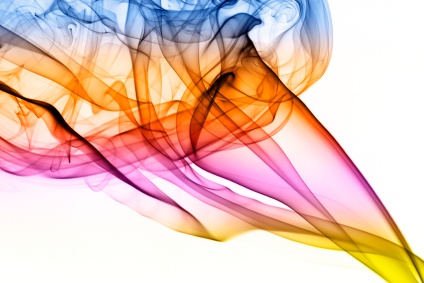
This image is a good example of which principle?
a)
value
b)
space
c)
movement
d)
contrast
25.
This image is a good example of which principle?
a)
space
b)
movement
c)
form
d)
value
26.
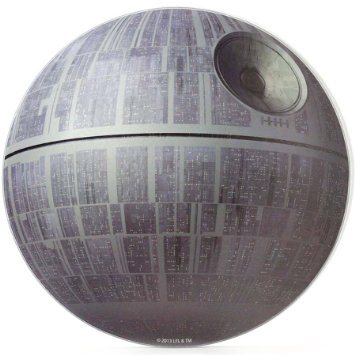
This image is a good example of which element?
*hint- three dimensional
a)
rhythm
b)
contrast
c)
form
d)
shape
27.
__________ is the repetition or alternation of elements, often with defined intervals between them.  _________ can create a sense of movement, and can establish pattern and texture.
a)
pattern
b)
value
c)
emphasis
d)
rhythm
28.
This image is a good example of which element?
a)
value
b)
balance
c)
emphasis
d)
color
29.
This image is a good example of which principle?
a)
pattern
b)
form
c)
line
d)
color
30.
__________ is the equal distribution of visual weight in a design.
a)
emphasis
b)
balance
c)
space
d)
value
31.
This image is a good example of which element?
a)
pattern
b)
unity
c)
space
d)
color
32.
_________ refers to the area around a shape or form.
a)
space
b)
color
c)
unity
d)
emphasis
33.
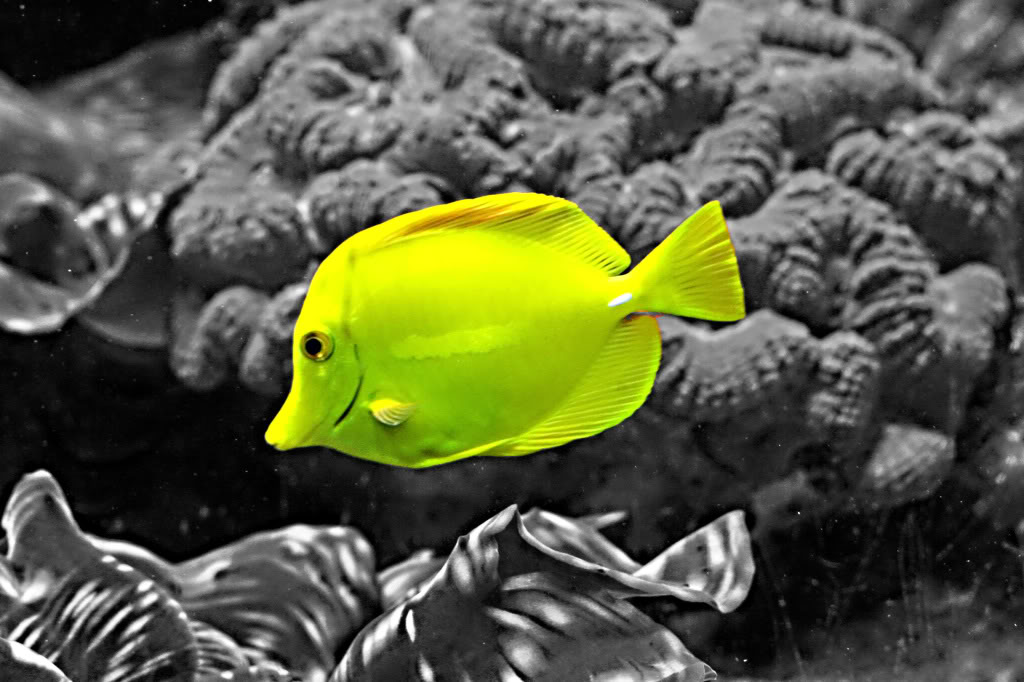
This image is a good example of what principle?
a)
space
b)
emphasis
c)
line
d)
texture
34.
Elements of Design: Shows an object in space, the mass or positive space it occupies. The term usually used when describing 3-D objects.
a)
Form
b)
Line
c)
Space
d)
Contrast
35.
Elements of Design: What is between objects, also known as negative space.
a)
Line
b)
Space
c)
Color
d)
Value
36.
Element of Design: The feel, real or implied, on an object or its surface.
a)
Color
b)
Line
c)
Form
d)
Texture
37.
Element of Design: Area enclosed when both sides of a line meet. Shapes can be geometric or organic.
a)
Line
b)
Shape
c)
Color
d)
Texture
38.
Element of Design: Hue. May be complementary, analogous, primary, secondary, tertiary, or part of a color wheel.
a)
Shape
b)
Color
c)
Line
d)
Form
39.
Element of Design: The lightness of darkness of an object or color. Often used with drawings.
a)
Form
b)
Color
c)
Value
d)
Texture
40.
Principle of Design: When one area in a work of art stands out more than another. The part that catches your attention first.
a)
Unity
b)
Emphasis
c)
Rhythm 
d)
Movement
41.
Principle of Design: The motion created in a work of art. Often uses the principle of rhythm to achieve this.
a)
Movement
b)
Unity
c)
Contrast
d)
Emphasis
42.
Principle of Design: The feeling of wholeness or the parts belonging together.
a)
Unity
b)
Rhythm
c)
Emphasis
d)
Contrast
43.
Principle of Design: The repetition of lines, shapes, or colors to create a feeling of movement.
a)
Variety
b)
Contrast
c)
Rhythm
d)
Emphasis
44.
Principle of Design: A difference created when elements are placed next to each other in a work of art.
a)
Contrast
b)
Rhythm
c)
Emphasis
d)
Unity
45.
Principle of Design: The use of different lines, shapes, and colors in a piece of work.
a)
Movement
b)
Unity
c)
Variety
d)
Contrast
46.
Element of Design: Strokes that show motion and connect two points. May be vertical, horizontal or diagonal, curved, straight, zigzag, or show emotion.
a)
Line
b)
Shape
c)
Form
d)
Space
47.
Elements of Design: Shows an object in space, the mass or positive space it occupies. The term usually used when describing 3-D objects.
a)
Form
b)
Line
c)
Space
d)
Contrast
48.

The elements of art are

a)

The vocabulary created by Isaac Newton to describe art

b)

Concepts used to organize or arrange the structural elements of design

c)

What Leonardo da Vinci had written about in his sketchbooks

d)

Ingredients used to create an artwork. Line, shape, form, texture, space, color, and value

49.

The principles of design are

a)

The ingredients used to create an artwork

b)

Concepts used to organize or arrange the structural elements of art/design

c)

What Leonardo da Vinci used to become famous

d)

The vocabulary created by Isaac Newton to describe art

50.

This uses the art elements in planed or random repetitions to enhance surfaces of art.

a)

Value

b)

Pattern

c)

Color

d)

Balance

51.

The distribution of visual weight in a work of art is known as

a)

Balance

b)

Contrast

c)

Space

d)

Emphasis

52.

This refers to differences in values, colors, textures, shapes, and other elements. Opposites on the color wheel and on a value scale also apply to this.

a)

Color

b)

Balance

c)

Contrast

d)

Value

53.

Which of the following is not an Element of art?

a)

Space

b)

Pattern

c)

Color

d)

Value

54.

Which of the following is not a Principle of Design

a)

Color

b)

Contrast

c)

Balance

d)

Emphasis

55.

This is used by artists to direct the viewer's eyes through their work often to focal areas.

a)

Balance

b)

Space

c)

Pattern

d)

Movement

56.

Line is an example of a

a)

Principle of Design

b)

Long straight thing

c)

Element of art

d)

work of art

57.

Line is an example of a

a)

Principle of Design

b)

Long straight thing

c)

Element of art

d)

work of art

58.

Which of the following is not an Element of art?

a)

Space

b)

Pattern

c)

Color

d)

Value

59.

Select ONLY the Elements of Art

a)

Line

b)

Shape

c)

Contrast

d)

Texture

e)

Emphasis

60.

What shouldn't you do to safely dispose of an old computer

a)

Throw it in the bin

b)

Recycle it

c)

delete your personal data

61.
What is the process of developing and implementing various sets of instructions to enable a computer to do a certain task?
a)
Computer Engineering
b)
Computer Programming
c)
Computer Processing
d)
Computer Science
62.
What is python?
a)
a programming language 
b)
DTP software 
c)
Spreadsheet software
d)
Computer 
63.
What does the term 'debug' mean?
a)
Identify errors and fix them.
b)
Making a calculation
c)
A set of instructions
d)
Looking at code
64.
What does the print function do in python?
a)
It's a variable.
b)
It can input data.
c)
It displays something like a string or integer
d)
It loops the code.
65.
What symbol do you use to make a comment in Python?
a)
@
b)
¬
c)
;
d)
#
66.

Python is _____ sensitive which means you must use the same indentation every time.

a)

space

b)

colour

c)

code

d)

word

67.
What is the correct definition for a VARIABLE?
a)
a changeable value, such as a score in a computer game.
b)
a value that cannot be changed
68.

A syntax error means your code has a 'grammar' mistake or you used symbols/operations incorrectly.

a)

True

b)

False

69.
What is the word (command) used to display numbers and text on the screen?
a)
print
b)
input
c)
output
d)
command
70.
What is a variable?
a)
A box(memory location) where you store values
b)
a type of graphics
c)
Data type
d)
a type of memory
71.
What symbol is used in python to assign values to a variable?
a)
equals =
b)
plus + 
c)
forward slash /
d)
asterisk *
72.

What will be the output?

name = "Dave"

print (name)

a)

Dave

b)

'Dave'

c)

name

d)

(name)

73.
What Python command lets the user enter an answer to a question?
a)
answer()
b)
open()
c)
print()
d)
input()