
NEW
Font size
 Worksheets
Aquatic Ecosystems 3
Total questions: 16
Worksheet time: 12mins
This aquatic ecosystem can be dry for part of the year.
wetland
tributary
oxbow
mouth
Which of the following is NOT a benefit of wetlands?
prevent flooding
recharge oxygen
filter pollutants
provide habitat for wildlife
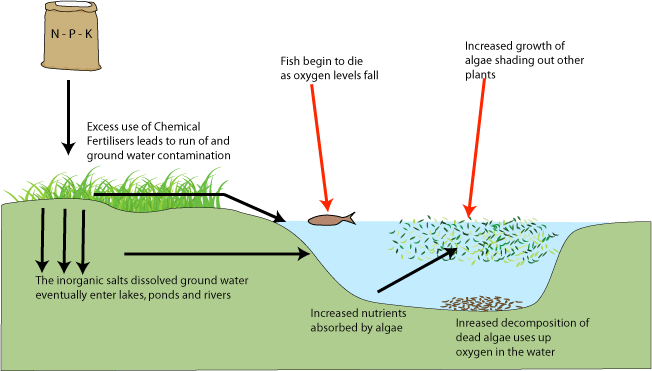
An increase in the amount of nutrients in a lake is known as
calcification
cellular respiration
eutrophication
photosynthesis
Fertilizer, sewage, and animal feces can cause eutrophication through...
thermal pollution
runoff
photosynthesis
industrial pollution
What nutrients increase the rate of algae growth and reproduction in aquatic ecosystems?
nitrates and phosphates
sulfates and ammoniates
philates and sulfates
phosphates and communicates
Which of the following is NOT a source of nitrates and phosphates into a river?
Fertilizers
Animal waste
Wastewater
Burning fossil fuels
Fungi break down dead plants and algae in water
TRUE
FALSE
In a dead zone, _________ levels are really low such that living organisms are not able to survive.
nitrogen
oxygen
fertilizer
carbon dioxide
The long term effects of a dead zone includes all of the following except for
Fisherman may struggle to catch any fish.
The crops of farmers stop growing.
The health of the fish population declines.
There is an increase in the population of decomposers such as bacteria.
Pollutants entering waterways from a general area, such as runoff from farmland or suburban communities
Thermal Pollution
Point Source Pollution
Non-point Source Pollution
Turbidity
What is called when an industry removes water from a source and then returns the heated water to its source?
Water pollution
Soil pollution
Air pollution
Thermal pollution
As the temperature of the water increases, the amount of dissolved oxygen in the water:
increases
decreases
stays the same
How does an artificial lake help in solving thermal pollution?
It stores heated water
It gives a good aesthetic view
It helps to breed fishes
It is reduces water scarcity during the summer

The area of land that drains into the nearest river is called a(n)...
runoff
aquifer
watershed
valley

