
NEW
Font size
 Worksheets
Weathering, Erosion, & Deposition
Total questions: 36
Worksheet time: 55mins
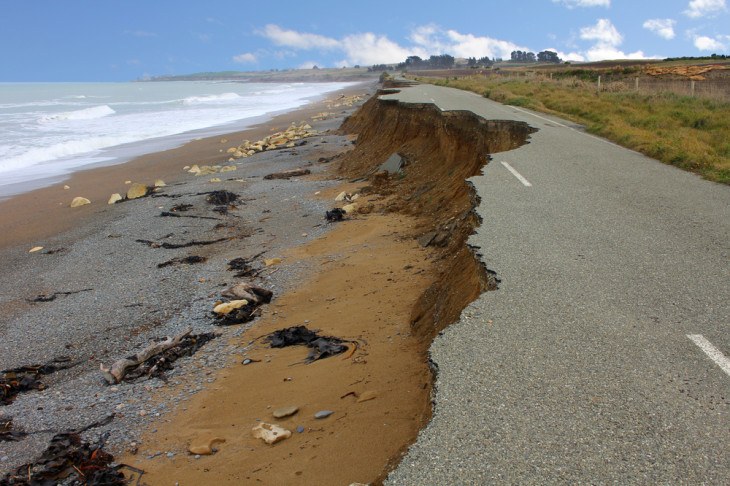
What caused this road to erode?
Strong Wind
Waves of Water
Ice
Humans digging
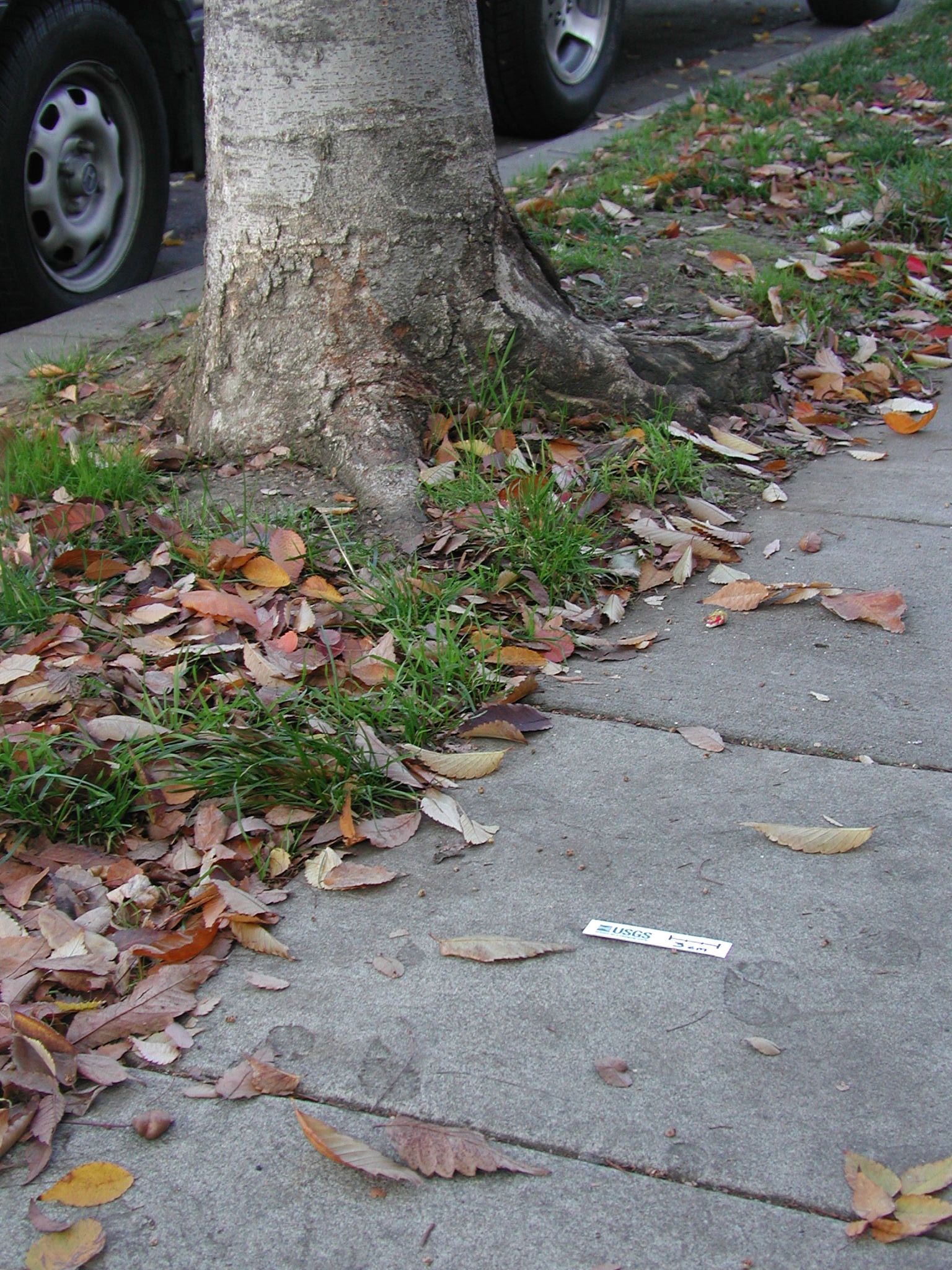
What will happen to this sidewalk if the tree continues to grow?
The roots will grow away from the sidewalk
The roots will grow and break the sidewalk into pieces.
The roots will stop growing
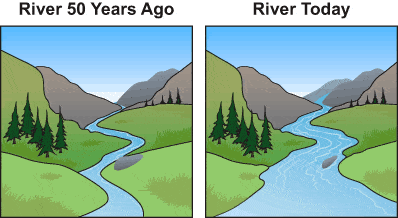
How is the river changing the valley over time?
The river is drying up, exposing rocks
The river becomes more narrow
The river freezes
The river is widening, covering more land and rocks.
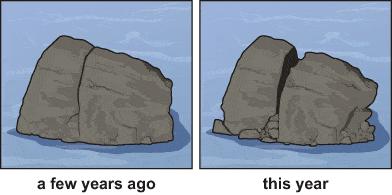
What most likely caused this rock to change?
Water got into the crack and froze many times
Wind quickly blew sand into the crack
sunlight made the rock get hot and burst
a karate chop (don't pick this)
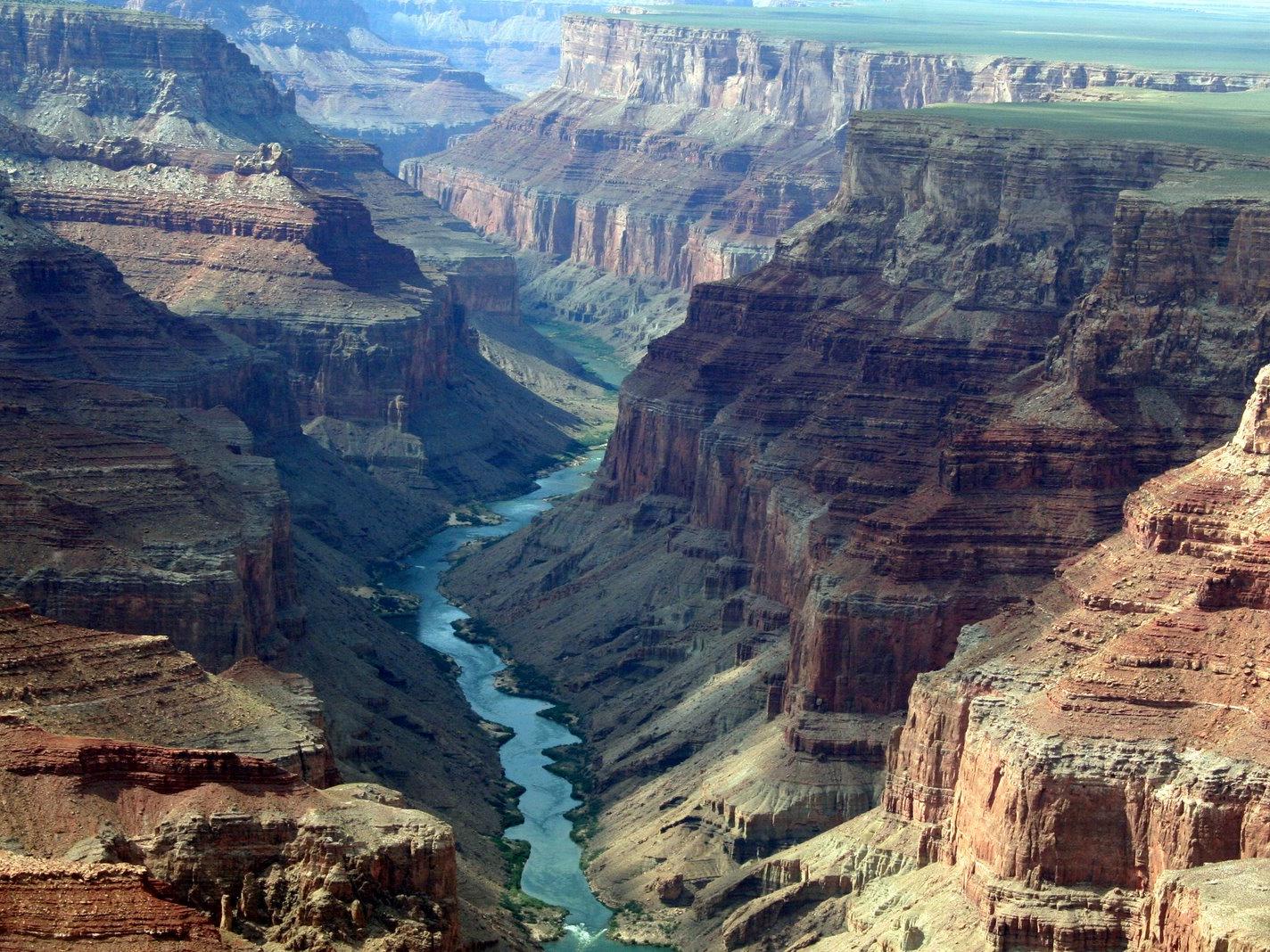
What created the Grand Canyon?
Earthquakes tore the land in half
Floods Quickly Caused landslides
Rain, wind and the river slowly carved into the rock and soil
Large erupting volcanoes
Beaches being created by waves and wind is an example of ________.
weathering
erosion
deposition
Wind blowing sand in a desert is an example of ________.
Weathering
Erosion
Deposition
Rocks and mud flowing down a hill in a mudslide is an example of ______.
weathering
erosion
deposition

Water freezing in a rock and widening a crack is an example of ________.
weathering
erosion
deposition
Do weathering and erosion normally happen quickly?
Yes
No
Flowers bloomed along the bank of the river, but after a heavy rainstorm, the flowers and a large section of the soil in which they grew is gone. Which process caused this?
Weathering
Erosion
Deposition
When we walk along the seashore, we look for shark teeth in the sand. Sometimes we also find unbroken sand dollars, too. Which process puts them on the beach?
Weathering
Erosion
Deposition
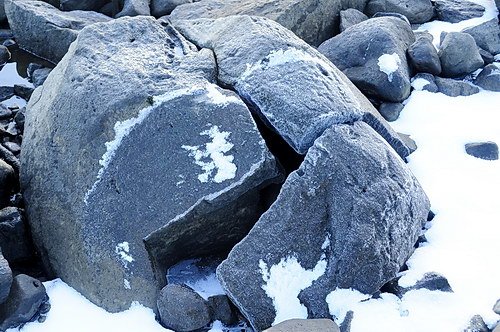
How does freezing water cause the weathering of rocks? The freezing water ______.
keeps the rocks in place.
makes the rocks last longer.
expands cracks and breaks rocks.
causes rocks to fall in landslides.
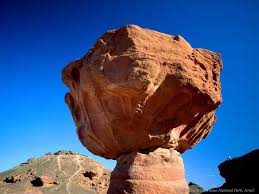
The process that breaks down rocks and other materials on Earth's surface is called
Weathering
Erosion
Deposition
Decomposition

Over long periods of time, deposition may change the Earth’s surface by _____.
forming new land features.
breaking down large rocks into smaller ones.
washing away beaches.
moving topsoil.

A cliff formed near the ocean. Which statement best describes how this cliff formed?
Warm air melted the rock.
Sun rays evaporated the rock.
Ocean waves washed away rock.
Plant roots pushed away the rock.


What causes the greatest erosion effect on our beaches?
Waves
Gravity
Glaciers
Wind

What is an enormous mass of ice moving over land, causing weathering of rock and soil?
A glacier
An iceberg
An ice wedge
A sand dune
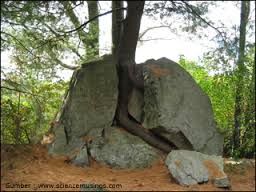
How do plants weather rocks?
During photosynthesis
When roots grow into cracks of rocks and expand the rock breaks.
When the plant moves water from the roots to the leaves, the rock breaks.
Plants don't weather rocks.

Which of the following is NOT a slow change to Earth's surface?
Weathering
Erosion
Deposition
Landslides

A delta at the end of a river is formed by the action of _____.
weathering
erosion
deposition
condensation
Some causes of weathering are water, wind, ice, temperature and plant roots.
true
false


_____ is the process by which soil and sediment (weathered rock) are transported (moved) from one place to another by water, wind, glaciers, and gravity
Erosion
Deposition
Weathering
Running Water

A farmer's topsoil is blown away during a hurricane is an example of ___________.
weathering
erosion
deposition

Rocks being picked up and carried downstream is an example of ____________.
weathering
erosion
deposition

Wind blasting sand at rock and carving out arches is an example of _____.
weathering
erosion
deposition

The landform below is a sea arch. It could be included as evidence to support which of the following statements?
Earthquakes are constructive forces that build landforms on the coast quickly.
Waves are constructive forces that deposit sand and sediments on the coast slowly.
Earthquakes are destructive forces that cause breakage of rock formations near the oceans.
Waves are destructive forces that over time can wear away at the earth’s coast and change its shape.
Which process is most likely to create new land in a short period of time?
glacial movement
volcanic eruption
thunderstorm
earthquake
Which example describes a method that could be used to prevent erosion on a hill?
add extra dirt at the top of a hill
make the hill steeper
plant trees or plants along the hill
put stones at the bottom of a hill

