
NEW
Font size
S
M
L
XL
 Worksheets
Int Des 1 Obj 2 Review
Total questions: 63
Worksheet time: 1hrs 5mins
Name
Class
Date
1.
A room with light blue walls, white furniture, and navy accents is an example of which color harmony?
a)
Monochromatic
b)
Neutral
c)
Split-Complementary
d)
Triadic
2.
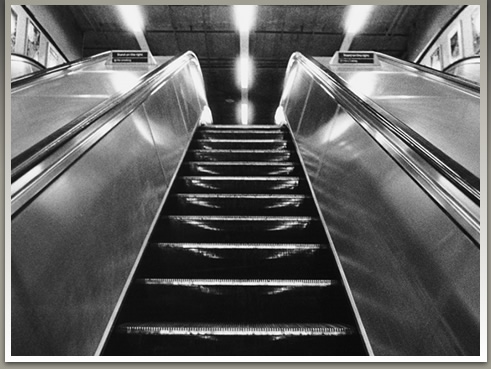
This image is a good example of which element?
a)
movement
b)
pattern
c)
line
d)
form
3.
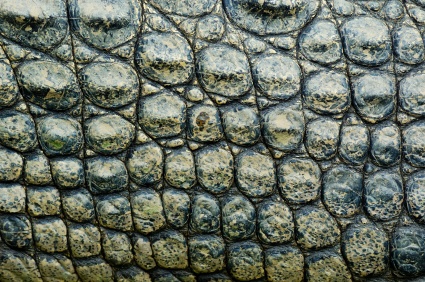
The image is a good example of which element?
a)
pattern
b)
texture
c)
shape
d)
emphasis
4.
This principle can be defined as: the relationship among the elements of a visual that helps all the elements function together.
a)
unity
b)
form
c)
shape
d)
balance
5.
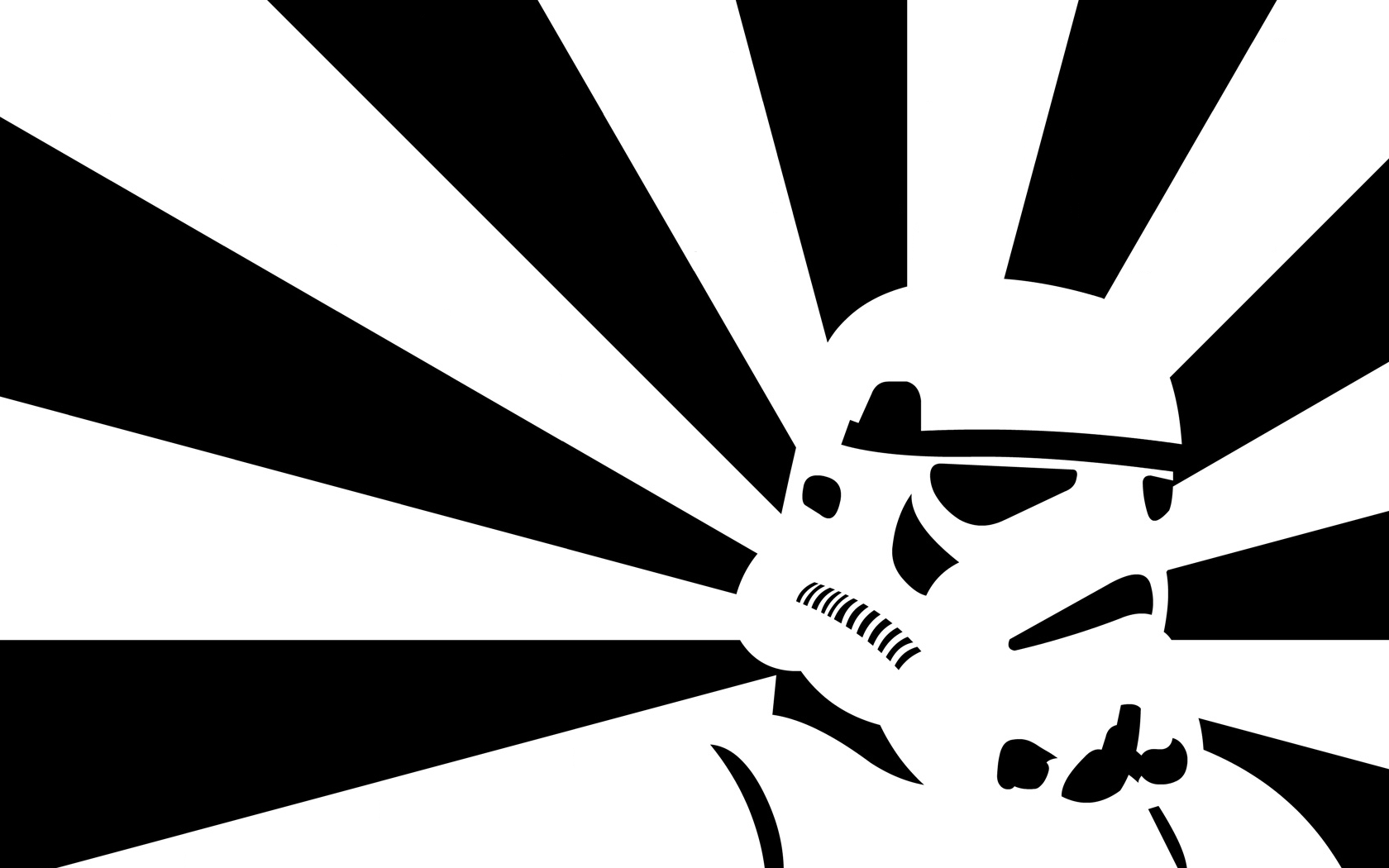
This image is a good example of which principle?
a)
value
b)
space
c)
movement
d)
contrast
6.
This image is a good example of which principle?
a)
value
b)
space
c)
movement
d)
contrast
7.
A __________ is an area that stands out from the space next to or around it due to a defined or implied boundary, or because of differences of value, color, or texture.
*hint- two dimensional
*hint- two dimensional
a)
shape
b)
form
c)
emphasis
d)
value
8.
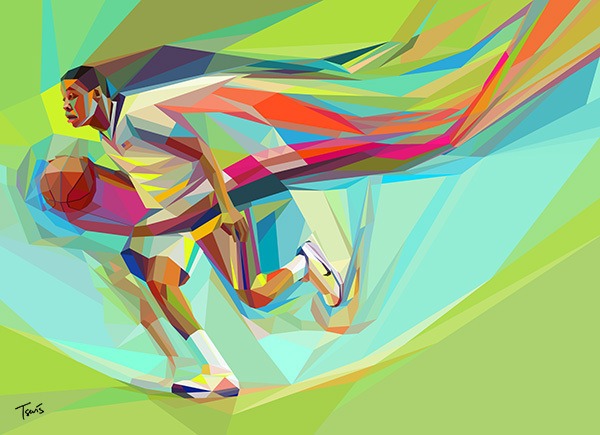
This image is a good example of which principle?
a)
space
b)
movement
c)
form
d)
value
9.
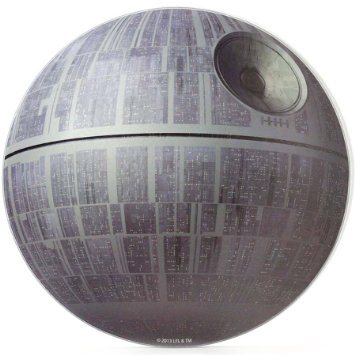
This image is a good example of which element?
*hint- three dimensional
*hint- three dimensional
a)
rhythm
b)
contrast
c)
form
d)
shape
10.
__________ is the repetition or alternation of elements, often with defined intervals between them. _________ can create a sense of movement, and can establish pattern and texture.
a)
pattern
b)
value
c)
emphasis
d)
rhythm
11.
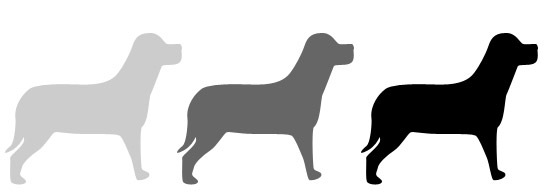
This image is a good example of which element?
a)
value
b)
balance
c)
emphasis
d)
color
12.

This image is a good example of which principle?
a)
pattern
b)
form
c)
line
d)
color
13.
__________ is the equal distribution of visual weight in a design.
a)
emphasis
b)
balance
c)
space
d)
value
14.
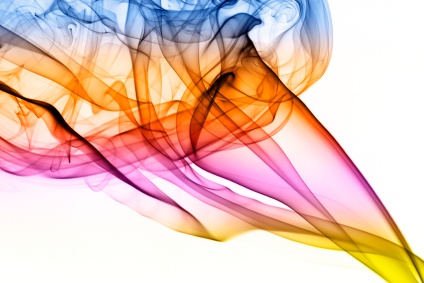
This image is a good example of which element?
a)
pattern
b)
unity
c)
space
d)
color
15.
_________ refers to the area around a shape or form.
a)
space
b)
color
c)
unity
d)
emphasis
16.
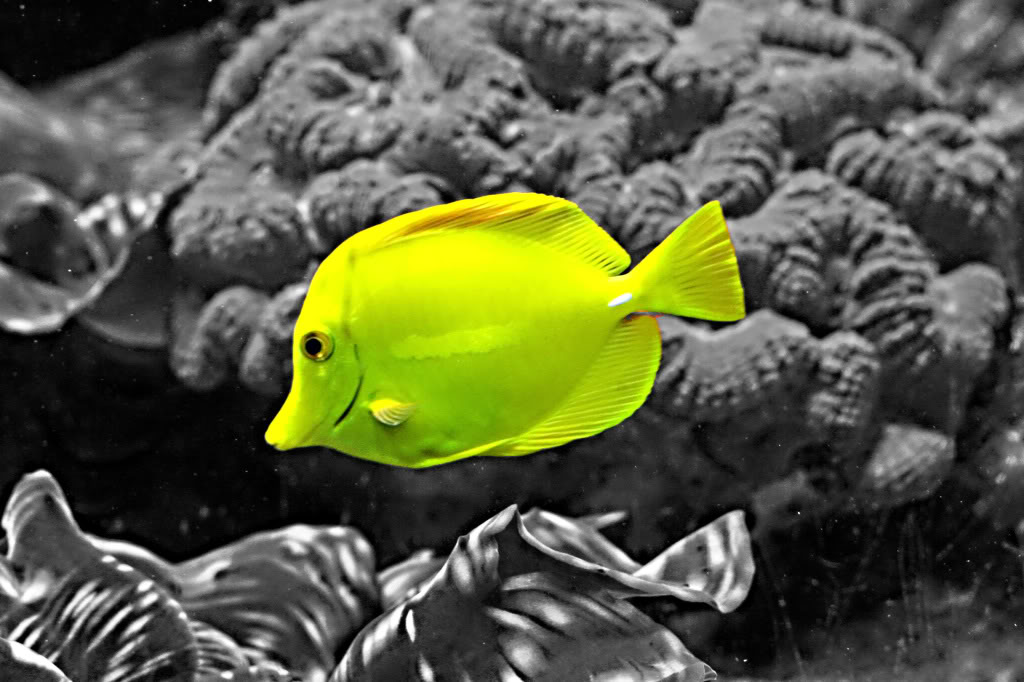
This image is a good example of what principle?
a)
space
b)
emphasis
c)
line
d)
texture
17.
__________ is the repetition or alternation of elements, often with defined intervals between them. _________ can create a sense of movement, and can establish pattern and texture.
a)
pattern
b)
value
c)
emphasis
d)
rhythm
18.
This image is a good example of which element?
a)
value
b)
balance
c)
emphasis
d)
color
19.
This image is a good example of which principle?
a)
pattern
b)
form
c)
line
d)
color
20.
__________ is the equal distribution of visual weight in a design.
a)
emphasis
b)
balance
c)
space
d)
value
21.
This image is a good example of which element?
a)
pattern
b)
unity
c)
space
d)
color
22.
_________ refers to the area around a shape or form.
a)
space
b)
color
c)
unity
d)
emphasis
23.

The picture shows an example of ...
a)
horizontal lines
b)
vertical lines
c)
zigzag lines
d)
curved lines
24.

This picture shows what type of balance?
a)
radial
b)
symmetrical
c)
asymmetrical
d)
rock
25.
The relative size and scale of the various
elements in a design refers to ...
a)
balance
b)
proportion
c)
color
d)
unity
26.
Which of the following is not an example of how to create emphasis...?
a)
Make one element larger
b)
Make all items the same size
c)
Use various colors
d)
Use different styles of type
27.
The primary colors are?
a)
Red, Yellow, and Orange
b)
Orange,Green, and Purple
c)
Blue, Red, and Yellow
d)
Orange, Red, and Blue
28.
Line, color, value, texture, shape, form, and space are considered...
a)
elements of design
b)
principles of design
29.
Balance, pattern, movement, emphasis, rhythm, unity, and contrast are considered...
a)
principles of design
b)
elements of design
30.
_____ refers to the lightness or darkness of a color.
a)
Shape
b)
Value
c)
Intensity
d)
Texture
31.

Element of Design: Strokes that show motion and connect two points. May be vertical, horizontal or diagonal, curved, straight, zigzag, or show emotion.
a)
Line
b)
Shape
c)
Form
d)
Space
32.

Elements of Design: Shows an object in space, the mass or positive space it occupies. The term usually used when describing 3-D objects.
a)
Form
b)
Line
c)
Space
d)
Contrast
33.

Elements of Design: What is between objects, also known as negative space.
a)
Line
b)
Space
c)
Color
d)
Value
34.

Element of Design: The feel, real or implied, on an object or its surface.
a)
Color
b)
Line
c)
Form
d)
Texture
35.

Element of Design: Area enclosed when both sides of a line meet. Shapes can be geometric or organic.
a)
Line
b)
Shape
c)
Color
d)
Texture
36.

Element of Design: Hue. May be complementary, analogous, primary, secondary, tertiary, or part of a color wheel.
a)
Shape
b)
Color
c)
Line
d)
Form
37.

Element of Design: The lightness of darkness of an object or color. Often used with drawings.
a)
Form
b)
Color
c)
Value
d)
Texture
38.

Principle of Design: When one area in a work of art stands out more than another. The part that catches your attention first.
a)
Unity
b)
Emphasis
c)
Rhythm
d)
Movement
39.

Principle of Design: The motion created in a work of art. Often uses the principle of rhythm to achieve this.
a)
Movement
b)
Unity
c)
Contrast
d)
Emphasis
40.

Principle of Design: The feeling of wholeness or the parts belonging together.
a)
Unity
b)
Rhythm
c)
Emphasis
d)
Contrast
41.

Principle of Design: The repetition of lines, shapes, or colors to create a feeling of movement.
a)
Variety
b)
Contrast
c)
Rhythm
d)
Emphasis
42.

Principle of Design: A difference created when elements are placed next to each other in a work of art.
a)
Contrast
b)
Rhythm
c)
Emphasis
d)
Unity
43.

Principle of Design: The use of different lines, shapes, and colors in a piece of work.
a)
Movement
b)
Unity
c)
Variety
d)
Contrast
44.

Which element does this picture illustrate?
a)
line
b)
texture
c)
color
d)
shape
45.

Which of the following words would describe texture?
a)
red
b)
diagonal
c)
horizontal
d)
smooth
46.
_______ can be curved, zig zag, or geometric (straight).
a)
color
b)
Space
c)
Form
d)
line
47.

What color scheme is used in this painting?
a)
Secondary colors
b)
Warm colors
c)
Cool Colors
d)
Primary Colors
48.
The overall geometric outline of the object or garment.
a)
Shape
b)
Texture
c)
Space
d)
Triangle
49.
These colors are restful, calm and relaxing.
a)
Hue
b)
Primary colors
c)
Cool colors
d)
Warm colors
50.
These colors are bright, vibrant, and alive.
a)
Hue
b)
Primary colors
c)
Cool colors
d)
Warm colors
51.
What color depicts these psychological effects - friendly, happy, warm, and wise?
a)
green
b)
purple/violet
c)
blue
d)
yellow
52.
What color depicts these psychological effects - dignified, mysterious, and dramatic ?
a)
white
b)
purple/violet
c)
blue
d)
yellow
53.
What color depicts these psychological effects - fresh, peace, youth, innocence, and pure ?
a)
white
b)
purple/violet
c)
blue
d)
yellow
54.
What color depicts these psychological effects - power, danger, fire, strength, and passion?
a)
green
b)
yellow
c)
red
d)
black
55.
What color depicts these psychological effects - •sophisticated, mysterious, dramatic, wise, evil, and death?
a)
green
b)
yellow
c)
red
d)
black
56.
What color depicts these psychological effects - cool, quiet, reserved, tranquil, and formal ?
a)
green
b)
blue
c)
red
d)
orange
57.
What color depicts these psychological effects - refreshing, friendly, cool, and peaceful ?
a)
green
b)
blue
c)
red
d)
orange
58.
What color depicts these psychological effects - hope, cheer, warmth, courage, and hospitality?
a)
green
b)
blue
c)
red
d)
orange
59.

•Furniture placed by the wall makes the room appear __________.
a)
cluttered
b)
inviting
c)
spacious
d)
groovy
60.

Having too many shapes can make a room ____________.
a)
cozy
b)
uncomfortable
c)
comfortable
d)
cool
61.
__________ have the greatest effect on the appearance of a room. They give life and personality to it.
a)
Shapes
b)
Lines
c)
Textures
d)
Colors
62.
Bright and light colors may make a room appear _________ while dark and dull colors may make a room appear _________.
a)
smaller/larger
b)
larger/smaller
c)
cozy/inviting
d)
happy/sad
63.

_____________ have the greatest effect on the appearance of a room. They give life and personality to it.
a)
Colors
b)
Lines
c)
Shapes
d)
Textures
Reset

