
 Worksheets
Energy Transformations
Total questions: 49
Worksheet time: 36mins
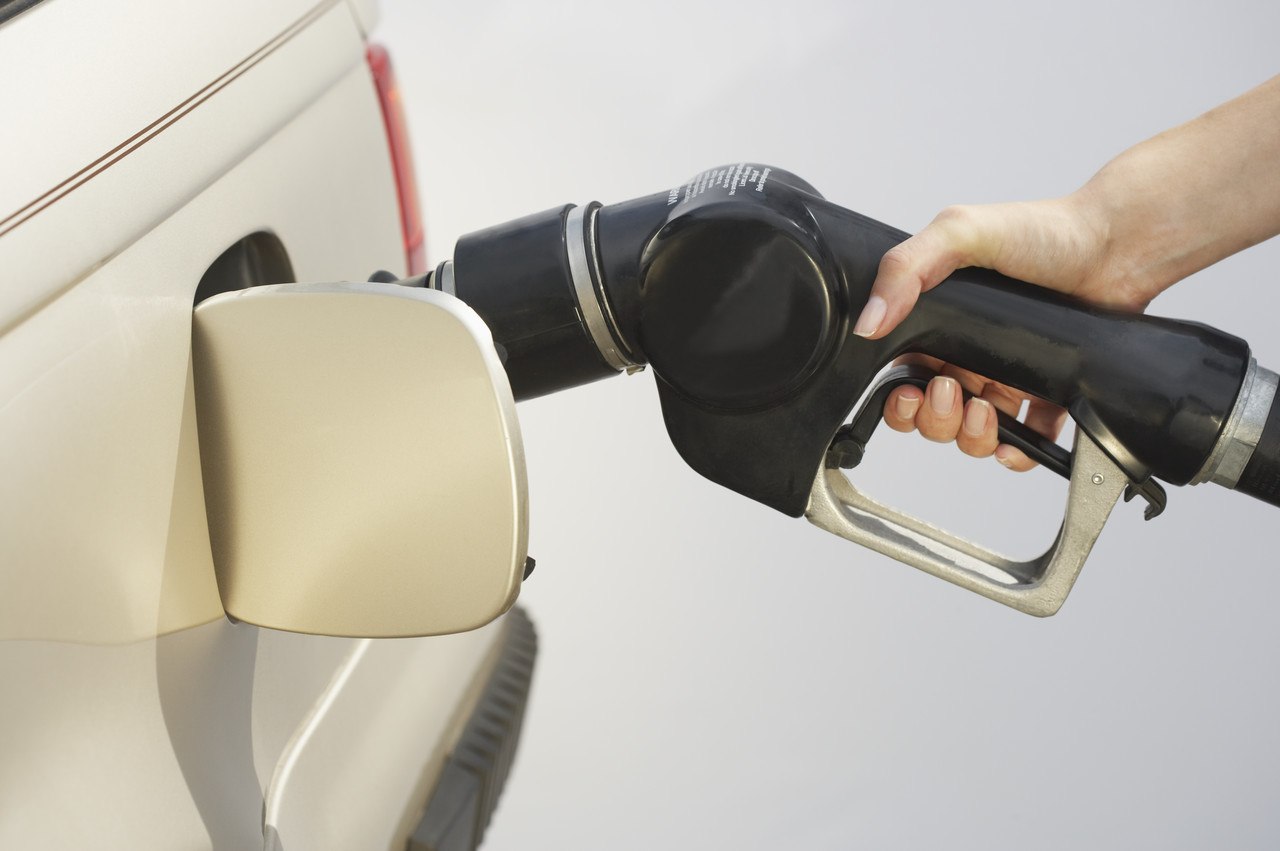



The picture showing the energy conversion
Chemical → heat
is:


What is the energy transformation in the picture
Electrical to thermal
Dads home 2
Electrical to mechanical
Mechanical to electrical

Which of the following is an example of kinetic energy?
A rock at the top of a hill.
Water falling down a waterfall.
A pencil sitting on a desk.
A backpack on the ground.
What energy conversions take place when you vigorously rub your hands together?
friction => heat
chemical => thermal
mechanical => thermal
kinetic => chemical

Nuclear energy is stored in the ___ of an atom.
proton
neutron
electron cloud
nucleus
One advantage to using nuclear power is
the process of correctly disposing of the waste
the expense of constructing nuclear reactors
it produces no air pollution
the threat of an accident
The process of splitting an atom’s nucleus and releasing a large amount of energy is called —
nuclear meltdown
nuclear isotope
nuclear fission
nuclear fusion
All of the following are advantages of using nuclear power EXCEPT —
They do not contribute to the process of global warming.
They produce more energy per gram of fuel.
They produce no air pollution.
They are less expensive to build and operate than coal-burning power plants.
True or False? We are currently using nuclear fusion in our country. Hopefully we can develop nuclear fission as a sustainable resource in our lifetime.
True
False

Which process is best described in the graphic?
nuclear fission
nuclear mitosis
nuclear fusion
nuclear meltdown

The roller coaster cart has the most kinetic energy at position
X
W
Y
Z

What kind of energy is being shown in the picture?
Light
Gravitational
Potential
Kinetic

As the ball is dropped, the potential energy decreases while the kinetic energy increases however the amount of energy stays the same.
True
False

The rock has kinetic energy.
True
False
Which is the best example of kinetic energy?
A car sitting on top of a hill
A skateboard on the sidewalk
A wagon rolling down a hill
A powerwheel parked in the yard

Which two points have the same potential energy?
U & V
S & T
T & X
S & X

How does energy change?
The cart has more kinetic energy at the top than when it is going down the hill.
The cart has potential energy at the top while kinetic energy increases going down.
The cart has potential energy that is lost going down the hill.
The cart has kinetic energy at the top of the hill and no potential energy.

Which description of the energy conversions in this process is correct?
The chemical energy in the fuel-air mixture is converted to thermal energy, which is then converted to mechanical energy
The mechanical energy in the fuel-air mixture is converted to electrical energy, which is then converted to thermal energy
The electrical energy in the fuel-air mixture is converted to mechanical energy, which is then converted to thermal energy
The thermal energy in the fuel-air mixture is converted to electrical energy, which is then converted to mechanical energy

Students build a circuit that has wires that connects a battery to a switch and a fan.
Which energy transformations happen when the students close the circuit and the blades of the fan begin to spin?
Chemical to mechanical to electrical
Electrical to chemical to mechanical
Chemical to electrical to mechanical
Mechanical to electrical to chemical

Which energy transformation happens when the blades are spinning as shown?
Electrical to mechanical
Chemical to electrical
Mechanical to electrical
Chemical to mechanical

A cook heats a meal in a microwave oven. What energy transformations occur between the microwave oven and the meal?
Electrical energy to light energy to chemical energy
Chemical energy to thermal energy to light energy
Electrical energy to electromagnetic energy to thermal energy
Chemical energy to electromagnetic energy to chemical energy

A teacher rubbed a match against a piece of sandpaper. The match started to burn. Which statement best describes the energy changes that occurred?
The chemical energy stored in the match changed to thermal energy and light energy
The thermal energy stored in the match changed to light energy and chemical energy
The light energy and thermal energy stored in the match changed to mechanical energy
The light energy and thermal energy stored in the match changed to chemical energy

This appliance dries clothes primarily by converting -
electrical energy to heat and mechanical energy
mechanical energy to heat and electrical energy
electrical energy to heat and light
mechanical energy to heat and vaporization

When a lion eats a zebra and then uses the energy from the zebra to run, the lion's body converts =-
chemical energy to mechanical energy
electrical energy to chemical energy
chemical energy to light energy
mechanical energy to chemical energy

What energy transformations occur when propane gas is used to lift the balloon?
Mechanical -> light -> chemical
Chemical -> mechanical -> thermal
Thermal -> chemical -> light
Chemical -> thermal -> mechanical
Electrical Energy
Electrical Outlet
Chemical Energy
Battery
Mechanical Energy
Movement
Thermal Energy
Heat

Chemical Energy

Thermal Energy

Light Energy

Mechanical Energy

What energy transformations occur when a solar panel is used to power a fan?
Light energy to electrical energy to mechanical energy
Electrical energy to light energy to mechanical energy
Mechanical energy to electrical energy to light energy
Light energy to mechanical energy to electrical energy

What energy transformations occur when a flashlight is turned on?
Chemical energy to electrical energy to light energy
Electrical energy to chemical energy to light energy
Light energy to electrical energy to chemical energy
Electrical energy to light energy to chemical energy

What energy transformations occur when a wind turbine is spinning?
Mechanical energy to electrical energy
Electrical energy to mechanical energy
Thermal energy to mechanical energy
Chemical energy to mechanical energy
Battery
Gasoline
Driving a car
Riding a bicycle
Sharpening a pencil
Stretched Rubber Band
Turning on a lightbulb
The Sun
Vibrations produce _______ energy.
chemical
sound
potential
light
Which of the following is an example of kinetic energy?
A rock at the top of a hill.
Water falling down a waterfall.
A pencil sitting on a desk.
A backpack on the ground.
Electrical → Mechanical → Sound
Which device were the students most likely observing?

