
 Worksheets
Ancient China Review
Total questions: 99
Worksheet time: 1hrs 11mins

the belief that the right to rule comes from the gods
Mandate of Heaven
philosophy
aristocrats
ancestors

the study of the basic ideas and beliefs of a society
philosophy
warlord
aristocrats
ancestors

Along what river did China's earliest civilizations develop?
Huang He (Yellow)
Indus
Yangtze
Nile

What is the name for the system of rise and fall of Chinese ruling families?
Dynastic Cycle
Mandate of Heaven
Dynastic Change
Mandate of Dynasties

What religion was spread to China on the Silk Road?
Christianity
Buddhism
Islam
Hinduism

How did the Silk Road effect China?
China became wealthy
China ended farmed
China started a war
China stopped trading
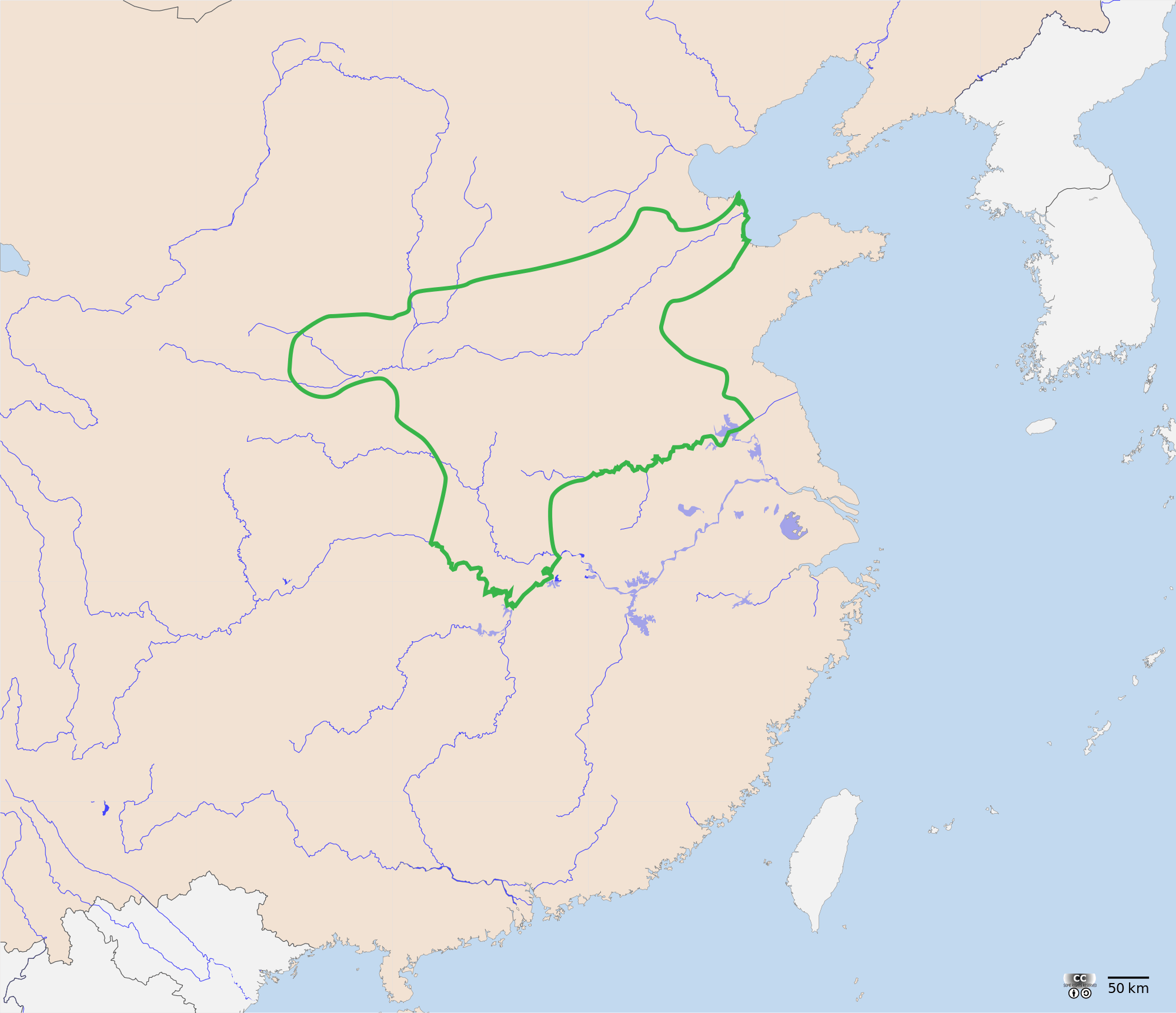

How did geography affect the development of Chinese culture? (7.19)
Long coastlines made access to trade possible.
Flat land made travel easy.
Great Wall of China made travel along the top easier for traders.
Tall mountains and deserts isolated China from other nations.

What was the main message of Daoism?
People should use laws to create order in society.
People should set a good example to others.
People should live in harmony or balance with nature.
People should avoid contact with others.
What did legalists believe would create order
Strong family structures
Harsh punishments
Strong rulers
Democratic government
How did Buddhism get to China?
Wu Di created a new way of thinking and made it a religion.
People traveling on the Silk Road brought the ideas and teachings back to the capital.
The Buddhists invaded and forced the people to believe.

What emperor started the Great wall
Qin
Shang
Zhou
Han
Why did Emperor Qin want to build the wall?
Protect China from invaders
Keep his citizens busy
Punish criminals
To amaze people

The Silk road existed on which continents.
Africa
Asia
Europe
North America
South America
A Special kind of writing in Ancient China is known as...
Hieroglyphs
Cuneiform
Calligraphy
Sanskrit
The process by which people in ancient China were taught to obey their parents and to be respectful to elders is known as...
Dynasty
Meritocracy
Filial Piety
Riensha
What is the term that gave dynasties their legitimacy through approval from the gods?
Oracle Bones
Mandate of Heaven
Dynastic Cycle
Filial Piety
This Philosophy believes people are bad, and that harsh laws will keep people from being bad.
Confucianism
Taoism
Legalism
Daoism
True or False: The Grand Canal is the largest man made waterway in the world.
True
False
The Oracle bones are:
The earliest written record from ancient China.
Written record carved on animal bones and turtle shells.
Records Shang kings used to try to tell the future.
All of the above.
Why is the Huang River yellow?
It reflects the yellow light of the moon
Yellow flowers grow on its banks
It reflects the yellow light of the sun
Yellow silt is dissolved in the river water
What were oracle bones?
Pieces of bone or turtle shell used to predict the future
Fancy jewelry for people to wear
Pieces of tree bark used to predict the future
Porcelain
What was the Terracotta Army?
A collection of turtles Qin Shi Huang had
A collection of life size clay sculptures
The soldiers who protected the Great Wall
A collection of bronze sculptures
What is the Silk Road?
Trade routes that led from China to Rome
Trade routes that led from North America to South America
A road of silk
Trade routes that led from Asia to Alaska
What is a dynasty?
Civil service
Two crops are grown on the same land in the same year
A series of rulers that belong to the same family
A picture that represents a word

What physical feature is located at 5?
Yangtze River
Himalaya Mountains
North China Plain
Huang He River (Yellow River)

What physical feature is located at #8?
South China Sea
Gobi Desert
Plateau of Tibet
North China Plain

What physical feature is located at #4?
North China Plain
Taklamakan Desert
Gobi Desert
Himalaya Mountains
Which of this items were a main export of Ancient China?
Silk
Glass
Woal
Spices
Philosophy that stressed living in harmony with the Dao, the guiding force of all reality. People should live happily with nature.
Daoism
Taoism
Buddhism
Confucianism
Philosophy that believed that people were bad by nature and needed to be controlled by government.
Legalism
Daoism
Confucianism
Hinduism
Why was the Yellow River such a big influence on developing the Chinese civilization?
Provides water for farming
Provides silt that helped them grow food.
Without the silt and the river people couldn't grow food.
All of the above.

Why did people first settle near a river?
It provided fertile soil for farming.
It offered protection from enemies.
It was a cooler location.
It was a place to explore.

One crop grown in abundance in the Yangtze River region was -
wheat
papyrus
rice
flax

Which two ancient Chinese inventions were used in war?
fireworks
silk cloth
papyrus paper
kites

The "Four Great Inventions" of Ancient China were gunpowder, paper, woodblock printing, and the compass.
True
False

Two other inventions of Ancient China are silk and the seismograph.
True
False
What did the ancient Chinese place the greatest amount of value on?
gold
silk
family
food

Daoists believe the government should _________________________ in peoples' lives.
bring harmony
make changes
be important
not interfere
Who did the Chinese pray to?
Dragons
Animals
Ancestors
River Spirits
What was called China's Secret
Bronze Molds
Jade
Porcelain
Silk
Why did other countries import silk
It was soft and strong
It was good for their skin
Only China had silkworms to make it
They had cotton which China needed


The beliefs, customs, and way of life of a group of people
Region
Climate
Culture
Irrigation
Act of supplying land with water by artificial means.
Levee
River
Environment
Irrigation
I am a philosopher who believes all people should respect their elders. The elders should set a good example for those below them. I also believe a good education is important.
Confucius
Shi Huangdi
Laozi
Han Feizi
The deserts, mountain ranges, and large bodies of water helped China
Isolate themselves from the rest of the world
Expand trade with other civilizations
Create the Silk Road
Large group of traders that travel together for protection
Confucianism
Caravan
Daoism
Dynasty
Learning through nature, rather than society
Daoism
Legalism
Confucianism
Buddhism
Which was the most common problem for travelers along the Silk road?
getting lost
lack of food or water
bandits
attack from animals

What effect did trade along the Silk Road have on the civilizations involved?
Ideas and goods were exchanged between cultures
People of the Indus River Valley learned to build walls to control flooding
Shi Huangdi built the Great Wall
More civilizations were able to able to achieve a stable food supply

Which philosophy or religion is based on ancestor worship and living in balance and harmony with nature?
Hinduism
Confucianism
Buddhism
Taoism

Which of the Four Great Inventions is shown in this image?
Papermaking
Compass
Gunpowder
Printing

What discovery during the Tang and Ming dynasties allowed Chinese literature to reach a new heights of importance?
People were bored and looking for entertainment
The government paid writers
The Chinese population increased
Printing was invented

Which of these achievements did NOT come from China?
Gunpowder
Plastic Surgery
Seismograph
Porcelain

How did early Chinese civilizations determine who would work in government positions?
Positions were given to people related to the emperor who had demonstrated loyalty while serving in the military
Positions were given to people who scored the best on a civil service exam
Positions were given to people who had relatives working in the government
Positions were given to people from the wealthiest families who gave money to support the government

Which of the following correctly describes similarities between Egypt, the Fertile Crescent, India, and China?
They depended on rivers to provide fertile soil, irrigation, and transportation
Their economy was supported by making medicines from oracle bones
They wrote hieroglyphics on paper made from trees
They had divine kingship



