
 Worksheets
Separation Techniques
Total questions: 20
Worksheet time: 14mins
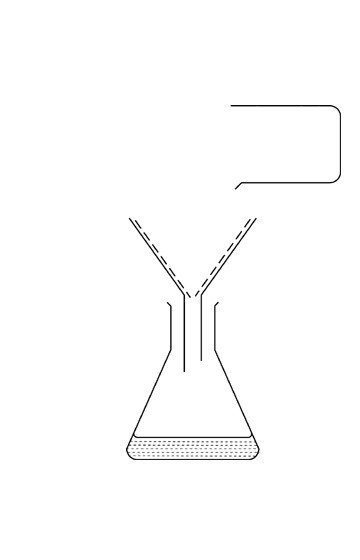
What is the name of this separation technique?
distillation
filtration
evaporation
chromatography
Which separation technique is used to obtain salt from seawater?
Simple distillation
Filtration
Chromatography
Evaporation

What separation technique does the picture show?
Sieving
filtering
magnetic separation
Distillation

Name the separation technique
Centrifuge
Bunsen burner
Distillation
Evaporation

Name the separation technique
Distillation
Crystallisation
Magnetic Separation
Condensation
True or false: Filtration can be used to separate substances in a solution
True
False
In a salt water solution ...
Salt is the solute and water is the solvent
Salt is the solvent and water is the solute

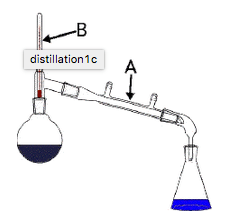
What is the method suitable to obtain pure water from seawater.
Simple distillation
Fractional distillation
Filtration
Evaporation to dryness
What method would you use to separate a mixture of salt and water so that you can get keep the salt AND the water?
sorting by hand
distillation
chromatography
No matter what you do, sand will not dissolve in water, because sand is _________.
dissolved
soluble
insoluble
aqueous
Which part of a filtration is the "filtrate"?
The filter paper
The solid material left in the funnel
The liquid that has gone through
The conical flask
Distillation is used to separate ______.
a liquid from its solution.
an insoluble solid from its solution.
a soluble solid from its solution.
Distillation is made up of ___.
evaporation, then condensation
condensation, then evaporation
boiling, then condensation
condensation, then boiling
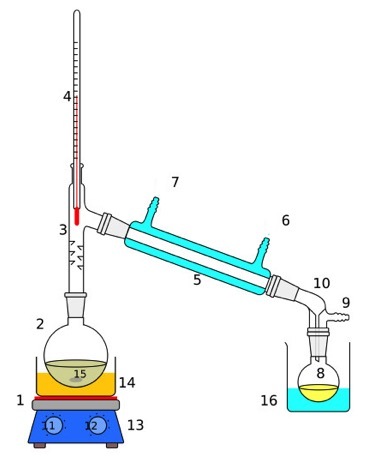
What is 6 and 7?
6: water in / 7: water out
6: water out / 7: water in

What is 8?
distillate
filtrate
residue
solute

