
 Worksheets
Micro-Review: U1 L3
Total questions: 20
Worksheet time: 13mins
What are the inputs to cellular respiration?
glucose & carbon dioxide
glucose & oxygen
water & oxygen
water & carbon dioxide
The purpose of cellular respiration is to
make water
make ATP (energy)
make glucose
make oxygen
Which of these is a product of cellular respiration?
ATP
Carbon dioxide
Water
All of these are a product of cellular respiration
The variable the is changed on purpose in an experiment is the
Constant
Control Group
Independent Variable
Dependent Variable

What is the INDEPENDENT variable (cause) in this experiment?
"Which type of metal, copper or aluminum, conducts heat faster?"
size of metal
types of metal
time it takes to heat up
shape of the metal

A scientist is testing the impact of light and dark on the moth behavior by turning a light on and off. The DEPENDENT variable is...
amount of light
moth behavior/their reaction
number of moths
What are all the things that are kept the same in an experiment?
control group
dependent variables
constants or fixed variables
independent variables

Students wanted to see if the type of material affected the temperature after being placed under a heat lamp for 10 minutes.
What is the dependent variable for this investigation?
Type of material (rocks, sand etc)
Temperature after 10 minutes
Time under the lamp
Heat lamp, amount of material
The only externally visible part of the respiratory system
Eyes
Nose
Pharynx
Larynx
How does the heart work?
It pumps blood first to the lungs, back to the heart and then around the rest of the body.
It pumps blood first to the rest of the body, back to the lungs and then to the heart.
It pumps blood around the rest of the body, back to the heart and then to the lungs,
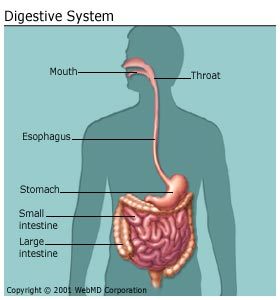
Select the organelles found in most human body cells.
Mitochondria
Nucleus
Lung tissue
Cardiac muscle
Which of the following statements would NOT be an improvement to the validity of our exercise lab? (choose 2)
Decrease the number of test subjects.
Keep exercise type & intensity constant among all test subjects.
Measure the pulse and breathing rate per 90 seconds instead of per minute.
Increase the time each test subject exercises.

Use the graph to estimate how many minutes the test subject exercised.
1
4
8
9

