
 Worksheets
PNHS-Marcelo Green ALS 20-21 Reviewer: Human Reproduction Sy
Total questions: 68
Worksheet time: 1hrs 24mins
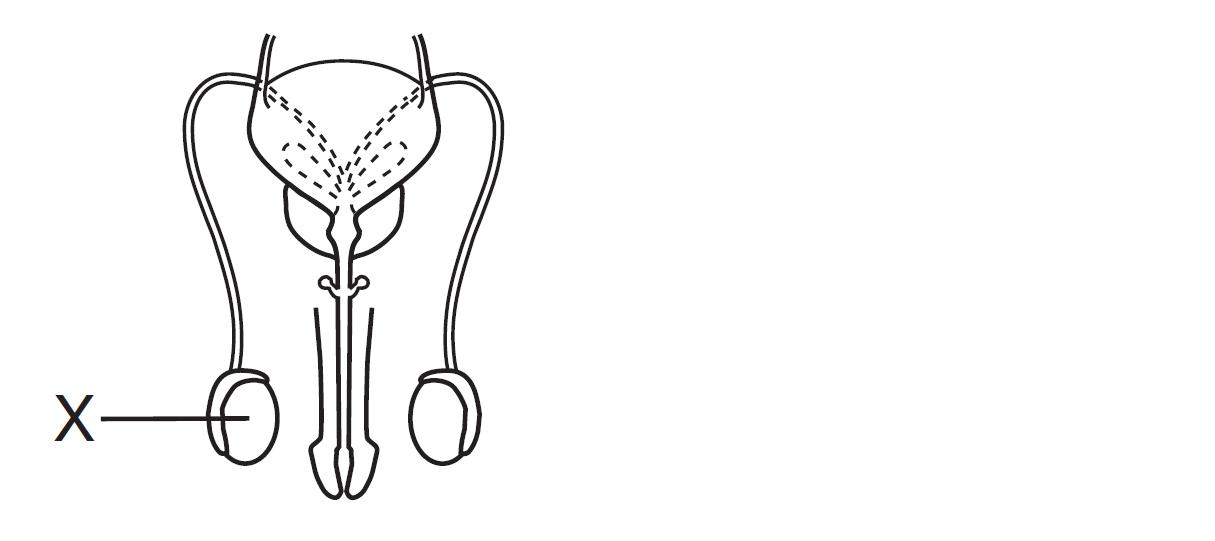
The diagram below represents a system in the human body. The function of structure X is to _____________
produce energy needed for sperm to move
provide food for the sperm to carry to the egg
produce and store urine
produce sperms and male sex hormones
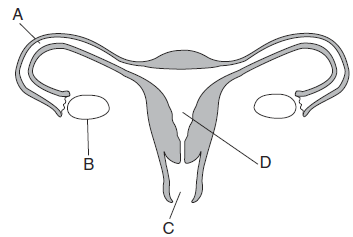
The human female reproductive system is represented below. Where will the embryo attach itself after fertilization?
A
B
C
D
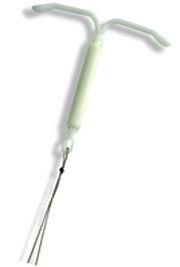
Which type of birth control is pictured here?
Diaphragm
Intra-uterine Device (IUD)
Condom
Contraceptive pill
What is Birth Control?
Pills that prevent STD
A method of preventing pregnancy
Sexually Transmitted Disease
Getting impregnated
What does IVF stand for?
In vitro fertilisation
Insert viable foetus
Internal variable fertilisation
Internal vitro fertilisation
Which of the following are the female gonads?
Spermatozoa
Ova
Testes
Ovaries
Which of the following are the male gametes?
Ovaries
Testes
Spermatozoa
Ova
The fallopian tubes connect
the ovaries to the uterus
the uterus to the vagina
the ovaries to the vagina
What are the initial phases of embryonic development?
Fertilisation, implantation, cleavage
Implantation, fertilisation, cleavage
Fertilisation, cleavage, implantation
Artificial insemination and in vitro fertilisation are examples of
contraception
assisted reproduction
Sexual reproduction is vital to the propagation of the Human race. Which of the following sequences represents the correct order of events in the formation of a human fetus?
Zygote → Blastocyst → Embryo → Fertilization
Fertilization → Zygote → Blastocyst → Embryo
Blastocyst → Embryo → Differentiation → Zygote
Fertilization → Growth → Differentiation → Zygote
The main function of the placenta is to :
allow direct exchange of blood between the mother and fetus for nutrition.
facilitate gas and nutrient exchange between the fetus and mother.
support the weight of the developing fetus in the uterus.
store gases and nutrients for later delivery to the fetus.
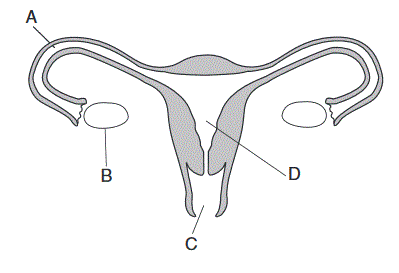
The diagram below represents structures found in the female reproductive system. If the areas labeled A were completely blocked on both sides, the most likely result would be that
egg production would stop
sperm production would stop
fertilization would not occur
an embryo would develop
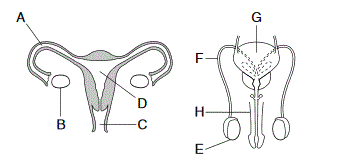
The diagram represents the reproductive systems of the human female and male. In which two structure are the gametes made
B and E
B and H
H and E
D and G
Which of the following correctly describes sexual reproduction in humans?
Fertilisation of the egg takes place inside the male's body.
Many eggs are fertilised by one sperm.
The fertilised egg develops in the stomach.
Fertilisation occurs when a sperm and an egg fuse.
PART OF FEMALE REPRODUCTIVE SYSTEM WHERE FERTILIZATION TAKES PLACE.
CERVIX
FALLOPIAN TUBE
UTERUS
VAGINA
THE MONTHLY RELEASE OF AN OVUM FROM THE OVARY
MENARCHE
MENSES
OVARIAN CYCLE
OVULATION
PART OF THE FEMALE REPRODUCTIVE SYSTEM WHICH SERVES AS TRHE SITE FOR PREGNANCY
OVARY
FALLOPIAN TUBE
UTERUS
VAGINA
PART OF THE FEMALE REPRODUCTIVE SYSTEM WHICH SERVES AS TRHE SITE FOR PREGNANCY
OVARY
FALLOPIAN TUBE
UTERUS
VAGINA
The human female reproductive system is represented below. Where will the embryo attach itself after fertilization?
A
B
C
D
Which part of the uterus is connected to the vagina?
The fallopian tubes
The cervix
The ovaries
What is the name of the internal wall of the uterus?
endometrium
exometrium
testometrium

The female reproductive parts consists of __________________________________________.
ovaries and ovules.
ovaries and womb.
ovaries, womb and vagina.
ovaries, stigma and style.

The liquid that carries sperm
Sperm
Erection
Semen
Egg Cell
Where sperm cells are created
Seminal vesicle
Testicles
Ovaries
Prostate gland
The part that enters the woman during sexual intercourse
penis
clitoris
vagina
Vas Deferens
How many testicles do males have?
1
2
3
4
How many ovaries do females have?
1
2
3
4
This is where the baby develops until it is born.
Uterus
Vagina
Urethra

The ? points to which structure?
womb
scrotum
Vas Deferens
bladder

Which of these organs are part of the female reproductive organs
Fallopian tubes
Ovaries
Prostate gland
Uterus
Vagina
The lower part of uterus is known as :
Vagina
Fallopian tube
Accessory space
Cervix
Release of an egg from the ovary is known as :
Fragmentation
Ovarization
Ovulation
Fertilization
Select the correct statement regarding the male reproductive system.
Penis is the reproductive organ
Oestrogen is the male reproductive hormone
Oviduct carries sperms
A sperm reaches the oviduct for fertilization
Sperm mixed with fluid secreted by accessory gland is :
seminal vesicle
spermination
semen
simin
Long, thread like structure which contain genetic materials found in nucleus of cell called ….
sperm
chromosome
cytoplasm
gamete
A human life begins with
fertilization
birth
first breath
heart formation
Fertilized egg cell is called
morula
gamete
zygote
blastula
Fussion of gametes is called
implantation
fertilization
embryo
menstruation
How many days after fertilization morula is formed?
24 days
4 days
1 day
64 days
How many days after fertilization implantation happens?
7
14
21
64
Which term best describes adolescence?
Endpoint
Transition
Beginning
Maturity
Sex characteristics that are related directly to the production of reproductive cells are known as........
Secondary Sex Characteristics
Primary Sex Characteristics
Puberty
Changes
Which of the following are secondary changes that occur in females
Hips widen
Testicles drop
Voice deepens
Breasts Develop
Body fat increases
The period of time between childhood and adulthood
Teen
Puberty
Adolescence
High schooler

Puberty marks the start of adolescence.
True
False
Adolescence is the period that lasts...
from age 9 to 30
from age 15 to 20
from age 11 to 21
from age 17 to 21
Adolescence is divided into … stages
5
2
7
3
Puberty refers to
a series of psychological changes that culminate in reproductive maturity
a series of cognitive changes culminating in reproductive maturity
a series of physical changes culminating in the completion of sexual development and signalling reproductive maturity
a period of time when romantic relationships are formed
Adam has not decided on any job after high school. He would rather just enjoy his time right now and not make any commitments to major life decisions. Quite frankly, he is not sure yet whether or not he should plan for his future. Which identity crisis is Adam experiencing?
Identity Moratorium
Identity Diffusion
Identity Foreclosure
Identity Achievement
Erik Erikson and James Marcia researched the tumultuous experience of adolescents attempting to discover who they are and what they are capable of. What did they title this period of life?
Critical Period
Identity Crisis
Gender Roles
Egocentric
Larynx is called
Voice box
Music box
Respiratory organ
None of these
Thyroxin produced by
Pituitary gland
Adrenal gland
Thyroid gland
Testes
The period of maturity of reproductive organs is called.
Adolescene period
Mensuration
Gestation period
None of these
Menarche is
the first menstruation
the first child
the ability to reproduce
the inability to reproduce
What usually lasts two or three years and is marked by rapid growth in height and weight?
pubesant identity crisis
Adolescent growth spurt
Pre-adolescent growth spurt
Pubescent growth spurt
Puberty ends when
adolescence begins
sexual activity stops
menarche begins
physical growth stops

