
Font size
 Worksheets
Stimuli and Responses in Human
Total questions: 15
Worksheet time: 8mins


Part of the eye that changes light into nerve impulse
Retina
Sclera
Iris
Aqueous Humor

Eye Problem where distant objects may be distorted or blurry
Astigmatism
long sightedness
short sightedness
Glaucoma

Eye Problem where close objects may be distorted or blurry
Astigmatism
long sightedness
short sightedness
Glaucoma
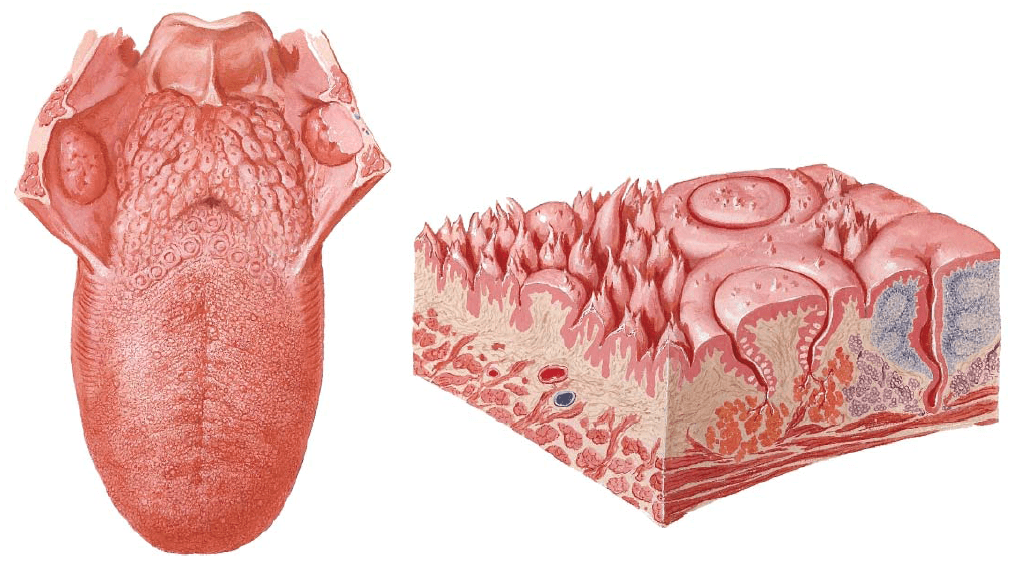
Small projections located on the tongue’s surface where taste buds are located are known as:
papillae
gustatory cells
olfactory epithelium
mucous producing glands
Which of these is a taste bud sensitive to meat flavoring?
sweet
salty
bitter
umami
Which of the following eye defects can be corrected by wearing suitable glasses?
(1) Astigmatism
(2) Short sight
(3) Long sight
(1) and (2) only
(1) and (3) only
(2) and (3) only
(1), (2) and (3)

What part of the ear is responsible for balance
Semicircular Canals
Vestibule
Cochlea
Auditory Nerve

Identify the stimulus..."A person shivers because it is cold outside"
Cold temperature
A person shivers
The sensetivity of skins towards stimuli depends on(tick 2)
Number of receptor
Surrounding temperature
Thickness of epidermis
Humidity of air

Which is NOT a function of the nervous system?
gathering information
responding to a stimulus
maintaining homeostasis
secreting hormones

What is a reflex?
an automatic movement in response to a stimulus
the gap between neurons where chemical reactions occur
the part of the brain responsible for involuntary movements
a muscle memory

Cover dancing requires a lot of coordination, but which part of your brain coordinates your muscle movements?
cerebellum
cerebrum
brain stem
hypocampus

Even though Khing loves to sleep, her heart still beats and lungs still breathe. What type of action is this?
Voluntary action
Involuntary action

