
 Worksheets
Topic 6 Populations, Communities, and Ecosystems
Total questions: 30
Worksheet time: 3600secs
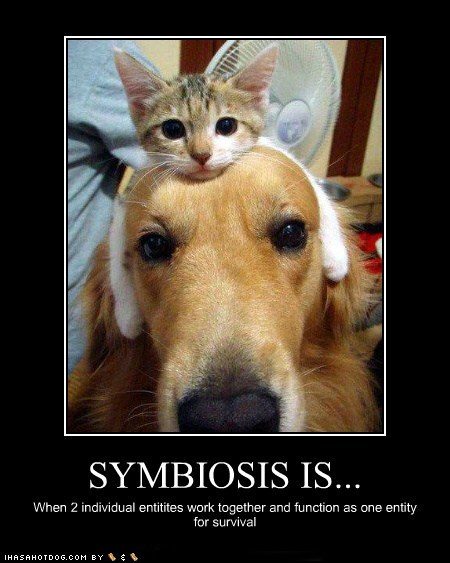
A relationship in which two species live closely together and at least one benefits is called...
resource
mutualism
succession
symbiosis
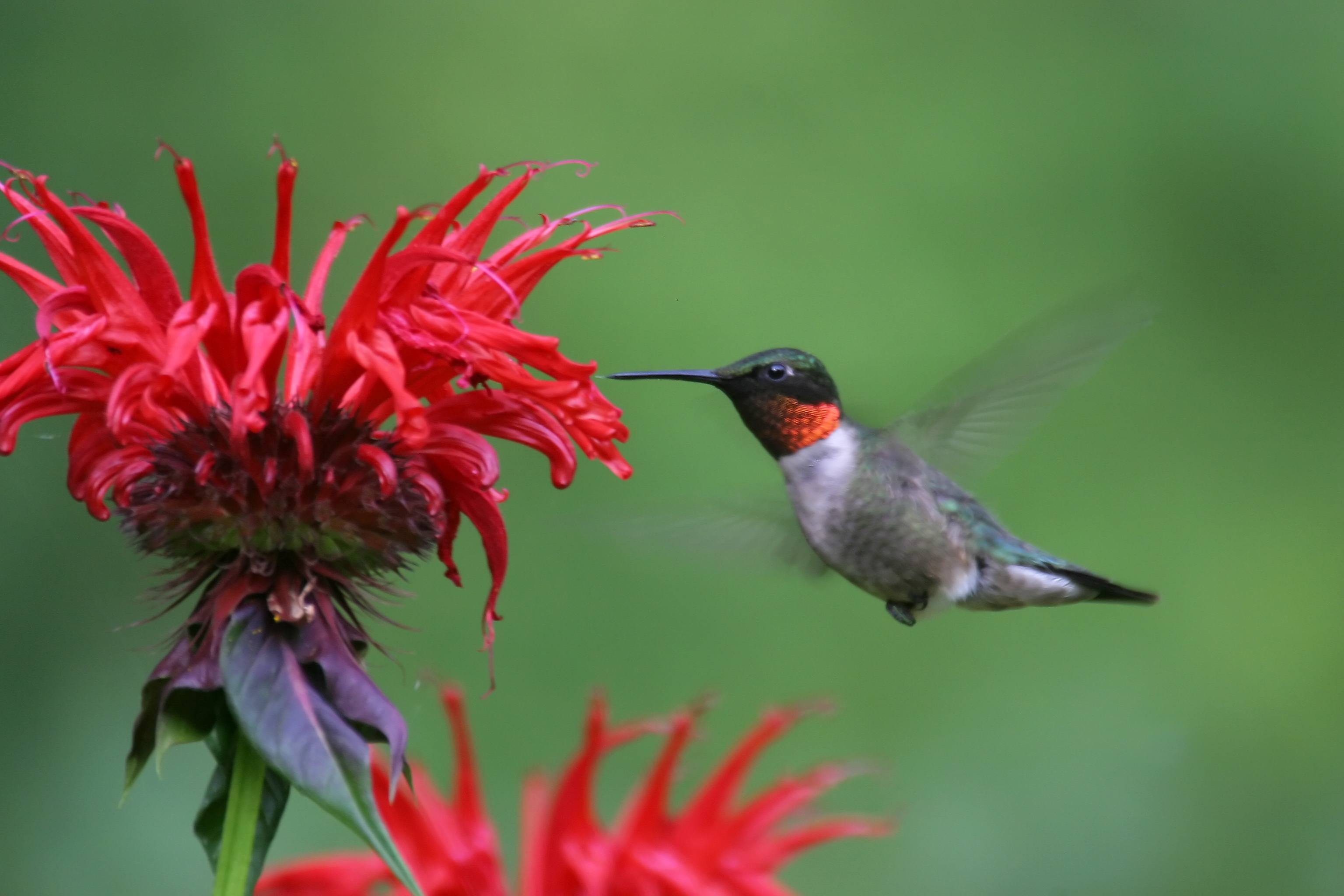
Hummingbirds feed on nectar from flowers. The flowers are pollinated by hummingbirds as they move from flower to flower. What type of relationship is this?
commensalism
mutualism
parasitism
predation
True or False. In parasitism the host is the organism that the parasite lives on or in.
true
false
Wrasse fish feed on the parasites found on the black sea bass's body. The fish gets food and the black sea gets rid of pesky parasites.
Mutualism
Commensalism
Predation
Competition
A new island has formed off of Hawaii! What must occur for it to become an ecosystem?
Secondary Succession
Aquatic succession
Primary Succession
Ferns must grow
Succession that occurs in an area with no soil is called...
ecological succession
primary succession
secondary succession
pioneer speciles
Succession that occurs in an area where soil is already present is called...
ecological succession
primary succession
secondary succession
pioneer speciles
The first organisms that appear in an ecological community is called a(n)...
ecological succession
primary succession
secondary succession
pioneer speciles
True or false. Great Biodiversity = Great Sustainability
True
False
Biodiversity is best described as...
the amount of different species of organisms (plants and animals) living in the same area.
when only a few species inhabit an area.
when only one organism (plants and animals) is found living in one area.
A species that is not native to a particular region is called a(n)______________________ species.
endemic
invasive
endangered
extinct
The lionfish is a venomous fish found primarily in the Red Sea and the Indian Ocean. In the 1990s, lionfish were accidentally released into the Atlantic Ocean, where they found abundant resources and favorable environmental conditions. Which of the following scenarios is most likely to result in the lionfish having a major impact on the communities into which they were introduced?
With no natural predators, the lionfish population will become very large.
Some native species of invertebrates will develop a resistance to lionfish venom.
High biodiversity removes the predators and parasites in the ecosystem and makes it safer.
True
False
High biodiversity makes the food web more complex and better able to support the most species, even if some populations decrease.
True
False
Extinction is...
the study of the loss of Earth's biodiversity and the ways this loss can be prevented
a process during which all members of a species die out
a resource that is in limited in supply because it is used faster than can be replaced
a resources that are replaced as quickly as they are used
Which of the following is an example of an ecosystem service?
water filtration
food
oxygen
all of the above
Which of the following is NOT and ecosystem service?
Provisional Services
Regulatory Services
Cultural Services
Economic Services
Fruits, fish, and livestock are all examples of what type of ecosystem service?
Economic
Provisional
Regulatory
Cultural
Recreational interactions with nature, such as exploring Earths history, or rock layers, paddling a canoe, and going on a hike are all examples of what type of ecosystem service?
Provisional
Regulatory
Cultural
Supporting
Nature's cycles, such as the water cycle, nitrogen cycle, carbon, and oxygen cycles are all forms of _____________________ services?
Provisional
Regulatory
Cultural
Supporting
When decompositon fixes nature's problems that may harm the ecostystem, this is an example of...
cutural services.
provisional services.
regulatory services.
supporting services.
What ecosystem service (benefits that humans get from ecosystems) can people gain from a forest?
clouds
soil
wind
food
In some areas, foresters plant one tree for every tree they cut. This activity is an example of
lack of management of nonrenewable resource
a good conservation practice for renewable resources
a good conservation practice for nonrenewable resources
lack of concern for renewable natural resources

