
 Worksheets
Life Science Practice
Total questions: 20
Worksheet time: 20mins
Which of the following is NOT found in bacteria?
mitochondria
genetic material
cell membrane
ribosomes
What part of a fungus is used for reproduction?
mushroom
flagellum
cilia
hyphae
What vocabulary word describes the process by which dead organic substances are broken down into simpler organic or inorganic matter such as carbon dioxide, water, simple sugars and mineral salts?
Symbiosis
Decomposing
Budding
Mycelium
Fungus are
autotrophic
heterotrophic

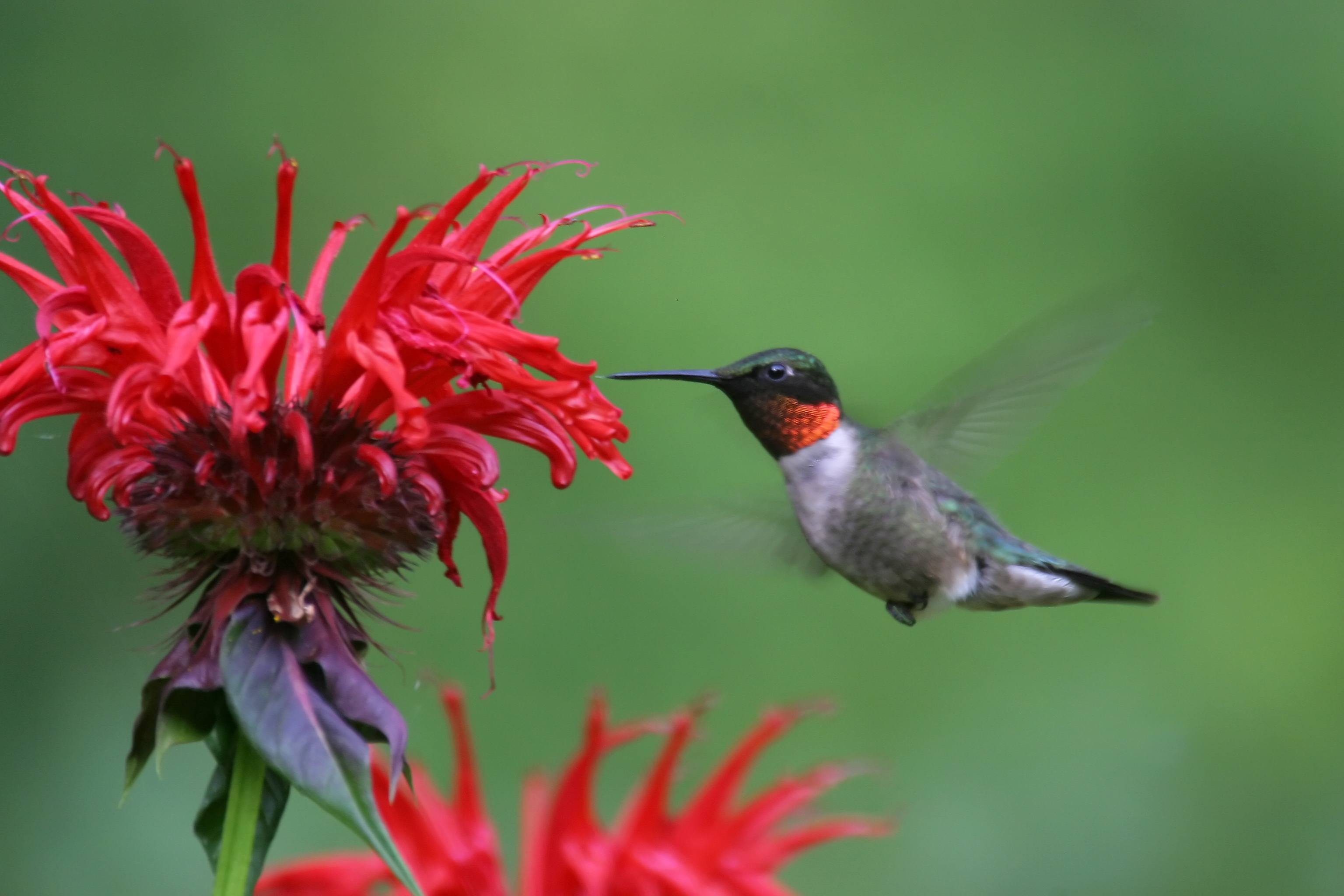
What type of symbiosis is this? Hummingbirds feed on nectar from flowers. The flowers are pollinated by hummingbirds as they move from flower to flower.
commensalism
mutualism
parasitism
predation

Clownfish live near sea anemones. The anemones provide protection for the clownfish, who are immune to the anemone's stinging tentacles. The clownfish help lure in prey for the anemones.
Mutualism
Commensalism
Parasitism
Not Symbiosis
There are 3 types of this relationship where 2 different species live together in a way that helps at least 1 of the species. This is called?
Succession
Symbiosis
Conservation
These plants have a system of tubes to carry water and nutrients from the roots to the leaves
mosses
vascular
non-vascular
tropisms

These plants are non-vascular and seedless
mosses
ferns
conifers
flowering plants
Mosses are non-vascular, which means they do not have
parents
blood
chloroplasts
special cells that act like tubes
Mosses and ferns are seedless so they reproduce by
cones
flowers
spores
pollen

This group of plants is vascular and seedless. They reproduce with spores under their fronds.
mosses
ferns
gymnosperms
angiosperms

This group of plants is vascular and has seeds in flowers or fruits.
mosses
ferns
gymnosperms
angiosperms
Tulips, daisies, sunflowers, apple trees, maple trees
mosses
ferns
gymnosperms
angiosperms

