
 Worksheets
Science Review 2021
Total questions: 85
Worksheet time: 1hrs 1mins
How does light travel?
in a wavy path
in a straight path forever
in a zig zag path
in a straight path until it hits an object
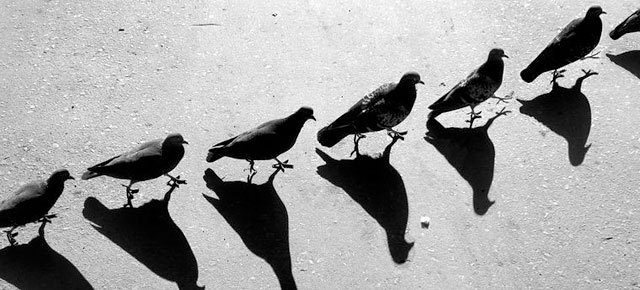

What was the dependent variable?

What was the independent variable?

What was controlled?

Thunderstorm clouds are known as _____.
cirrus clouds
stratus clouds
cumulonimbus clouds
cumulus clouds
The calm area in the center of a hurricane is called the _____.
draft
funnel
eye
squall
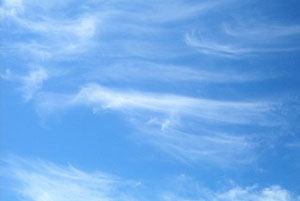
This type of cloud is thin, wispy, and is found high in the atmosphere.
cumulus cloud
stratus cloud
cirrus cloud
cumulonimbus cloud
This type of cloud is thin, wispy, and is found high in the atmosphere.
cumulus cloud
stratus cloud
cirrus cloud
cumulonimbus cloud
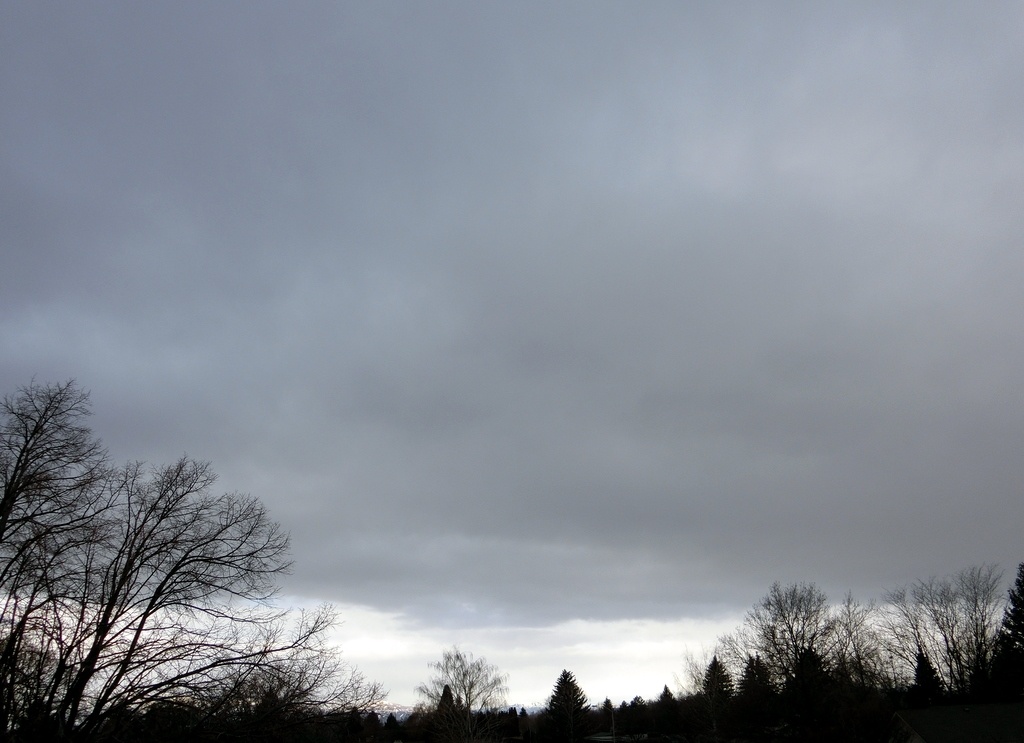
Stratus and cumulonimbus clouds can signal what type of upcoming weather?
fair skies
hot, sunny weather
windy weather
rainy weather


Characteristics of a Cumulonimbus cloud are...
Low-level clouds, form in layers, and usually bring rain
Thin clouds, look like feathers, made of ice crystals
Very tall, flat on top, may cause thunderstorms
Small, white and puffy, mid level
How do clouds help meteorologists?
they let them know how hot it is going to be
they tell them how cold it is going to be
they help them predict the weather
they don't help them at all


A person that studies, reports and forecast weather conditions is a
radiologist
geologist
astronomer
meteorologist
During a __________ it is important that you board up all windows and stay away from windows. Also, move further inland if you are near the coast.
hurricane
rain storm
thunderstorm
tornado

A tornado begins as a ___________ cloud that pokes through the bottom of a cumulonimbus cloud.
cirrus
cumulus
funnel
stratus
Mercury,Saturn
Jupiter, Uranus, Neptune
Jupiter, Neptune,
Mercury,Saturn,
Uranus
Mars,Jupiter,
Saturn,Uranus
Neptune
Air _____ influences the weather by determining what type of precipitation will fall to the ground.
pressure
speed
humidity
temperature
When spilled water seems to disappear, it actually just ________.
evaporated
dissolved
turned into precipitation
condensed


What type of weather is the western United States likely experiencing in this image?
Clear, sunny skies
High winds and thunderstorms
Hot weather with a warm front
Cloudy skies with high winds

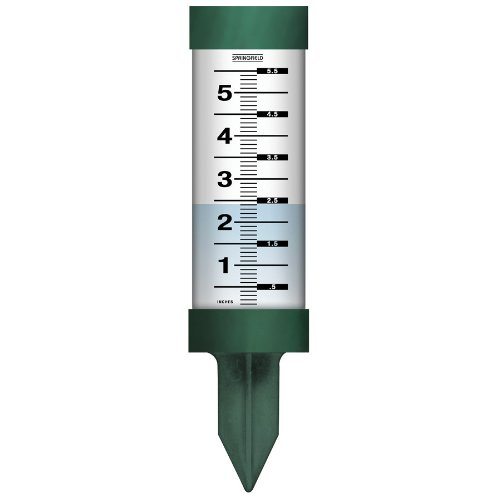
What does a rain gauge measure?
a change in temperature
a change in humidity
wind speed
the amount of rainfall


What does the rotation of the earth cause us to experience?
Seasons
Day and night
Year
Summer
Why is the Equator warmest?
Because it is closest to the sun.
Because it receives the most direct sunlight
Because no clouds form here.
Because it is far from the sun
Which of the following best describes the tilt of the earth when it is summer in the southern hemisphere?
The northern hemisphere is tilted toward the sun
The northern hemisphere is tilted away from the sun
The southern hemisphere is tilted toward the sun
The southern hemisphere is tilted away from the sun
What effect does the tilt of the earth have?
It causes the earth to be farther away from the sun at different times of the year
It changes the angle that the sun strikes the earth in different land areas
When the earth is tilted away from the sun we have day
When the earth is tilted away from the sun we have night
What season is it in the Northern Hemisphere when it is fall in the Southern Hemisphere?
Winter
Spring
Summer
Fall
What happens when the area in which you live tilts away from the sun?
It is winter
It is summer
It is spring
It is fall
In what layer of the atmosphere do all weather events occur?
Stratosphere
Exosphere
Mesosphere
Troposphere
78% of the Earth's atmosphere is ___________ and 21% of the Earth's atmosphere is _____________.
Oxygen, Nitrogen
Nitrogen, Oxygen
Nitrogen, Carbon Dioxide
Oxygen, Carbon Dioxide
In which layer of the atmosphere do meteors burn up?
Troposphere
Mesosphere
Thermosphere
Exosphere
Which atmospheric layer is the Aurora Borealis located in?
Troposphere
Mesosphere
Exosphere
Thermosphere

What is precipitation?
The part of the water cycle when the sun heats up water, turning it from a liquid into water vapor or steam. It rises from the ground into the air.
The part of the water cycle when the water vapor in the air gets cold. The water turns back into a liquid and forms clouds.
The part of the water cycle when clouds get heavy and can no longer hold the liquid water. This causes the water to fall from the sky to the earth as rain, snow, sleet, or hail.


