
 Worksheets
Invasive Species in Aquatic Ecosystems
Total questions: 23
Worksheet time: 23mins
Secondary succession occurs in ecosystems without soil.
true
false
Succession occurs after ecosystems experience some type of disruptive event.
true
false
Which of the following is not a characteristic of a climax community?
high levels of biodiversity
presence of complex organisms
conditions suitable for all organisms
experiences no change
Succession occurs because _______.
organisms gradually change the environment
climax communities are not possible
dominant organisms drive out pioneer species
ecosystems never reach a sustainable point
Succession allows ecosystems to _______.
recover from disruptive events
reach a stable and sustainable point
establish complex communities
all of the above
Invasive species often unbalance the ecosystems into which they are introduced because _______.
they did not co-evolve with the natural species and lack natural controls, like predators
they breed quickly and have the potential to overpopulate an area
they consume local resources
none of these
Which of the following is not a way that nonnative organisms are introduced to new aquatic ecosystems related to commerce?
cargo ship hulls
recreational boats
escape from aquariums
migration
Why might it be beneficial to regulate what species of plants and animals people are allowed to own in particular environments?
Some species might become invasive and destructive if they escaped.
Some species may be dangerous to humans.
Nonnative plants and animals should only be used for commercial purposes.
There is no reason to restrict an individuals’ right to own plants or animals.
Which of the following is not true concerning the zebra mussel in the United States?
It was introduced accidentally
It was first introduced in the Great Lakes.
It is still spreading throughout the United States.
It can be eliminated from a river with minimal effort.
Hull fouling is a(n) _______ introduction of nonnative species.
unintentional
intentional
unimportant
land-based
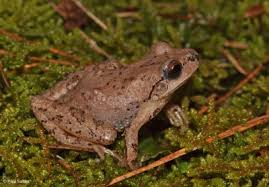


What is an invasive species?
An organism that is new to an environment that has positive effects on the environment.
An organism that is native to an environment that has negative effects on the environment.
An organism that is new to an environment that has negative effects on the environment.
An organism that is native to an environment that has positive effects on the environment.
Invasive species can crowd out native species.
TRUE
FALSE
What caused the lionfish to end up in the Atlantic Ocean?
The lionfish swam there from The Pacific Ocean.
Pet owners dumped their unwanted fish into the ocean.
Pet owners lost them and found them in the Atlantic Ocean.
The lionfish migrate there every winter.
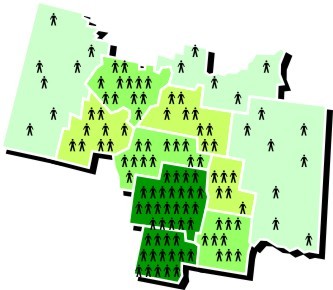
In order for population to grow
death rate must be higher than birth rate
heart rate must be lower than death rate
birth rate must equal death rate
birth rate must be higher than death rate
Long life span
K-selected
r-selected
many offspring
K-selected
r-selected
mice
K-selected
r-selected
elephant
K-selected
r-selected

