wayground logo

Free Printable Worksheets

NEW

Font size

S
M
L
XL
Worksheets

3rd Term Benchmark Review

Total questions: 26

Worksheet time: 13mins

Name
Class
Date
1.

bending of light that happens when light travels through different mediums (substances)

a)

reflection

b)

refraction

c)

diffusion

2.

When light bounces off an object- If the surface is smooth and shiny, like glass, water or polished metal, the light will reflect at the same angle as it hit the surface.

a)

reflection

b)

refraction

c)

diffusion

3.

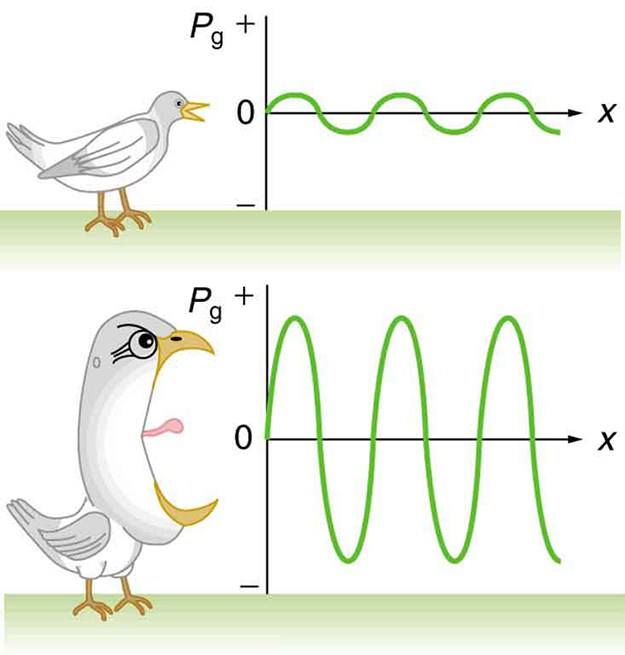
What is transported by a wave?

a)

air

b)

energy

c)

matter

d)

particles

4.
When a sound is louder what measurement gets bigger?
a)
Frequency 
b)
Amplitude 
c)
Wavelength 
d)
Crest
5.

A(n) ________________ is the vibration or shaking of the Earth’s crust.

a)

volcanic eruption

b)

tsunami

c)

landslide

d)

earthquake

6.

The theory that Earth’s crust is divided into plates that are always moving is called what?

a)

Pangea

b)

Evolution

c)

Jigsaw puzzle

d)

Plate tectonics

7.

Evidence to support that the continents move include:

a)

land features

b)

climate

c)

fossils

d)

All of the above

8.
The Geologic Time Scale is a record of what?
a)
old geologists
b)
sweet geology music
c)
the known history of rocks and fossils
d)
a list of every living thing ever
9.

Is there a pattern to the locations of earthquakes and volcanoes around the globe?

a)

No, earthquakes and volcanoes are random.

b)

Yes, earthquakes and volcanoes usually occur near the boundaries of tectonic plates.

c)

yes, earthquakes and volcanoes usually occur in the middle of tectonic plates.

d)

No, earthquakes and volcanoes usually occur under water.

10.

Which below is a possible cause of tectonic plate motion?

a)

ocean tides

b)

the sun

c)

convection currents

d)

current weather patterns

11.
Soil formation begins with the weathering of_______.
a)
Humus
b)
Subsoil
c)
Litter
d)
Rock
12.
Water that is located in the ground in the pores within rock is called…
a)
watershed
b)
surface water
c)
groundwater
d)
water cycle
13.

Water that stands or flows across the Earth’s surface.

a)

Groundwater

b)

Surface water

c)

Runoff

d)

Divide

14.
Of the four natural hazards we've studied, which is the hardest to predict?
a)
Tsunamis
b)
Volcanoes
c)
Tropical Cyclones
d)
Earthquakes
15.
A seismograph can be used to measure and study what? 
a)
Volcanic eruptions
b)
Earthquakes
c)
Tsunamis
d)
All of the above
16.
The change over time in populations of related species.
a)
biological evolution
b)
transition
c)
variation
d)
adaptation
17.
These cause variations.
a)
mutations
b)
adaptations
c)
a desire to change
d)
injuries
18.
An inherited trait that increases an organism's chance of surviving and reproducing.
a)
variation
b)
adaptation
c)
vestigial structure
d)
mutation
19.
Organisms with these structures are believed to be closely related.
a)
analogous structures
b)
homologous structures 
c)
mutated DNA
d)
gills
20.
Organisms with these structures are NOT believed to be closely related.
a)
analogous structures
b)
homologous structures
c)
vestigial strucutres
d)
gills
21.

Natural Selection is driven by a change in the environment and survival of the

a)

Earth

b)

Fastest

c)

Fittest

d)

Biggest

22.
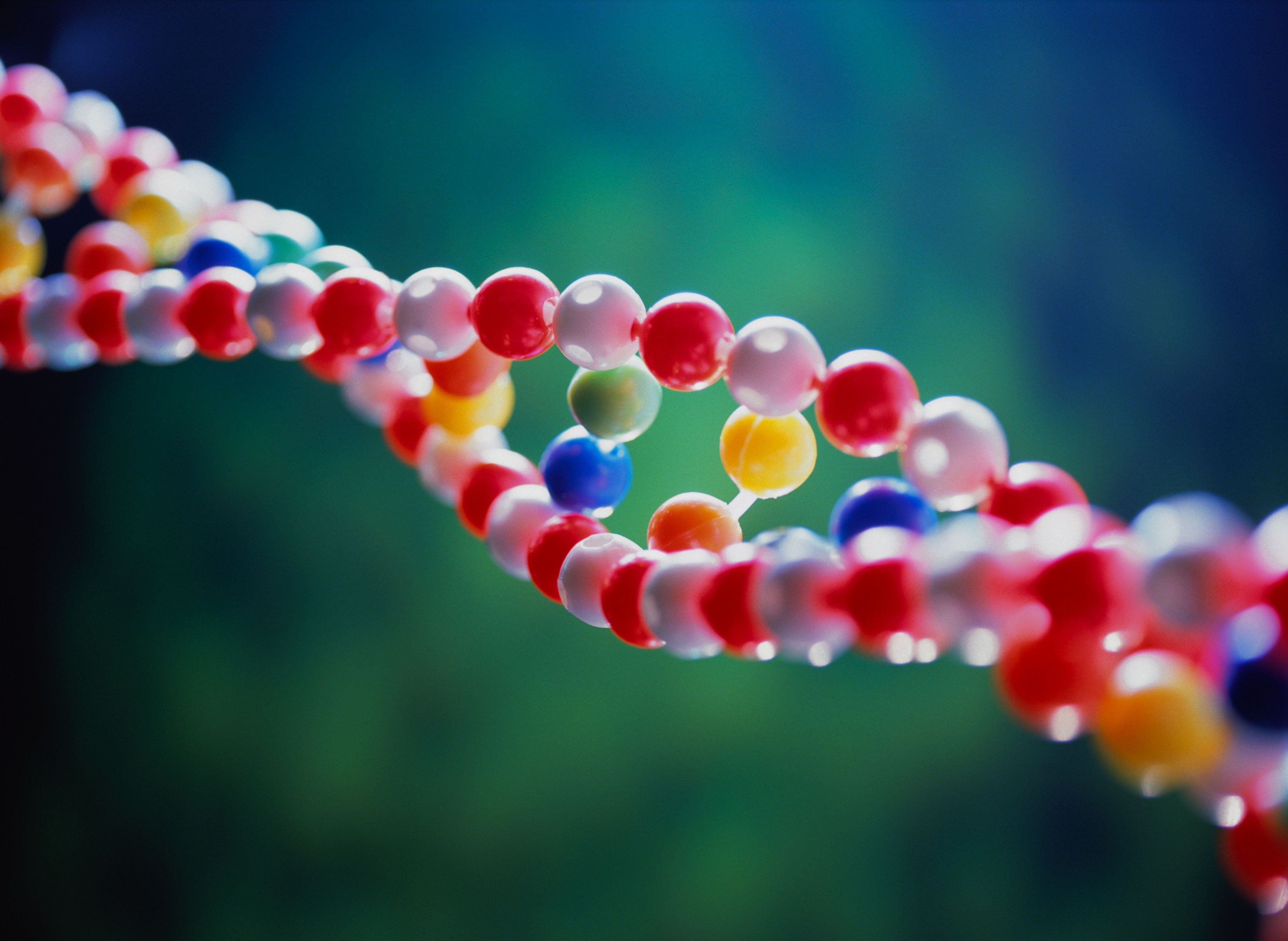
Why is DNA important?
a)
it is very small and very complicated
b)
it's in everything
c)
it serves as the blueprint for traits of all living things
d)
because we eat it every day for energy
23.
How are similarities passed from parent to offspring?
a)
through teaching
b)
through learning
c)
through blood
d)
through genes
24.
A change in DNA or chromosomes
a)
Mitosis
b)
Meiosis
c)
mutation
d)
Osmosis
25.

_________ factors are traits that animals inherit that either positively or negatively influence their growth.

a)

genetic

b)

environmental

c)

biotic

d)

abiotic

26.

Any ecosystem factor that influences living organisms

a)

adaptation

b)

environmental factors

c)

genetic factors

d)

growth

e)

organism