
 Worksheets
Ch 19 : Medicines and Drugs (524-533)
Total questions: 41
Worksheet time: 3hrs 25mins
A vaccine for polio will do which of the following?
Causes the body to make antibodies to fight polio
Causes people to develop the polio disease
Protects the body against the measles virus
Protects people against polio for a short time
What type of medicine might your doctor prescribe if you have and ear infection caused by bacteria?
Antifungal
Antitoxin
Antiviral
Antibiotic
If a person takes two medicines at the same time and one is less effective than when taken alone, what is this called?
Additive interaction
Antagonistic interaction
Side effect
Synergistic effect
Which does not describe a prescription medication?
Only a specified amount is distributed by a licensed pharmacist.
Written approval by a physician is required
It should be taken only by the person it is prescribed to
It can be dispensed or purchased without a doctor's approval
Which must have proven safety and effectiveness before being sold?
Prescription medicines
Herb- based diet pills
Protein shake drink mix
Vitamins
Which of the following information is not on an OTC medicine label?
The directions for taking the medicine
The expiration date
The inactive ingredients in the medicine
The name of the pharmacy
Which of the following is a way a person could misuse a medicine?
Taking only a half dose of the prescription under doctors orders.
Saving half of an antibiotic prescription in case you get sick later.
Following the instructions on the medicine label.
Taking two medicines at the same time, as directed by a doctor.
Why might teens abuse medicines?
They take medicine only as prescribed by a doctor
They do not like the side effects of a certain medicine
They believe the medicine may help them study longer
They think the medicine is hard to obtain
Which is not a risk of abusing medicines?
Addiction
Death from heart failure
Paranoia
Taking too little medications
Which of the following organizations tests and approves all prescription medicines before they are sold to the public?
The Centers for Disease Control and Prevention
The U.S. Department of Agriculture
The Food and Drug Administration
The Consumer Product Safety Commission
Any substance that is not food which changes the way your body functions, either physically or psychologically is called:
Medicine
Drug
Marijuana
Stimulant
Chronic conditions may be managed by taking medicines. For instance, antihistamines address itchy watery eyes and epinephrine may be used to stop severe reactions to peanuts or bee stings. These medicines are called:
allergy medicines
body regulating medicines
Antidepressant and Anti psychotic medicines
Cancer treatment medicines
Regulating body chemistry is the intent when using Insulin for diabetes or cardiovascular medicines to control an irregular heartbeat or blood pressure. What are these medicines called?
allergy Medicines
Body-Regulating Medicines
Antidepressant and Anti psychotic Medicines
Cancer Treatment Medicines
The government agency that controls the safety of food and drugs in the United States is called the Food and Drug Administration (FDA).
True
False


During a clinical trial, a drug is tested on HUMAN VOLUNTEERS.

Reactions to medicine other than the one intended are called SYNERGISTIC EFFECTS.
Medicine that is safe enough to take without a doctor's order.
OTC Medicine
Alcohol
Illicit drugs
Vitamins
Medicines can delivered into the body by all methods below except...
Ingesting a tablet by mouth
Injecting a shot directly into the bloodstream
Applying a cream or a topical patch to the skin
Newly cut hair readily absorbs pharmaceutical remedies
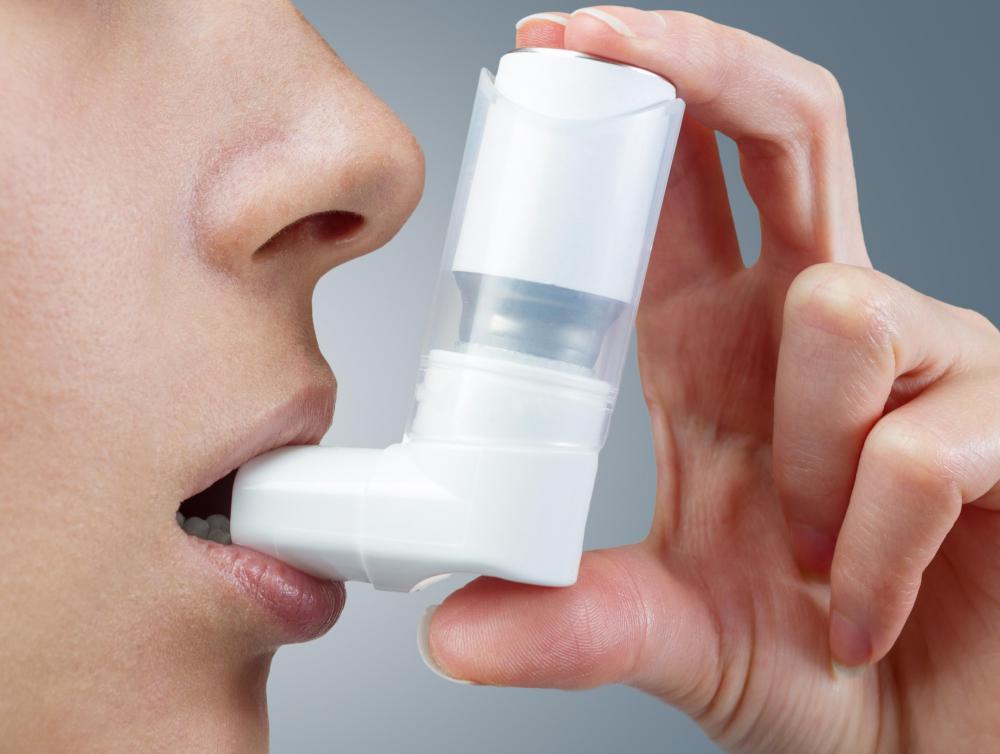
Medicine can be breathed in as a mist or fine powder. People with asthma may use a hand held apparatus to deliver a fine mist to their lungs. Cold or sinus medication can also be taken in this way through the nose. What type of delivery is being described?
Topical medicines
Injected medicines
Inhaled medicines
Oral medicines

