
 Worksheets
Respiratory system and respiration
Total questions: 20
Worksheet time: 3600secs
Which is not a job of the respiratory system?
taking in oxygen
taking in carbon dioxide
moisten air
transport glucose
Which one accurately describes the difference between breathing and cell respiration?
breathing produces energy while cell respiration produces carbon dioxide
cell respiration produces energy, while breathing is brings air in and out of lungs
breathing occurs in cells while cell respiration occurs in the lungs
none of the above
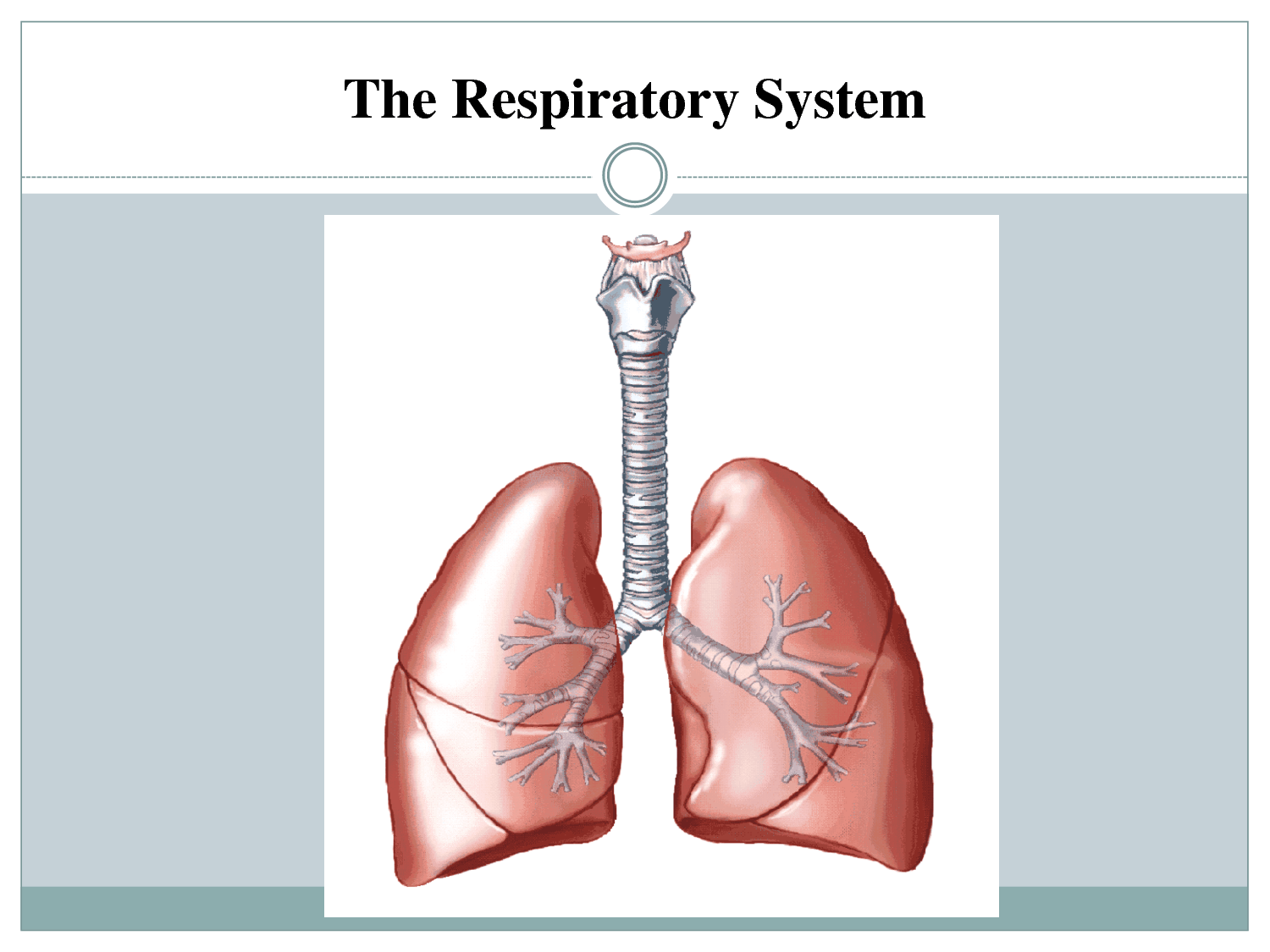
Which sequence correctly indicates the branching pattern of the human respiratory system?
trachea -> bronchi -> bronchioles -> alveoli
trachea -> bronchioles -> bronchi -> alveoli
alveoli -> trachea -> bronchioles -> bronchi
alveoli -> bronchioles -> trachea -> bronchi
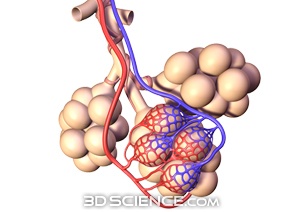
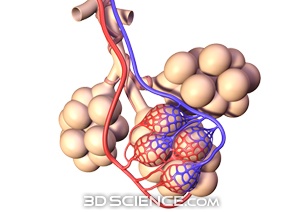
Which diagram best illustrates the function of an alveolus?


This organelle is the _____________, where respiration occurs.
chloroplast
Golgi bodies
nucleus
mitochondrion
The composition of the oxygen in inhaled air is
21%
16%
4%
0.04%
The composition of carbon dioxide in exhaled air is
79%
21%
4%
0.04%
State the products of respiration in the body cells?
Oxygen, carbon dioxide and water
glucose, oxygen and water
carbon dioxide, water and oxygen
carbon dioxide, water and energy
............................. found in blood, transports oxygen from the alveoli to cells.
red blood cells
white blood cell
plasma
hormones

Name the structure labelled C
(a)

Name F
Diaphragm
Lung
Bronchioles
Alveoli

The diagram shows a model of the respiratory system. When the rubber sheet is pulled down, what will occur?
balloon contract
balloon expand
balloon remains unchanged
balloon changes color
During breathing, gases between the lungs and capillaries are exchanged by
Osmosis
Active Transport
Diffusion
Brownian Motion
When the diaphragm and external intercostals muscles contract, which of the following actions does NOT occur?
air moves into the lung
the air pressure in the lungs becomes greater than atmospheric pressure
volume of thoracic cavity increases
the diaphragm flattens
When you breathe and air goes into the lungs
The amount of CO2 in the alveoli is the same as that in the capillaries
The amount of O2 in the alveoli is the same as that in the capillaries
The amount of CO2 in the alveoli is higher than that in the capillaries
The amount of CO2 in the alveoli is lower than that in the capillaries
Which of the following prevents collapsing of trachea
Muscles
Diaphragm
Ribs
Rings of Cartilage

