

wayground logo

Free Printable Worksheets

NEW

Font size

S
M
L
XL
Worksheets

Story Elements and RACE Review

Total questions: 75

Worksheet time: 1hrs 20mins

Name
Class
Date
1.
What part of the plot is known as the start of the story?
a)
Rising action
b)
Exposition
c)
Climax
d)
Resolution
2.
Where the story takes place is known as the....
a)
Setting
b)
Characters
c)
Conflict
d)
Plot
3.
The "good guy" and who we are "rooting for" and is often the main character.
a)
Antagonist
b)
Protagonist
c)
Flat character
d)
Conflict
4.
Rising action is best described as what?
a)
The turning point in the story, the most intense moment
b)
The conclusion
c)
All of the action that takes place after the climax
d)
The series of conflicts and problems that lead to the climax
5.
The people or creatures who appear in a story are known as what?
a)
Characters
b)
Conflicts
c)
Plots
d)
Antagonists
6.
The antagonist is best known as?
a)
A person who learns a lesson
b)
The person who is against the protagonist and causes the problems
c)
The series of events in a story
d)
Where the story takes place
7.
The climax of a story can be described as?
a)
The conclusion
b)
The start of the story
c)
The series of conflicts and crisis in a story
d)
The most intense moment and the turning point in a story
8.
When a character has a problem with nature, themselves, other characters or society that is called?
a)
Conflict
b)
Plot
c)
Setting
d)
Characters
9.
All of the action that follows the climax is known as the?
a)
Plot
b)
Climax
c)
Falling action
d)
Resolution
10.

The problem is resolved and the story has a reasonable ending.

a)

Exposition

b)

Falling Action

c)

Climax

d)

Resolution

11.
The series of events in a story is called?
a)
Conflict
b)
Resolution
c)
Plot
d)
Characterization
12.
What is something that is included in the setting of a story?
a)
Time
b)
Frame of Mind
c)
Captions
d)
Mood
13.
Which of these choices is not something that will help you identify a setting of a story?
a)
Funiture
b)
Scenery
c)
Weather
d)
Balloons 
14.
Part 2 - Which of these choices is not something that will help you identify a setting of a story?
a)
Transportation
b)
Clothing
c)
Phones
d)
Dialects
15.

The main character of the story, the one that has the conflict forced upon him/her/it. This character is not necessary “good”.

a)

Antagonist

b)

Protagonist

c)

Main Character

d)

Villan

16.
The force in opposition of the protagonist; this person may not be “bad” or “evil”, but he/she opposes the protagonist in a significant way
a)
Antagonist 
b)
Villan 
c)
Protagonist
d)
Evil Force
17.
True or False - The Antagonist is always the bad guy in a story.
a)
True
b)
False
18.
This usually occurs at the beginning of a short story.  Here the characters are introduced. We also learn about the setting of the story.  Most importantly, we are introduced to the main conflict. What is this?
a)
Rising Action
b)
Falling Action
c)
Climax
d)
Exposition
19.
This is the turning point of the story. Usually the main character comes face to face with a conflict.  The main character will change in some way.  This is the most intense moment. What is this?
a)
Rising Action
b)
Resolution
c)
Climax
d)
Falling Action
20.
This part of the story begins to develop the conflict(s).  A building of interest or suspense occurs and leads to the climax. Complications arise! What is this?
a)
Falling Action
b)
Rising Action
c)
Climax
d)
Exposition
21.

Action that follows the climax and conflict begins to resolve itself and ultimately leads to the resolution. What is this?

a)

Climax

b)

Resolution

c)

Falling Action

d)

Expostion

22.
The _______ is where the story takes place.
a)
Characters
b)
Problem
c)
Solution
d)
Setting
23.
Bill can not find his shoes would be an example of a ________ in the story.
a)
Setting
b)
Place
c)
Conflict
d)
Character
24.
What is the role of an antagonist in a story?
a)
Antagonist=bad guy
b)
Antagonist=good guy
c)
Antagonist=OK dude
d)
Antagonists are Care Bears!
25.
A ________ tells the moral or lesson learned.
a)
infer
b)
setting
c)
climax
d)
theme
26.
Which of these is an example of a theme?
a)
It was a dark and stormy night.
b)
Friends are the family you choose for yourself.
c)
And they lived happily ever after.
d)
Jack and Jill climbed the hill, but then they fell back to the bottom.
27.
The narrator is the
a)
person telling the story
b)
main character in the story
c)
enemy of the main character in the story
d)
person listening to the story
28.
What is plot?
a)
The not important events.
b)
A series of events in a story.
c)
The people in the story.
d)
Plot is short for parking lot.
29.

What part of the plot diagram is illustrated in step 6?

a)

Exposition

b)

Rising Action

c)

Climax

d)

Falling Action

e)

Resolution

30.

What part of the plot diagram is illustrated in step 1?

a)

Exposition

b)

Rising Action

c)

Climax

d)

Falling Action

e)

Resolution

31.

What part of the plot diagram is illustrated in step 3?

a)

Exposition

b)

Rising Action

c)

Climax

d)

Falling Action

e)

Resolution

32.

What part of the plot diagram is illustrated in step 4?

a)

Exposition

b)

Rising Action

c)

Climax

d)

Falling Action

e)

Resolution

33.

What part of the plot diagram is illustrated in step 5?

a)

Exposition

b)

Rising Action

c)

Climax

d)

Falling Action

e)

Resolution

34.

When would the CONFLICT be introduced and get worse in the story?

a)

Exposition

b)

Rising Action

c)

Climax

d)

Falling Action

e)

Resolution

35.

When would the reader learn about the protagonist and what a "boring day" is for that character?

a)

Exposition

b)

Rising Action

c)

Climax

d)

Falling Action

e)

Resolution

36.

When would the reader find out the theme or lesson of the story?

a)

Exposition

b)

Rising Action

c)

Climax

d)

Falling Action

e)

Resolution

37.

This is when the tension is at its worst, and the protagonist must make a decision to end the conflict.

a)

Exposition

b)

Rising Action

c)

Climax

d)

Falling Action

e)

Resolution

38.

What is conflict?

a)

Two characters getting along.

b)

A problem or struggle between two opposing forces.

c)

The climax in a story.

d)

Part of the resolution.

39.
What is the definition of an "internal" conflict?
a)
A hero in a story that saves many lives.
b)
A problem that a character has with other characters.
c)
A struggle between a character and a family member.
d)
A struggle that a character faces within him/her self.
40.
What is the definition of an "external" conflict?
a)
A struggle between a character and an outside force.
b)
A problem within the story.
c)
A struggle that a character has within him/her self.
d)
A problem caused by the protagonist.
41.
In "Twilight," Edward & Jacob battle for Bella's affection.
a)
character vs. character
b)
character vs. nature
c)
character vs. society
d)
character vs. self
42.
Elsa has to be hidden away from the outside world because of her secret magical powers.
a)
character vs. character
b)
character vs. nature
c)
character vs. society
d)
character vs. self
43.
A plane crashed on an island in the middle of the ocean.  Chuck had to survive ... all on his own!
a)
character vs. self
b)
character vs. character
c)
character vs. nature
d)
character vs. society
44.
He wants to ask someone to the dance but he's too scared.
a)
character vs. character
b)
character vs. self
c)
character vs. nature
d)
character vs. society
45.
a)

Character vs. Character

b)

Character vs Nature

c)

Character vs Society

d)

Character vs Self

46.
a)
character  vs. character
b)
character vs. society
c)
character vs. nature
d)
character vs. self
47.
What are the three reasons we write?
(Authors purpose for writing)
a)
Persuade, Inform, Electrify
b)
Perform, Infer, Entertain
c)
Persuade, Inform, Educate
d)
Persuade, Inform, Entertain
48.

The author wants to give you information.

a)

Entertain

b)

Persuade

c)

Inform

49.
the author wants to amuse you or for you to enjoy the writing
a)
Entertain
b)
Inform
c)
Persuade
50.
the author wants you to do, buy, or believe something 
a)
persuade
b)
inform
c)
entertain
51.
“Once upon a time in a magical kingdom, there lived a great hero. He was about to set out on a dangerous quest!”
a)
Explain
b)
Persuade
c)
Entertain
d)
Inform
52.
Hellen Keller was born in 1880 and died in 1968. Despite being deaf and blind, Keller was a political activist, a lecturer, an author, and a tireless advocate for those with disabilities.
a)
Entertain
b)
Explain
c)
Inform
d)
Describe
53.
Do you carpool to school? Do you take a bus? It should be a requirement for everyone to either share a ride or walk to school every day. If we are serious about saving the planet, we must take steps to conserve energy and reduce fossil fuel emissions.
a)
Persuade
b)
Inform
c)
Entertain
d)
Explain
54.

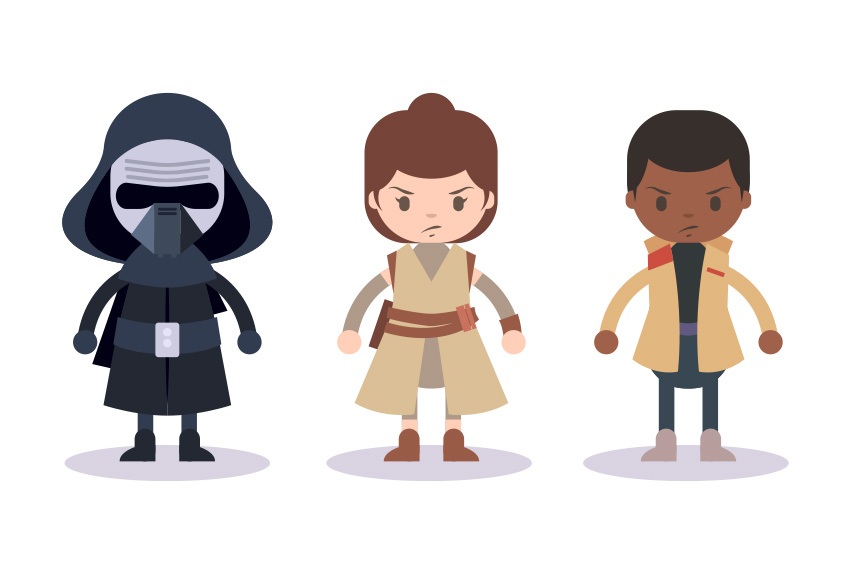
What is the meaning of point of view?

a)

Point of view describes when and where a story takes place.

b)

Point of view describes the conflict in the story.

c)

Point of view is the perspective from which the story is told or who is telling the story

d)

Point of view describes the turning point of the story.
55.

What is characterization?

a)

Character traits

b)

What a character says and thinks

c)

The process in which the author tells the personality of a character.

d)

What a character looks like and what are his actions

56.

What is indirect characterization?

a)

The process by which the narrator tells the audience what the personality of the character is.
b)

The process by which the personality of a fictitious character is revealed through the character's speech, actions, appearance, etc.

57.

What is direct characterization?

a)

The process by which the personality of a fictitious character is revealed through the character's speech, actions, appearance, etc.

b)

The process by which the narrator tells the audience what the personality of the character is.

58.

Is this direct or indirect characterization?

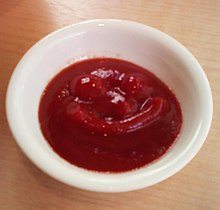
Jack looked at his sister with a strange look on his face after she put ketchup in her milk.

a)

direct

b)

indirect

59.

Diary of a Wimpy Kid


Greg is a conflicted soul: he wants to do the right thing, but the constant quest for status and girls seems to undermine his every effort. His attempts to prove his worthiness in the popularity race (he estimates he's currently ranked 52nd or 53rd) are constantly foiled by well-meaning parents, a younger and older brother, and nerdy friends. No matter how hard he tries Greg can’t stop being a wimpy kid.

a)

Direct

b)

Indirect

60.

Captain Jack Sparrow from Dead Man’s Chest

An arm reaches through a blasted hole, finds and opens a latch. The lid swings open. Captain Jack Sparrow sits up. Jack panics a bit, searching his casket – finds his hat, puts it on. That makes him feel a little better. He looks down. Bows his head, crosses himself.

a)

Direct

b)

Indirect

61.

The main idea of a text is....

a)

what the text is a little bit about

b)

what the text is never about

c)

what the text is sometimes telling you

d)

what the text is mostly or mainly about

62.

What might be the central idea of a book titled "Eat Your Fruits and Vegetables?"

a)

Tomatoes are good for you.

b)

Strawberries have seeds on the outside.

c)

It's important to eat vegetables and fruit.

d)

Spinach is good for your bones.

63.
There are many fun things to do at the beach.  Swimming is one thing that can be done at the beach.  Snorkeling is another thing that can be enjoyed.  Playing beach volleyball can be a lot of fun.  It is also fun to look for shells.  Some people simply like to sunbathe.
What is the main idea?
a)
There are many fun things to do at the beach.
b)
It is also fun to look for shells.
c)
Some people simply like to sunbathe.
d)
Going to the beach to swim can be fun.
64.
What does "R" stand for in RACE?
a)
Really consider the evidence
b)
Restate the question
c)
Rethink your answer
d)
Revise your writing
65.
What does "A" stand for in RACE?
a)
Answer the question
b)
Argue your point
c)
Ask a question
d)
Apply evidence
66.
What does the "C" stand for in RACE?
a)
Cite evidence
b)
Change your thinking
c)
Create a response
d)
Convince the reader
67.
What does the "E" stand for in RACE?
a)
Explain your evidence
b)
Explain your question
c)
Expect a response
d)
Engage the reader
68.
How would you restate the question, "How does the author create a feeling of sympathy?"
a)
Did you ever wonder how an author creates sympathy?
b)
The author of this text creates a feeling of sympathy by...
c)
Sometimes authors create sympathy
d)
Sympathy is a feeling that authors can create
69.
Which is the appropriate sentence starter when you're citing evidence?
a)
The author states...
b)
This means...
c)
Because of this...
d)
In conclusion
70.

The part of RACE where you find a quote and copy it word for word from the text using quotation marks or put the quote in your own words mentioning that the author pr passage states something

a)

Answer

b)

Cite

c)

Explain

d)

Summarize

71.

The part of RACE where you use part of the question to begin your paragraph.

a)

Explain

b)

Cite

c)

Summarize

d)

Restate

72.

The part of RACE where you respond to the question asked about the text.

a)

Answer

b)

Cite

c)

Explain

d)

Summarize

73.

You would use this phrase for which part of RACE - This quote demonstrates...

a)

Restate

b)

Summarize

c)

Cite

d)

Explain

74.
Why do we use the RACE strategy.
a)
To get a good grade.
b)
To find the answer.
c)
To help us read.
d)
To completely answering Questions about a reading.
75.

When copying a piece of evidence from the text, there should be what around the evidence?

a)

Commas

b)

Quotations

c)

Parenthesis

d)

Colons
