
 Worksheets
Unit 3 Chemical Reactions Review (2021)
Total questions: 46
Worksheet time: 33mins
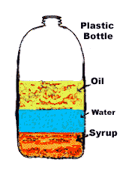
What kind of properties can only be observed when a substance changes into a new and different substance?
physical properties
chemical properties
liquid properties
real properties


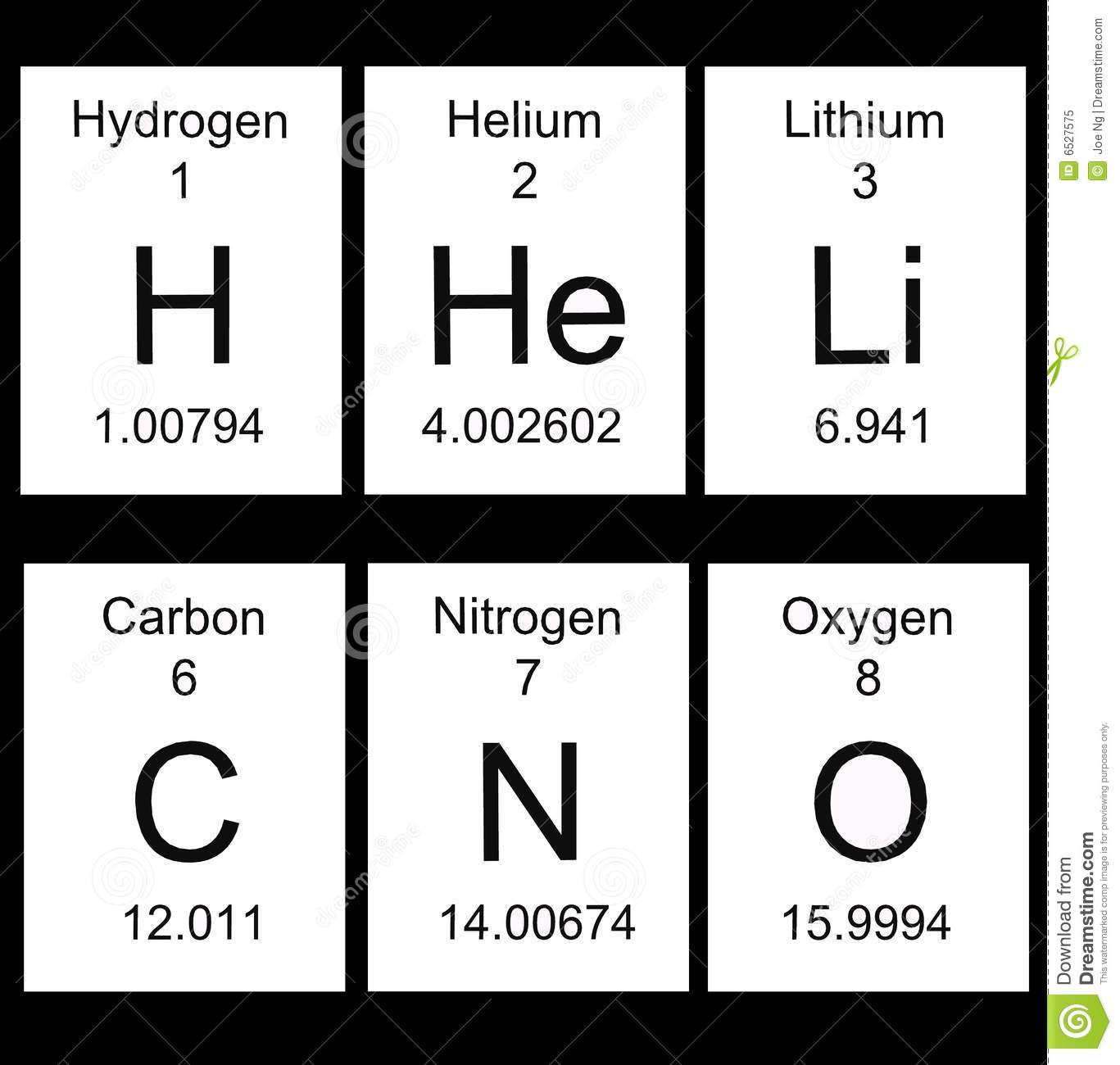

How many elements are liquid at room temperature?
Most of them.
Two of them.
11 of them.
None of them.

Which is true about the element Tungsten (W)?
It is a noble gas.
It is a solid non-metal.
It is a solid alkali metal.
It is a solid metal.

Which is NOT true about the families of the Periodic Table?
Family #18 is the Noble Gases. They are very safe and stable.
Family #1 is the Alkali Metals. They are very unstable and will explode if placed in water.
All elements in the same family (or group) have very similar properties, just like the members of your own family.
Families are organized by the state of matter of each element. In other words, all liquids are in the same family, all solids are in the same family, and all gases are in the same family.
The last column on the Periodic Table of Elements, Family 18, are very stable and don't react with any thing. They are called the....
Alkali Metals
Unreactive Elements
Noble Gases
Non-Metals
Family #1 is called the Alkali Metals and they...
are very safe and stable
are all liquids and gases
smell like chicken
are all very volatile and explode if placed in water

How many total atoms does this molecule contain?
a billion
5
2
11

How many different elements is this molecule made up of?
2
3
11
746354242637495050398376125651142563637373

How many total elements are in one molecule of table salt?
1
2
3
4

How many total atoms are in one molecule of table salt?
1
2
3
4
Which of the following is a chemical change?
water freezes to form ice
sugar dissolves in water
gasoline burns in a car engine
a piece of metal expands when it is heated
If you combine two substances in a flask at room temperature and the beaker feels cold to the touch, it means that the substances:
have not reacted with each other
have undergone an endothermic reaction
have undergone a physical change
have undergone an exothermic reaction
In any chemical reaction, the mass of the products is always:
slightly less than the mass of the reactants
much less than the mass of the reactants
the same as the mass of the reactants
greater than the mass of the reactants
The Law of Conservation of Mass states that during a normal chemical reaction, mass is NOT ________________________, the atoms are just rearranged to form new substances.
created or destroyed
bent and twisted
lost and found
weighed and measured

Natural Resources are created...
in a factory.
in a laboratory.
by mother nature or the Earth.
from thin air.
Which one of these is a RENEWABLE resource?
oil
crops
natural gas
gold
A synthetic product is created...
by mother nature or the Earth.
in a factory of a lab by humans.
deep underground in a mine.
Which one of these is NOT a positive impact of synthetic products?
Many are made using non-renewable resources.
They are cheaper to make than natural products.
They are easier and faster to make than natural products.
Many are stronger and more durable.
Synthetic products are made by humans in a factory or lab using a.....
chemical reaction
large machine
toxic chemicals
millions and billions of molecules
What are the two kinds of natural resources?
renewable and infinite
renewable and noninfinite
nonrenewable and finite
nonrenewable and renewable
You can make synthetic products from these things...
Plant based resources
Animal based resources
Petroleum based resources
All of the above
Synthetic materials are not biodegradable, made from non-renewable resources, are often highly flammable, and require large amounts of energy to produce. These impacts are all considered to be __________________ associated with using synthetic materials.
positive benefits
negative drawbacks

