
NEW
Font size
 Worksheets
3.2 Chromosomes
Total questions: 22
Worksheet time: 11mins

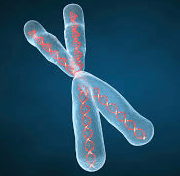
An organism's reproductive cells, or sex cells, are called _____.
bacteria
prokaryotes
gametes
pathogens
Chromosomes that are paired by size and content are called _______ chromosomes.
homeostasis
homologous
matching
sister
Body cells are also called _________ cells.
normal
prokaryotic
pathogens
somatic
Cells that contain 2 sets of chromosomes are called _________ (2n).
diploid
haploid
triploid
polyploid
The 23rd pair of chromosomes that do determine the sex of an individual are called ___________.
sex chromosomes
autosomes
homologous
genes
The 2 male sex chromsomes are _____.
XY
XX
A photo of the chromosomes in a dividing cell that are arranged by size is called a _________.
mutation
gene
picture
karyogram

What does the karyogram show?
A normal male
A normal female
A male with Down syndrome
A female with Down syndrome
If the haploid number of a species is 20, what is the diploid number?
40
20
10
24
What is a gene locus?
An organism's entire genome
A detrimental genetic mutation
The position of a chromosome within a karyogram
The position of a specific gene on a chromosome
The diploid number of chromosomes in humans (Homo sapiens) is 46 and the diploid number of chromosomes in rice (Oryza sativa) is 24. What does this indicate about diploid chromosome numbers?
Plant species have a lower diploid number of chromosomes in animals.
Members of a species have the same diploid number of chromosomes.
The evolutionary progress of species is determined by the diploid number of chromosomes.
The complexity of the organisms is correlated to the diploid number of chromosomes.
I. Size of the chromosomes
II. Gene mutations of the chromosomes
III. Age of the individual

What is number 1 called?
chromosome
centromere
sister chromatids
chromatin

What is number 2 called?
centromere
chromosome
chromatid
homologous chromosomes

What is number 3 called?
chromosome
homologous chromosome
sister chromatids
chromatid


