
 Worksheets
Grade 8 Review Quiz
Total questions: 35
Worksheet time: 26mins
What kingdom would a human belong to?
Plant
Animalia
Protist
Fungi
Who created the system of Taxonomy?
Albert Einstein
Carolus Linnaeus
Aristotle
Copernicus
The LARGEST classification group (at the top) is:
Very exclusive
Very inclusive
Very small
Very specific
Binomial Nomenclature takes which two taxons to name a species?
Genus and Kingdom
Phylum and Class
Family and class
Genus and species
What would the scientific name of this organism be?
Kingdom: Animalia
Phylum: Chordata
Class: Aves
Order: Charadriiformes
Family: Laridae
Genus: Thalasseus
species: maximus
thalassues maximus
Anamalia maximus
Aves chordata
Thalassues maximus

Why do scientists use scientific names?
to confuse people
to have a common language
to allow people to say the same thing
because common names are not appropriate
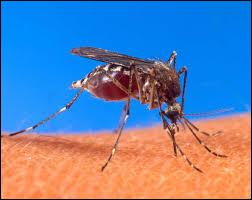

Heterotrophs- obtain food from other animals.
Observing the table above, Fungi and Animals are________?
the variety of life in the world or in a particular habitat or ecosystem
biodiversity
demography
carrying capacity
poaching
The positive particle in an atom.
proton
neutron
electron
electron cloud

How many protons does Nitrogen have?
7
8
14
14.01

Which of the labeled structures is a neutron?
a
b
c
He believed that matter is made of small solid objects that cannot be divided, created, or destroyed called atomos.
Aristotle
Democritus
Dalton
Bohr

The nucleus of an atom contains which subatomic particles?
protons and electrons
protons and neutrons
electrons and neutrons
protons, electrons, and neutrons


Position that an organism occupies based on what it eats
Producer
Trophic level
Heterotroph
Consumer

What would happen to the bird if the green fish died out?
the bird population would grow
the bird population would die out
the smaller fish will die out


How many electrons does the element Selenium have?
(a)

Determine how many Neutrons does the element Polonium have.
(a)
the basic structural unit of matter
atom
matter
element
nucleus
a row on the Periodic Table of Elements
family
period
row
isotope
a grouping of elements based on similar properties, arranged by columns in the periodic table; also known as a group
family
period
row
isotope
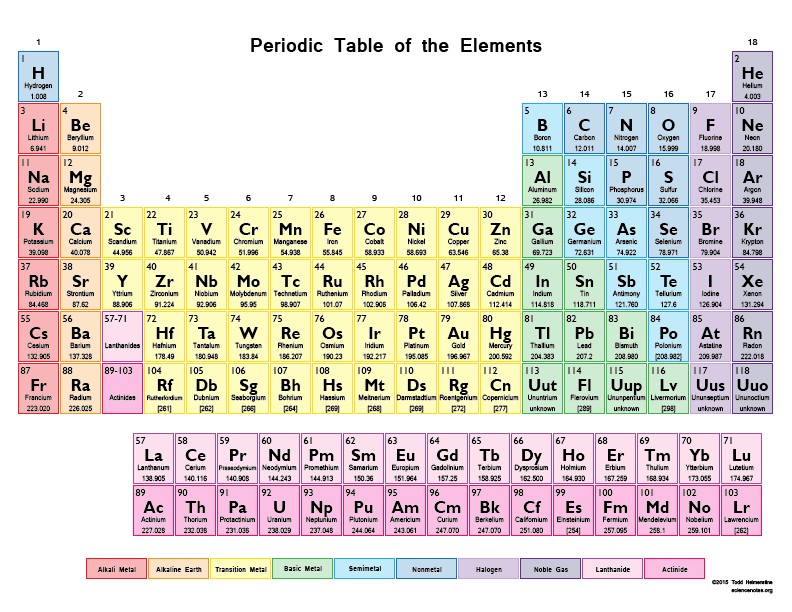
How many protons are in a sodium atom, Na? (tap to enlarge the periodic table)
Sodium has 1 proton.
Sodium has 3 protons.
Sodium has 11 protons



