
 Worksheets
Chapter 9 Natural Resources
Total questions: 23
Worksheet time: 12mins
What process is used in nuclear power plants?
uranium steam
nuclear fission
nuclear fusion
cold fusion

Which phase of nuclear power generation actually produces the electricity sent out to homes?
A
B
C
D
Which source of non-renewable energy is the least used in the United States?
solar power
coal
hydroelectric power
nuclear power

What structure shown in this figure prevents natural gas from rising to the surface?
impenetrable rock
water in spaces between rock
oil
natural gas
What is resource that is used up faster then it can be replenished called?
renewable resource
solar energy
non-renewable resource
wind energy
What is the difference between active and passive solar energy?
Active solar energy relies on technology, while passive solar energy relies on design elements.
Active solar energy relies on design elements, while passive solar energy relies on technology.
Active solar energy feeds 50% of the collected energy into the local power grid.
Passive solar energy is stored in capacitors until needed.
Which type of energy production relies on hot water from the earth to produce electricity?
Solar energy
Hydroelectric power
Biomass energy
Geothermal energy
Biodiesel fuel is an example of what renewable energy source?
Hydro-electric energy
Fuel cell energy
Biomass energy
Solar energy
What is a large group of wind turbines used to capture wind energy called?
wind fields
wind farms
high wind areas
migration paths

What percent of the energy used in 2007 in the United States came from renewable resources?
7%
15%
45%
62%

What factors caused the changes seen in the figure
forest fires
coal mining
changing land use from forest to agriculture
biodiesel production
Which category is the biggest use of land in the U.S.?
urban
forest
agriculture
grassland
What is the definition of runoff?
unabsorbed rainwater that flows over the Earth's surface
absorbed rainwater traveling underground
rainwater channeled through city canals or sewers
the percentage of water that evaporates after rain

From this chart what total percent of land use involves some type of food production?
3%
20%
23%
46%
What is another term for mineral deposits?
claim
metal
mines
ore

From this chart, which is the best recommendation that might be made to the school of reducing water use?
Shut the water off except during lunch time.
Take out all classroom faucets.
Fix the leaks in the faucets, water fountains and toilets.
Shut water off during the weekend while school is not in session.
Which of the following is not a natural source of air pollution?
forest fires
volcanoes
swamp gasses
camp fires

From the graph estimate the amount of decrease in sulfur in the air from 1980 through 2005.
There is less than half the sulfur present in the air in 2005 than in 1980.
There is only slightly less sulfur present in 2005 than in 1980.
The decrease was much more rapid from 1980 to 1990 than from 1990 through 2005.
The results can not be determined because the graph stops at 2005.
What is formed when nitrogen compounds in the air react with sunlight?
photoelectric smog
chemical soot
chemical pollution
photochemical smog
What does precipitation need in order to be considered acid precipitation?
oxygen compounds
a pH of less then 5.6
hydrogen compounds
temperatures above 25°C
Which is a natural resource?
steel
water
plastic
electricity
Natural resources can be
living and nonliving
deadly or non deadly
cheap or expensive
very smelly
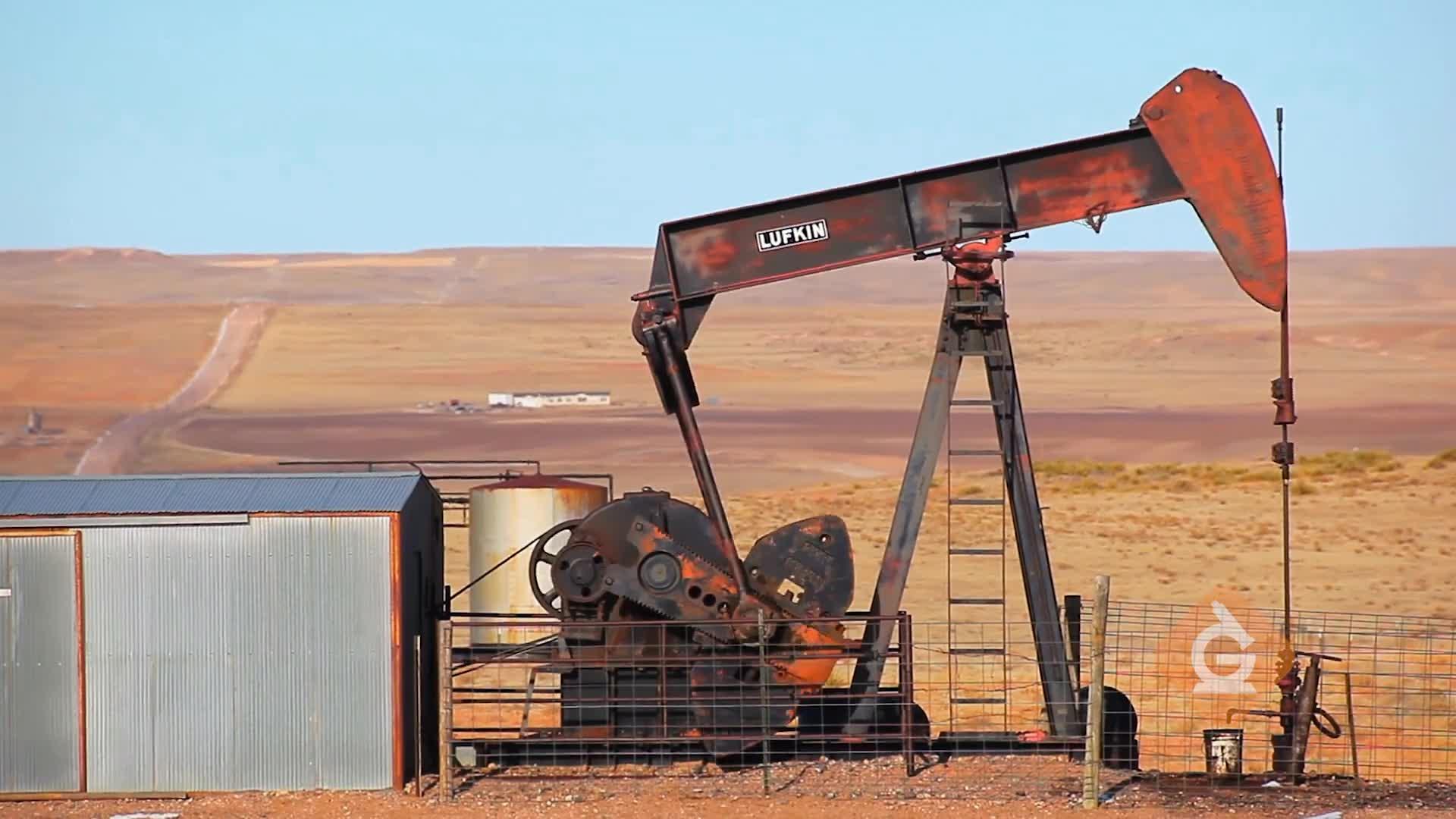
Which are ways we use fossil fuels?
eating and drinking
arts and crafts
paper and building
cars and heat

