
NEW
Font size
S
M
L
XL
 Worksheets
Supreme Court Cases
Total questions: 20
Worksheet time: 10mins
Name
Class
Date
1.
which court is highest
a)
Supreme Court
b)
Court of Appeals
c)
Distict Courts
2.
What did the marbury vs madison establish?
a)
It establish the judicial review
b)
It establish nothing
c)
It establish the rights of humans
3.

This case determined the Supreme Court had the ability to declare a law unconstitutional.
a)
Tinker v. Des Moines
b)
Marbury v. Madison
c)
Hazelwood v. Kuhlmeier
d)
U.S. v. Nixon
4.
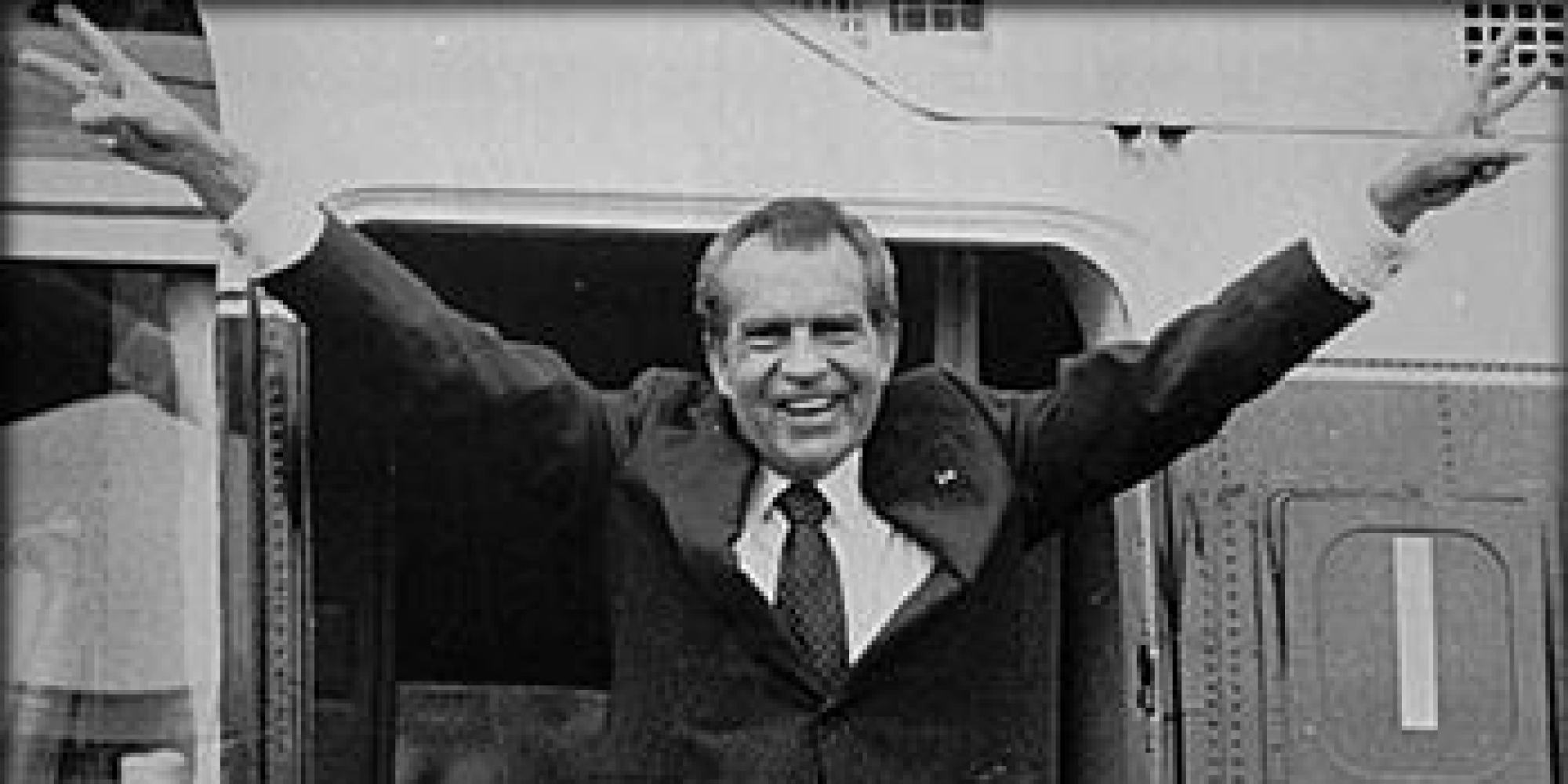
No one is above the law...not even the president.
a)
Bush v. Gore
b)
Marbury v. Madison
c)
Miranda v. Arizona
d)
U.S. v. Nixon
5.

Determined "Executive Privilege" could only be used when national security was threatened.
a)
Bush v. Gore
b)
U.S. v. Nixon
c)
D.C. v. Heller
d)
Miranda v. Arizona
6.
Determined the FL Supreme Court could not order a recount of ballots.
a)
Marbury v. Madison
b)
Bush v. Gore
c)
U.S. v. Nixon
d)
Hazelwood v. Kuhlmeier
7.
The Supreme Court hears what type of law?
a)
Constitutional
b)
Civil
c)
Criminal
d)
Military
8.
This Supreme court decision serves as a reminder that rule of law applies to the President of the United States.
a)
United States v. Nixon
b)
Miranda v Arizona
c)
Bush v. Gore
d)
Washington D. C. v Heller
9.
This Supreme court decision that declared the recount of votes in a presidential election unconstitutional.
a)
United States v. Nixon
b)
Miranda v Arizona
c)
Bush v. Gore
d)
Washington D. C. v Heller
10.
This Supreme Court case established students first amendment right to freedom of the PRESS is limited at school
a)
Brown v. Board of Education, Topeka Kansas
b)
Tinker v. DesMoines
c)
Hazelwood School District v. Kuhlmeier
d)
In re Gault
11.
This Supreme Court case established students have a first amendment right to freedom of SPEECH as long as it doesn't cause a disruption.
a)
Brown v. Board of Education, Topeka Kansas
b)
Tinker v. DesMoines
c)
Hazelwood School District v. Kuhlmeier
d)
Gideon v Wainwright
12.
The Supreme Court is an appellate court. An appellate court ____________ cases.
a)
makes the first decision
b)
reviews the decision made by a lower court
13.

The ___ is the highest law in the United States.
a)
Declaration of Independence
b)
Articles of Confederation
c)
Monroe Doctrine
d)
Constitution
14.
How are Supreme Court justices selected?
a)
Appointed by the Senate, approved by the President
b)
by an election
c)
Appointed by the President, confirmed by the Senate
d)
Congress selects them
15.
Supreme Court cases that established that separate is equal, therefore making segregation legal.
a)
Plessy v. Ferguson
b)
Brown v. Board of Education Topeka, Kansas
c)
Washington D.C. v. Heller
d)
United States v Nixon
16.
Supreme Court case that established separate is NOT equal, therefore DESEGREGATING public schools.
a)
Plessy v. Ferguson
b)
Brown v. Board of Education
c)
Gideon v. Wainwright
d)
Bush v. Gore
17.
This Supreme Court case established that all citizens have a right to an attorney (legal counsel) even if they can not afford one.
a)
District of Columbia v. Heller
b)
Tinker v. DesMoines
c)
Hazelwood School District v. Kuhlmeier
d)
Gideon v Wainwright
18.

Suspects cannot be questioned (interrogated) until they are informed of their rights (right to remain silent, right to an attorney, etc.)
a)
Brown v Board of Education
b)
Miranda v Arizona
c)
Tinker v Des Moines
d)
Bush v Gore
19.

Juveniles are allowed to have “Due Process” rights. (right to a trial, right to an attorney, right to question witnesses, etc.)
a)
District of Columbia v Heller
b)
Tinker v Des Moines
c)
In Re Gault
d)
Miranda v Arizona
20.

States cannot prohibit handgun ownership. (Protected the 2nd Amendment)
a)
Gideon v Wainwright
b)
District of Columbia v Heller
c)
United States v Nixon
d)
Bush v Gore
Reset

