Wayground logo

Free Printable Worksheets

Font size

S
M
L
XL
Worksheets

Punnett Squares

Total questions: 25

Worksheet time: 39mins

Name
Class
Date
1.

In a heterozygous genotype, the ___________ allele takes over in the phenotype.

a)

recessive

b)

dominant

c)

both

2.

Which of the following alleles is purebred recessive?

a)

Tt

b)

tt

c)

TT

3.

Aa, DD, Ba, and yy are all examples of ---

a)

genotypes

b)

phenotypes

4.

Which of the following genotypes is homozygous dominant?

a)

aa

b)

Aa

c)

AA

5.

Which of the following genotypes is heterozygous?

a)

Bb

b)

BB

c)

bb

6.

Why do scientist use Punnett Squares?

a)

A tool scientist use to to see alleles

b)

A tool scientist use to see which alleles are dominant

c)

A tool scientist use to determine possible genotypes for offspring
7.

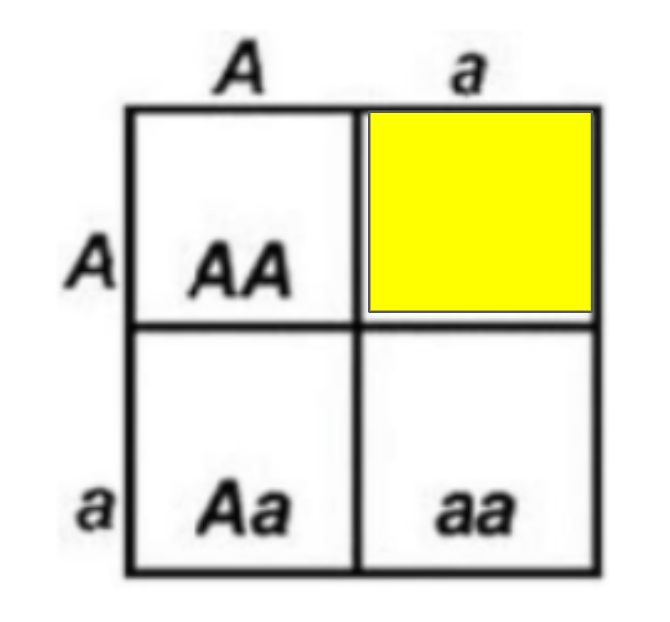
Fill in the Yellow Box

a)

AA

b)

Aa

c)

aa

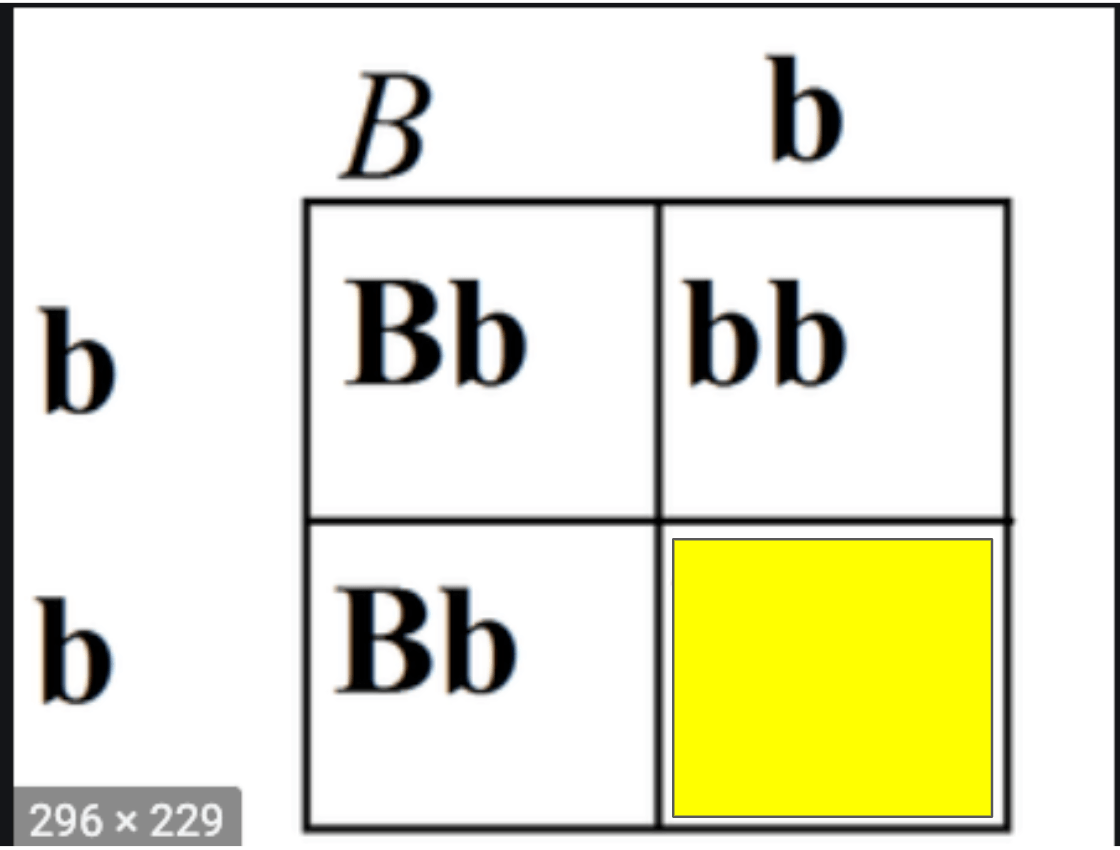
8.

Fill in the Yellow Box

a)

Bb

b)

BB

c)

bb

9.

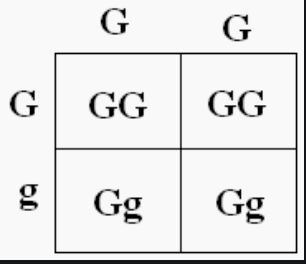
The punnett square is used to tell the color of a frogs skin. "G" means green skin and "g" means brown skin. What is the chance the baby frogs will have brown skin?

a)

0%

b)

25%

c)

50%

d)

100%

10.
In pea plants, the tall allele is dominant to the short allele. What key would demonstrate this?
a)
Tall = T
Short = S
b)
Tall = T
Short = t
c)
Tall = t
Short = T
d)
Tall = TT
Short = tt
11.
Identify the homozygous dominant genotype:
a)
FF
b)
Ff
c)
ff
12.
Heterozygous is when...
a)
the alleles are the same
b)
the alleles are different
c)
the alleles are absent
d)
the alleles are present
13.
Dominant alleles are represented by a:
a)
Male gene
b)
lowercase letter
c)
recessive trait
d)
capital letter
14.
Aa is
a)
homozygous
b)
heterozygous
15.
Which of the following is a phenotype?
a)
Aa
b)
red hair
c)
heterozygous
d)
DNA
16.
What is a punnett square?
a)
graph used to predict the possible genotypes of offspring in a given cross
b)
a graph used to predict the possible birth rate of offspring.
c)
a graph used to predict the possible behavioral characteristics an offspring could have
d)
None of the above
17.
In a punnet square where are the parent alleles written?
a)
Top and inside the boxes
b)
Only on the left and right side of the boxes. 
c)
outside of the boxes (top and left side)
d)
All on the top side of the boxes
18.
Genotype refers to the ...
a)
physical expression of the genes
b)
the possible combination of alleles in a gene
c)
whether an allele is dominant or recessive
d)
how an organism will appear
19.
What is the dominant trait?
a)
yellow pea seeds
b)
green pea seeds
c)
there is no dominant seed
d)
Jolly green giant
20.
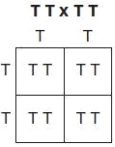
What ratio of the offspring from the cross shown will be homozygous recessive for the  trait of tallness? 
a)
0 in 4
b)
1 in 4
c)
2 in 4
d)
4 in 4
21.
What you see, or the physical appearance.
a)
Genotype
b)
Phenotype
c)
Homozygous
d)
Heterozygous
22.

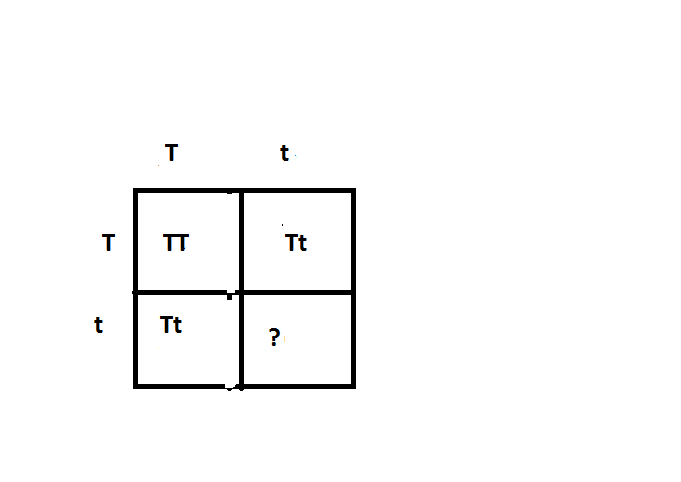
T - tall and t = short

In the punnett square below, what belongs in the missing square

a)

tt

b)

Tt

c)

Bb

d)

TT

23.

Which of these characteristics would not be passed on to its offspring?

a)

fur color

b)

length of tail

c)

scars on leg

d)

body size

24.

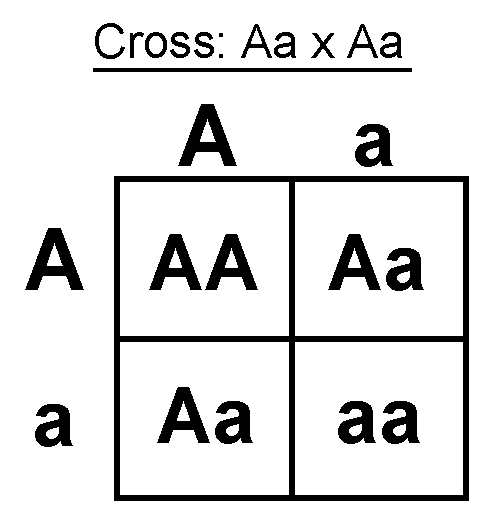
What is the genotypic ratio of the offspring?

a)

3:1

b)

1:3

c)

1:2:1

d)

2:2

25.

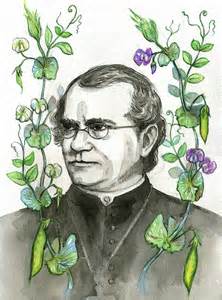
Who is considered the "father of genetics"?

a)

Reginald Punnett

b)

Gregor Mendel

c)

James Watson

d)

Charles Darwin