
 Worksheets
EBCCS6: Ancient Egypt Unit Final
Total questions: 117
Worksheet time: 4hrs 54mins
Where is the fertile land in Egypt found?
In the deserts
On the banks of the rivers
Where was the "RED LAND"?
In the deserts
On the banks of the river
Why are the Red Lands GOOD for to the people of Egypt?
They keep out invaders
They blow in sand to grow crops in
They allow easy access to other countries for trade
They keep it the perfect temperature to farm
Why are the Red Lands BAD for to the people of Egypt?
They are too hot to grow food, to travel & to trade
They provide too much rain and flood the crops
They have evil sand monsters inside
They are too cold for plants to survive

The Nile river flows ________ and empties into the ________.
A. south; Red Sea
B. south; Mediterranean Sea
C. north; Red Sea
D. north; Mediterranean Sea
Egypt is on which continent?
Antarctica
Asia
Africa
Europe
What is the worlds longest river?
Amazon
Nile
Mississippi
What region of Egypt was located around the Nile River Delta?
Lower Egypt
Upper Egypt
What region of Egypt is furthest upstream, away from the Mediterranean Sea?
Lower Egypt
Upper Egypt
Each year the Egyptian people would pray for the annual ________ of the Nile River.
harvest
flood
drought
What two geographic features were natural barriers, protecting the Egyptians from invaders?
Mediterranean Sea and the Red Sea
The cataracts and the Mediterranean Sea
Eastern and Western Desert
What are the three stages or seasons in Ancient Egypt?
Inundation, Emergence and Harvest seasons
Harvest, Drought and Growing seasons
Flood, Growing and Summer seasons
How did the Nile River benefit Egyptians? (select all that apply)
fresh drinking water
floods destroyed homes and crops
floods provided silt
papyrus grew near the river
a waterway for transportation
Egypt is surrounded by desert, what is a benefit of this?
The temperature is warm
The sand is soft
Protection
Easy to navigate

Lower Egypt is located at the top part of the map. It has ____ elevation than the southern part of Egypt.
the same
a higher
a lower
Delta Dawn is my favorite song!

______ Egypt is located at the bottom part of the map. It is higher in elevation than the northern part of ancient Egypt.
Eastern
Western
Lower
Upper

What is "3?"
Delta Dawn
Nile Delta
Delta Airlines
Mississippi Delta

What is indicated by the "1" in the top left corner of this map?
Lower Egypt
Upper Egypt
Red Sea
Nile Delta

Name the geographical feature indicated by a "2."
Nile River
Red Sea
Dead Sea
Mediterranean Sea
What is "3?"
Delta Dawn
Nile Delta
Delta Airlines
Mississippi Delta

Name the item indicated by a "4."
Lower Egypt
Mediterranean Sea
Red Sea
Upper Egypt

Look carefully at what the "5" box is pointing to on the map. What is it?
Nile River
Upper Egypt
Lower Egypt
Nile Delta

Name the area indicated by Box 6.
Lower Egypt
Upper Egypt
Nile Delta
Nile River
Which material was used to make paper?
Papyrus
Flax
Why are the Black Lands GOOD for the people of Egypt?
The INUNDATION/ flooding has deposited fertile soil
They blow in sand to grow crops in
They allow easy access to other countries for trade
They keep it the perfect temperature to farm
During the INUNDATION stage, what event occurs?
Flooding of the Nile River
Drought
Planting and growing
Collecting of food
During the EMERGENCE stage, what occurs?
Flooding of the Nile River
Drought
Planting and growing
Collecting of food
During the HARVEST stage, what occurs?
Flooding of the Nile River
Drought
Planting and growing
Collecting of food
Where was the "BLACK LAND"?
In the deserts
On the banks of the river
The Nile River was not only a GIVER OF LIFE, unfortunately it was also a TAKE OF LIFE. Identify examples of this fact. (Select ALL that apply)
Many people accidentally drowned
Unexpected and extreme rainfall washed away crops.
Light flooding during the Inundation resulted in poor soil deposits and crops would not grow.
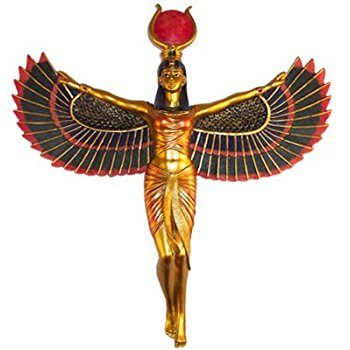

He is the sun god; he is also the king of all gods.
RA
OSIRIS
ISIS

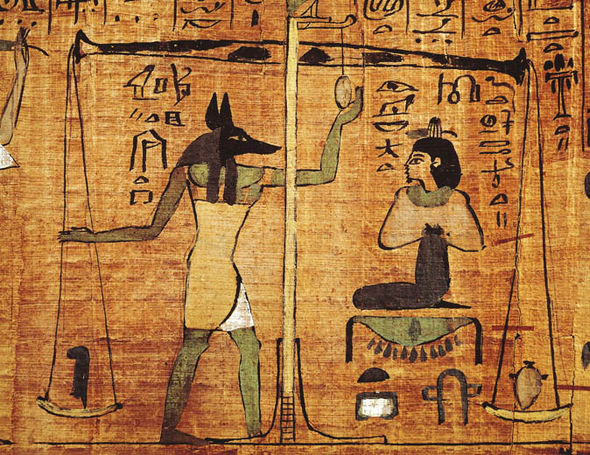
How did the people of ancient Egypt believe the spirits of the dead make their way to the afterlife?
by boat
by camel
flying through the air
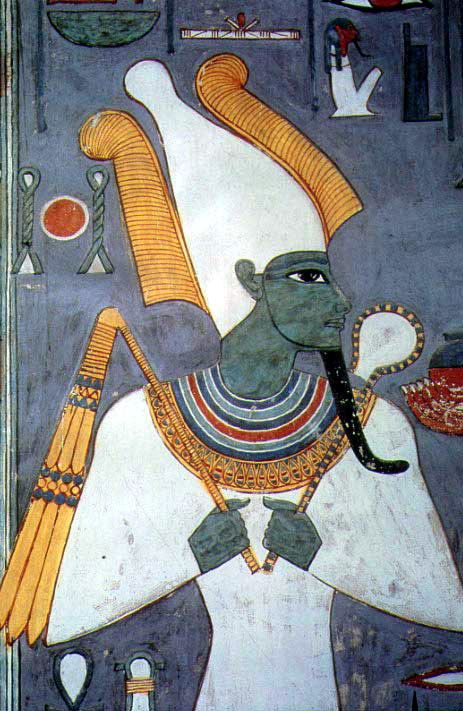

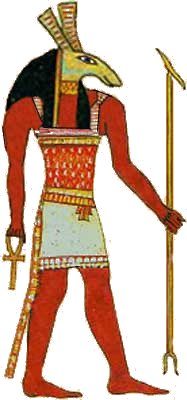
He is the sun god. Wearing a large crown he sails in a boat across the sky between heaven and earth.
Osiris
Anubis
Ra
Seth

This god has many roles. He is the messenger to Osiris, guard of the scales during the heart weighing ceremony, and in charge of embalming and mummification. He has the head of a jackal.
Anubis
Seth
Horus

Who ruled all of Egypt as a "god-king"?
Pharaoh
Farmer
Artisan

Egyptian writing using symbols
hieroglyphics
cuneiform

This god is the sun god. He drives his chariot across the sky every day and goes to the underworld at night.
Horus
Anubis
Seth
Ra

This god is the god of the pharaoh. Pharaohs were believed to be this god on earth.
Horus
Ra
Thoth
Anubis

This god decides who will have an afterlife. He weighs the mummy's heart on his scale.
Osiris
Anubis
Bast
Thoth

This is the goddess of magic. She is Osiris's wife who put him back together as a mummy.
Bast
Amun
Horus
Isis

This god was jealous of his brother Osiris and cut him into pieces.
Seth/ Set
Ra
Isis
Bast

I am the most important god of Ancient Egyptians. I am the god of the sun. Who am I?
Horus
Ra
Anubis
Thoth

I am the goddess of truth, justice, harmony, and balance. I wear the wears the feather of truth on my head. Who am I?
Bastet
Osiris
Isis
Ma'at

I am the mother goddess. I am the wife of Osiris. It was thought I would protect and help people in need. Who am I?
Bastet
Isis
Ma'at
Sekhmet

I am the Egyptian god of vengeance and the sky. I am pictures as having the head of a hawk. I was thought to be the living version of a Pharaoh. Who am I?
Ra
Horus
Osiris
Thoth

I am the Egyptian god of the underworld and afterlife. I am husband to Isis. I am drawn as mummified man with a feathered crown. Who am I?
Horus
Seth
Osiris
Thoth

I am the Egyptian god of the dead, funerals, and embalming. I am one of the oldest gods of Egypt. I have a Jackal as a head and a human body.
Horus
Seth
Osiris
Anubis

Egyptian were _____________ which means they worshiped multiple gods and goddesses.
polytheistic
monotheistic

Many of the gods and goddesses were depicted as what?
animals
humans
half animal and half human
pyramids

When an egyptian died their bodies were often mummified. Why did they mummify the bodies?
To preserve the body for the afterlife
So they could be studied many years later
For no special reason
They believed they could come back to life

Why did Egyptians believe they need their bodies in the afterlife?
Egyptians believed the afterlife was an extension of their human life.
So they could be studied many years later
For no special reason
They believed they could come back to life and scare people

The Great Pyramid was built for which pharaoh?
King Tut
Djoser
Akhenaten
Khufu

Historians believe which group is responsible for building the pyramids?
Aliens
Farmers
Scribes
Slaves

Which reason best describes why the pyramids were built?
To celebrate the royal family
To store the royal family's stuff
To help the pharaoh reach the afterlife
To help desert travelers find Egypt

True or False: Some pyramids housed several dead bodies.
False
True

True or False: All ancient Egyptian pharaohs were buried in pyramids
False
True

Why did later pharaohs decide to be buried in tombs instead of pyramids?
Tombs took less time to build
Tombs made it easier to reach the afterlife
Tombs were harder to spot by tomb raiders
Tombs were more impressive

On which side of the Nile River were most pyramids built?
The eastern side
The northern side
The western side
The rainier side

Which of these structures is taller than the Great Pyramid?
The Statue of Liberty
The Eiffel Tower
Big Ben
The Leaning Tower of Pisa

True or False: This is a pyramid.
True
False

The first Egyptian pyramid is believed to be
The Red Pyramid
The Pyramid of Djoser
The Great Pyramid of GIza
The Pyramid of Khufu

Nearly all Egyptian Pyramids are located on the west bank of what River?
The Nile River
The Tigris River
The Amazon River
The Guadalupe River

Which continent are the Egyptian Pyramids found in?
Egypt
Africa
Asia
South America

What natural disaster was an annual event in ancient Egypt?
earthquakes
flooding or inundation
tsunamis
desert storms

About how many pyramids did the ancient Egyptians build?
over 100
over 1000
less than 10
less than 80

What did the Egyptians use for building that made them unique among ancient people?
mud brick
clay
cement
stone

What were early ancient Egyptian burial temples called?
steps
doom tombs
mastabas
mummy mounds

Who is Khufu?
Pharaoh who built the Great Pyramid of Giza
Pharaoh who built the Step Pyramid
Pharaoh whose pyramid collapsed
Pharaoh who build the last true pyramid
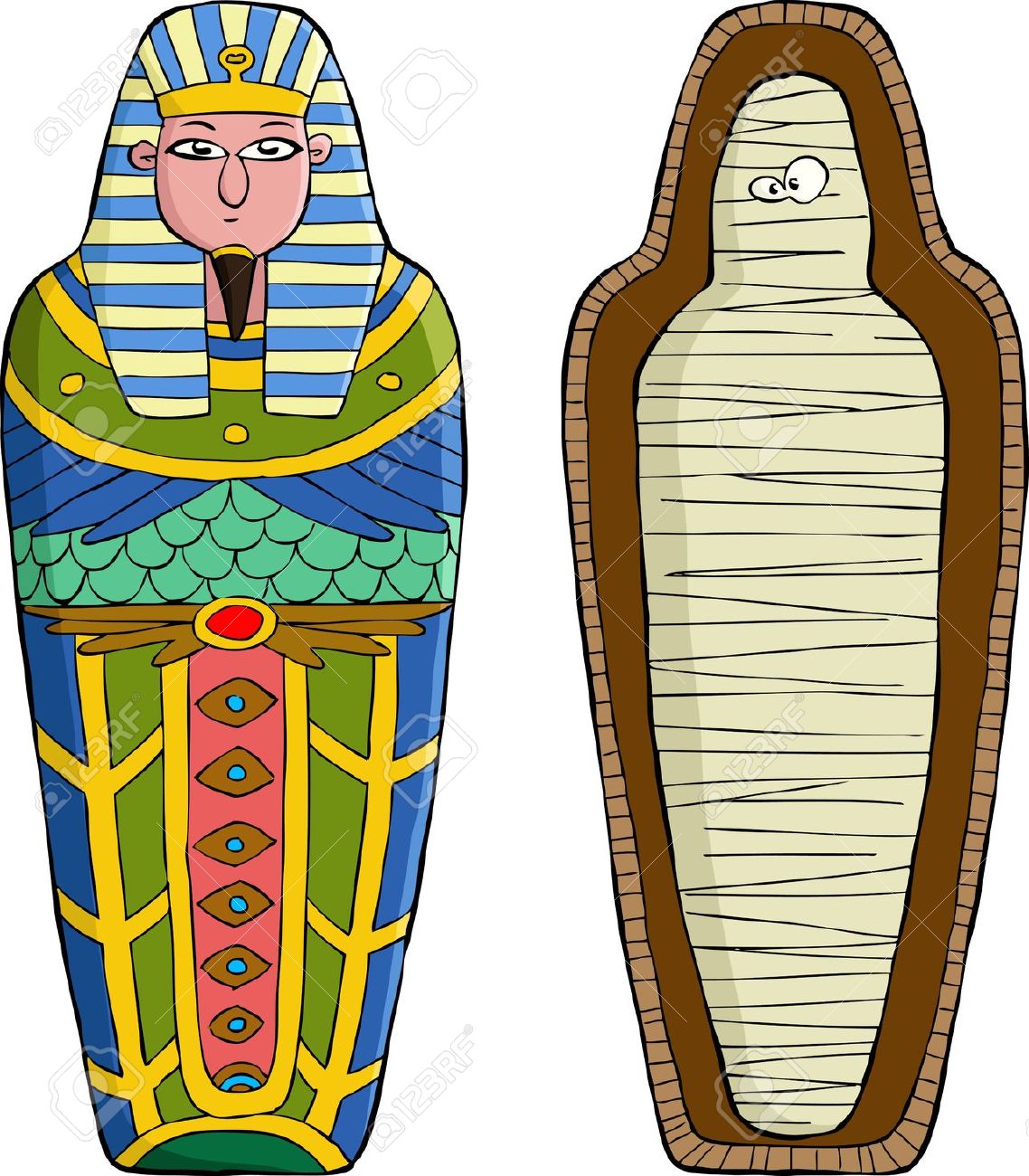
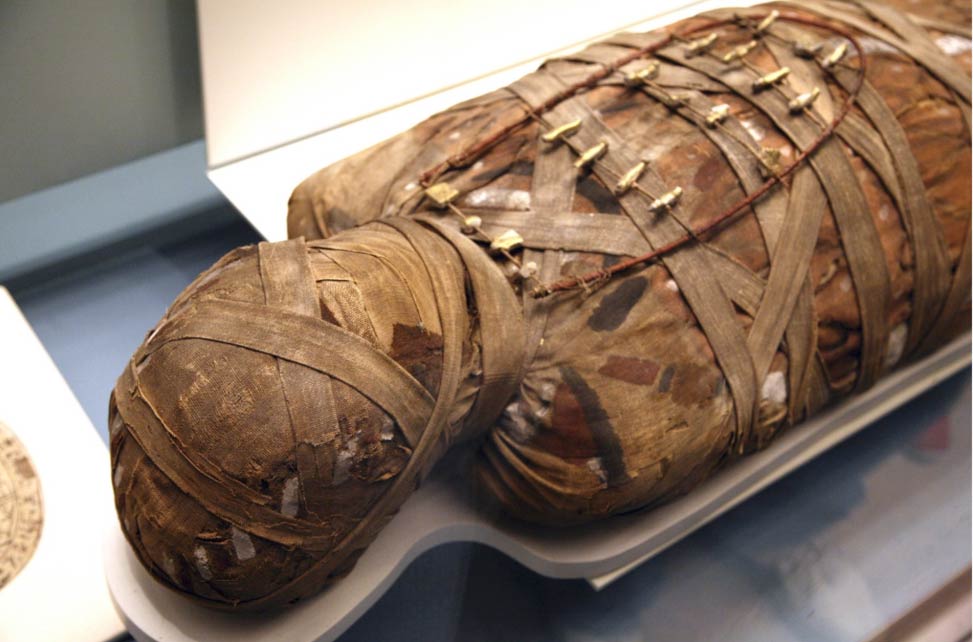
What do the Egyptians remove when they're making a mummy
Organs
Liver
Lungs
All of the above

Why did the ancient Egyptians place the favorite belongings of the pharaoh in his tomb?
So no other human would ever use them
To keep thieves from stealing them
To prevent his servants from stealing them
So they could be used by the pharaoh in the next life

How did ancient Egyptians show their belief in an afterlife?
They believed in only one god
They preserved (Mummified) the bodies of the dead
They became famous warriors
They prayed in temples everyday

The goal of mummification was to
Make sure the body decayed
Preserve the body and achieve immortality
Become one with the universe
None of the above

How many days did it take to mummify a body in ancient Egypt?
5
10
50
70

What was the special salt used to dry the body during mummification?
Sea
Morton
Natron
Iodized

The jars that hold the internal organs of the deceased are called
Canopic
Bell
Ziploc
Mason

The large stone coffin that holds the other wooden coffins is called a
Shaduf
Shenti
Masoleum
Sarcophagus

This book has over 200 spells and prayers that help the deceased to reach the afterlife is known as the
Book of Resurrection
Book of the Dead
Book of Amon Re
Mummification for Dummies

The scene or ceremony where a person's soul was judged is known as the
Weighing of the Heart
Opening of the Mouth
Capturing the Ba
Freeing the Ka

person's soul is weighed against this to see if it is free of sin
Feather of Guilt
Feather if Innocense
Feather of Truth
Feather of Ignorance

The only organ left in the body was the ______ it was believed to be the center of intelligence
Brain
Heart
Liver
Stomach

To protect the body & help the soul reach the afterlife these were put in the mummy wrappings
Frankincense & Myrrh
Gold Coins
Precious Gems
Magical Amulets

Which is not a reason the Egyptians mummified people?
They were afraid of death and missing the afterlife.
They wanted to imitate what Osiris had done.
To help with the funeral celebration.
To give families more time to prepare for the funeral

Who were the only people typically not mummified?
The poor
Worst criminals
Pharaohs
Children

Which god did the chief priest/embalmer dress up as during the process?
Osiris
Horus
Anubis
Thanos
Which god did the chief priest/embalmer dress up as during the process?
Osiris
Horus
Anubis
Thanos

What is the correct order of the events of mummification?
cover the body in salt→mask placed on mummy→removal of the organs→wrap the body in linen
removal of the organs→cover the body in salt→wrap the body in linen→mask placed on mummy
wrap the body in linen→cover the body in salt→removal of the organs→mask placed on mumy
mask placed on mummy→cover the body in linen→removal of the organs→cover the body in salt

Why did the ancient Egyptians place the belongings in the their tombs when they died?
They tried to prevent their servants from stealing them
They could use them in the afterlife.
They tried to prevent thieves from stealing them.
They didn't want anybody else to use their stuff.

What is another word for the process of mummification?
embalming
papyrus
pharaoh
wrapping
What is another word for the process of mummification?
embalming
papyrus
pharaoh
wrapping
How was Ancient Egyptian society organized?
In a social circle
In a social cube
In a social prism
In a social pyramid
Who was at the top of the Social Pyramid?
Artisans
Pharaoh
Vizier
Priests
What kind of writing did the scribes study
Sanskrit
Hieroglyphs
Cuneiform
Logographics
What were the 2 major regions of ancient Egypt?
Northern & Southern
Upper & Lower
Memphis & Cairo
Upper & Southern

A plant that grew thickly in the marshes of Egypt & was used for making paper.
reed
bamboo
papyrus
cattail
A triangle-shaped area of land made of soil that is deposited at the mouth of a river.
silt
delta
cataract
waterfall
Who was the head of Egyptian society?
priests
slaves
government workers
pharaoh
Who was at the bottom of Egyptian society?
priests
slaves
farmers
pharaoh

What is the object seen in the picture?
pyramid
sphinx
mastaba
obelisk

A series of rulers from the same family is called a ________________.
Dojo
Monarchy
Tribe
Dynasty
Which period lasted from about 2700 to 220- BC in Egyptians history that began shortly after Egypt was unified?
New Kingdom
Old Kingdom
Middle Kingdom
Future Kingdom

The life which much of Egyptian religion focused on was called the Afterlife
True
False

The period from about 1550 to 1050 BC in Egyptian history, when Egypt reached the height of its power and glory.
Old Kingdom
Middle Kingdom
New Kingdom

