
NEW
Font size
 Worksheets
Unit 10 Earth, Sun, and Moon
Total questions: 33
Worksheet time: 39mins

The diagram below shows how Earth spins on its axis, causing day and night. Which term best describes the movement shown?
tilt
orbit
rotation
revolution
How long does it take Earth to complete one orbit around the sun?
1 day
365 1/4 days
60 days
27 days
The earth rotating on its axis causes
seasons
years
days and nights
sun spots

This picture shows Earth rotating. When the Earth makes one complete rotation on its axis, how much time has passed?
365 days
24 hours
30 days
10 days

What is the invisible path the Earth takes around the Sun called?
an equator
an axis
a rotation
an orbit
The imaginary line that runs down Earth through the North and South pole is called its:
axis
equator
crust
mantle

The tilt of Earth on its axis causes:
day and night
the seasons
gravity
wind

Constellations are stars that appear to be in a pattern.

When you look through a telescope, what seems to be increased?
shape
color
distance
size
There are ____________ stars in the sky
hundreds
thousands
billions

What is the north star called?
Dubhe
Ursa
Polaris
Sun
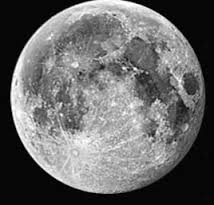
Name the moon phase
First Quarter
Third Quarter
New Moon
Full Moon
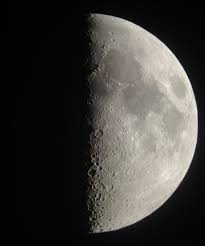
Name the moon phase
First Quarter
Third Quarter
New Moon
Full Moon


Which moon phase is shown in this diagram?
new moon
first quarter
full moon
3rd quarter
What causes the moon's phases
Where you are standing on Earth
the amount of sunlight reflected onto the moon from the sun
The tilt of Earth
how fast the moon is moving
What is the 2nd planet from the Sun?
Mercury
Venus
Earth
Mars
How many natural satellites does Earth have?
1
2
3
4
What do the inner planets have in common?
they all have an atmosphere
they all have clouds
they all have water
they all have a rocky surface


a chunk of ice and rock that has an elliptical orbit around the sun
comet
asteroid
moon
planet

7th planet from the sun. It orbits on its side.
Jupiter
Neptune
Uranus
Saturn

What gas gives Neptune its blue color?
oxygen
methane
carbon dioxide
ice
The Earth revolves around...
Moon
Sun
Mars
Jupiter
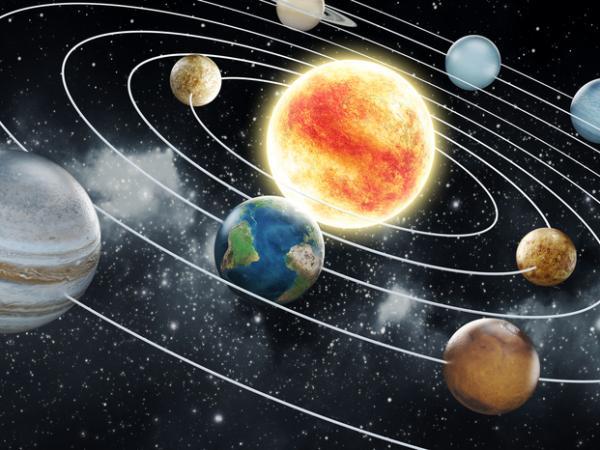
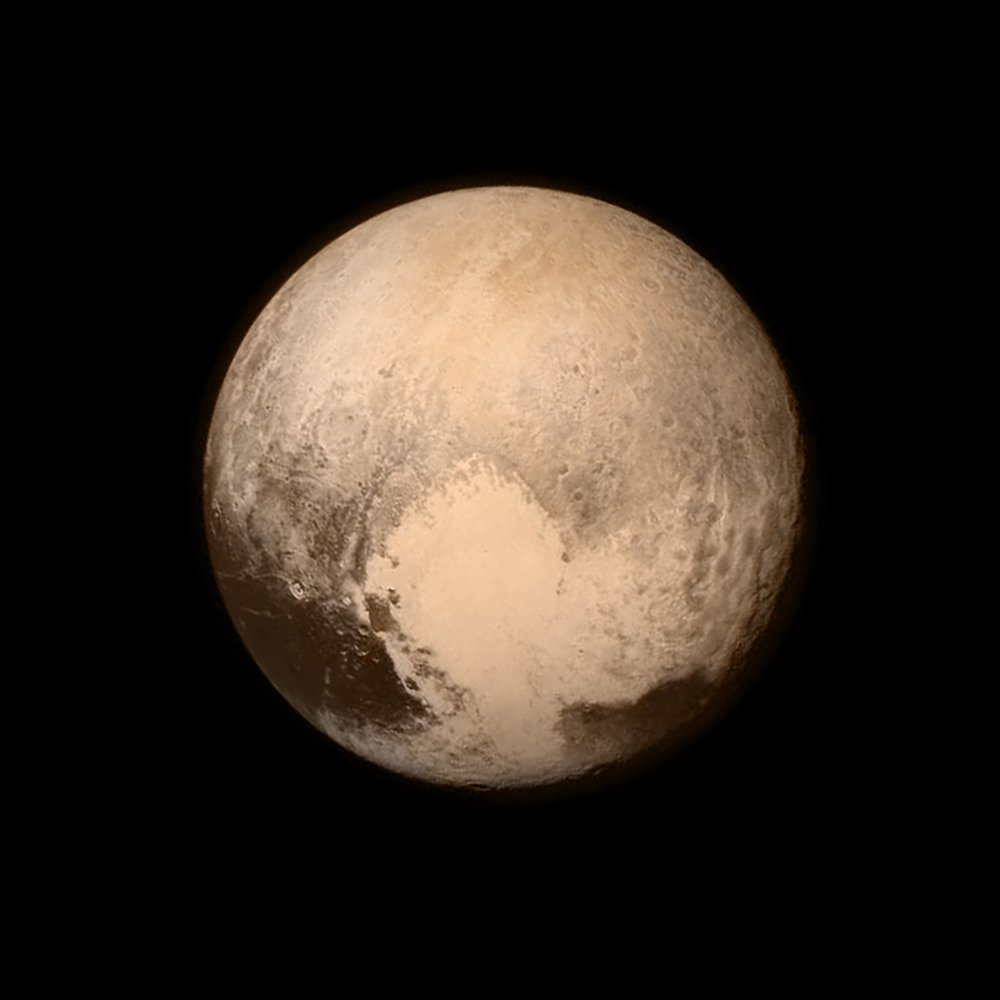
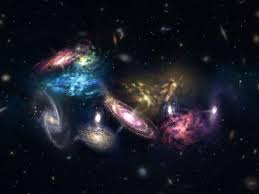
Galaxies are:
gropus of Asteroids
Groups of planets
Groups of stars, gas and dust.
Group of satellites

