
 Worksheets
Chromosomes & Reproduction
Total questions: 25
Worksheet time: 15mins
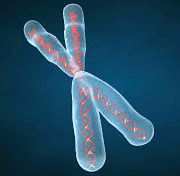


An organism's reproductive cells, or sex cells, are called _____.
bacteria
prokaryotes
gametes
pathogens

A _______ is a segment of DNA that codes for a specific protein or RNA molecule.
gene
gamete
chromosome
chromatid

The 2 exact copies of DNA in a chromosome are called ________.
chromatids
genes
mutations
pathogens

The two sister chromatids are attached to each other at a point called the __________ of a chromosome.
zygote
autosome
gene
centromere

How many chromosomes does a human body cell have, total?
48
46
23
47

Chromosomes that are paired by size and content are called _______ chromosomes.
homeostasis
homologous
matching
sister

Cells that contain 2 sets of chromosomes are called _________ (2n).
diploid
haploid
triploid
polyploid

Cells that contain only ONE set of chromosomes are called ________ (n).
diploid
polyploid
triploid
haploid

A _______ is an egg that has been fertilized by a sperm cell.
gene
chromosome
zygote
embryo

The 23rd pair of chromosomes that do determine the sex of an individual are called ___________.
sex chromosomes
autosomes
homologous
genes

The 2 female sex chromosomes are ___.
XY
XX

A photo of the chromosomes in a dividing cell that are arranged by size is called a _________.
mutation
gene
picture
karyotype
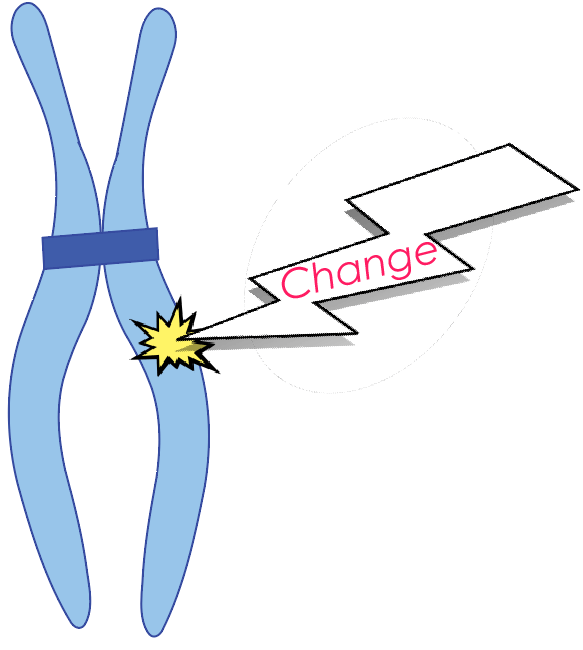
A change in a gene, group of genes or chromosome that results in a change in the proteins
Replication
Mutations
Translation
Transcription

Part of a chromosome is repeated
Gene Mutation
Point Mutation
Deletion Mutation
Duplication Mutation

Part of a chromosome
is deleted
Deletion Mutation-Gene
Translocation
Deletion Mutation -Chromosomal
Crossing Over

Part of a chromosome is reversed.
Inversion Mutation
Deletion Mutation
Translocation
Point Mutation

Part of one chromosome is transported and attached
to a non-homologous chromosome
Inversion Mutation
Translocation Mutation
Duplication Mutation
Point Mutation
All of the following are advantages of asexual reproduction except ____________.
produce varied offspring
spread and colonize certain part of an area
Reproduce without a mate
produce a large number of offspring

