
 Worksheets
Evaluación Diagnóstica 7mo
Total questions: 60
Worksheet time: 59mins

Usamos "A"
Cuando la siguiente palabra inicia con el sonido de una CONSONANTE.
Cuando la siguiente palabra inicia con el sonido de una VOCAL.
I do not know :(

Usamos "AN"
Cuando la siguiente palabra inicia con el sonido de una CONSONANTE.
Cuando la siguiente palabra inicia con el sonido de una VOCAL.
I do not know :(

This is __ umbrella.
an
a

There is __ insect in my hand.
an
a
Un adjetivo comparativo sirve para:
Mostrar la superioridad de una cosa sobre las otras
Ver las diferencias entre dos cosas
Calificar al verbo
¿Cómo se construyen comparativos para adjetivos de una sílaba?
Se agrega al final la terminación "-er"
Se repite la última consonante y se añade la terminación "-er"
Se añade la terminación "-est"
Se añade al principio la palabra "The" y al final la terminación "-er"
¿Cómo se construyen comparativos para adjetivos con dos o más sílabas?
Se añade la terminación -er
Se añade la palabra the antes del adjetivo, y la terminación -est
Se repite la última consonante y se añade la terminación -er
Se añade la palabra more antes del adjetivo
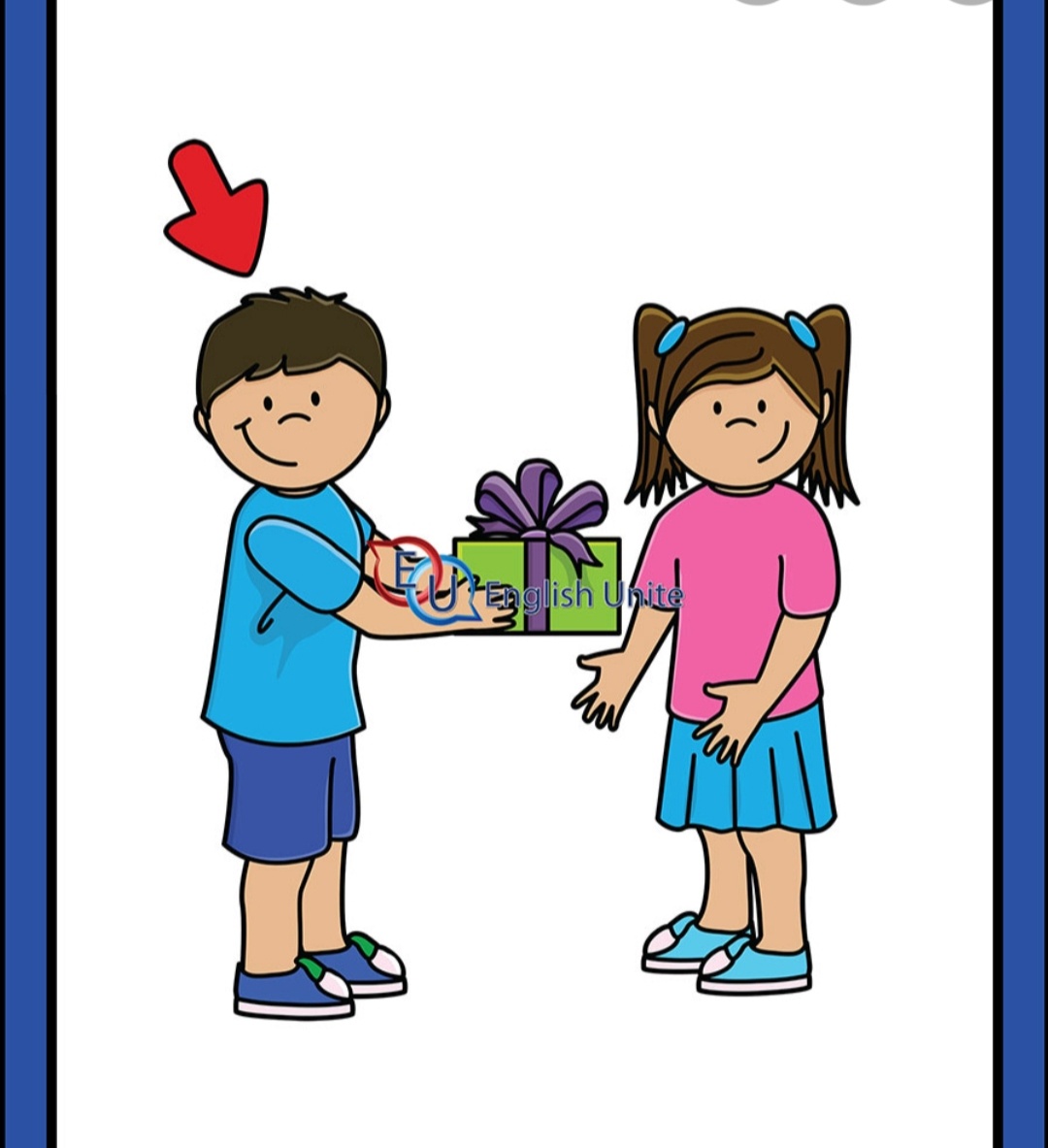
Complete the sentences: He is ______ than Mary.
tall
tallers
taller
tallier
Carlos is ___________ than Luis
short
shortest
shorter
more short
Salsa is _______________ than romantic music
happier
more happy
happiest
English class is __________ than Math
easier
easiest
more easy
¿Para qué empleamos adjetivos superlativos?
Comparar la misma cualidad entre dos o más objetos
Expresar el grado máximo de una cualidad en un objeto, respecto a otros semejantes
Comparar distintas cualidades entre dos o más objetos
Expresar el grado mínimo de una cualidad en un objeto, respecto a otros semejantes
¿Cómo se construyen superlativos para adjetivos de una sílaba?
Se añade el artículo "the" delante del adjetivo y la terminación "-est" detrás.
Se añade la terminación "-er"
Se añade la palabra "more" delante del adjetivo
Se repite la última consonante y se agrega la terminación "-er"
¿Cuál es el superlativo para "tall"?
Taller
the Tallest
Tallier
the Talliest
"El más importante" se dice:
the more important
the importantest
the most important
none of previous ones
Sue is _______________her three sisters.
talenteder than
more talented than
the talentedest
the most talented
Mt. Everest is _______________than Mt. Fuji
higher
more high
highest
the highest
Antartica is the ___________ place on earth.
colder
more cold
coldest
most cold
A tiger is ___________a cat.
stronger than
more strong than
the strongest
the most strong
She is the ___________ in line.
Ella es la tercera de la fila.
three
third
threeth
Como se dice en inglés: Tercero
Three
Third
Two
Second
How do you say
Como se dice: Primero, segundo y tercero
One, two, three
One, sixth, nine
First, second, third
First, fourth, fifth
Como se dice en inglés: Quinto
Fifth
Fise
Five
Four
¿Para que son los números ordinales?
Nos ayudan a contar
Nos ayudan a bailar
Nos ayudar a decir la posicion
Nos ayudan a decir estatura
reading - walking - dancing
caminando- corriendo - comprando
hablando - bailando - saltando
leyendo - caminando - bailando
you are ____________ an orange juice in the shop
taking
drinking
making
I ____ (work) now.
does work
am work
am working
is working
Ana ____ (not/watch) television at the moment.
is not watched
Are not watching
is not watching
am not watching
They ____ (go) to the cinema.
went
is going
are goes
are going
John ____ (read) the newspaper.
are read
are reading
is reading
am reading
Valerie _____ (not/study) English?
is studying
are not studying
is not studying
are studying
Max ______________(run) in the woods
are running
is running
am running
is run
Brown eyes


blue eyes


Curly hair


Moustache


Susana, Louise, and Jane

The students and I
I_______ from Brazil
is
it
are
am
We_____ living in USA.
are
is
am
´m
Para She, He, and It se utiliza...
Are
Because
Is
Todas las anteriores son correctas
They ______ sad
Is
No
Are
Am
_________ son plurals
We, I, she
We, you, he
You, are, It
We, they, you
She, He, and It son____
Plurals
Singular
Regular
Plurls

Qué significa en Inglés el verbo To be?
Salir y despedir
Ser o estar
Compra y saludar
Saludar y despedir

I _____ a student.
is
am
are
My father ............ from Peru, he ............... peruvian.
is - is
is - am
are - is
The cat ............ on the sofa and the dogs ............... under the table
is - is
is - are
are - are
¿cómo es mi pelo?

long and straight hair
short and curly hair
wavy hair.
¿Cómo es mi pelo?

short and wavy
long and straight
gray and short

