
 Worksheets
Earth Materials Test
Total questions: 36
Worksheet time: 3hrs 0mins


Match the topographic map to its profile.


Match the topographic map to its profile picture.


If sea level always equals (0), and the contour interval is 10 feet how tall is this mountain?
30 ft
40 ft
50 ft
60 ft
The hardened remains of a living thing that died long ago.
fossil
extinct
endangered
minerals
Which is an imprint fossil?
bone
a cast
an animal track
amber fossil
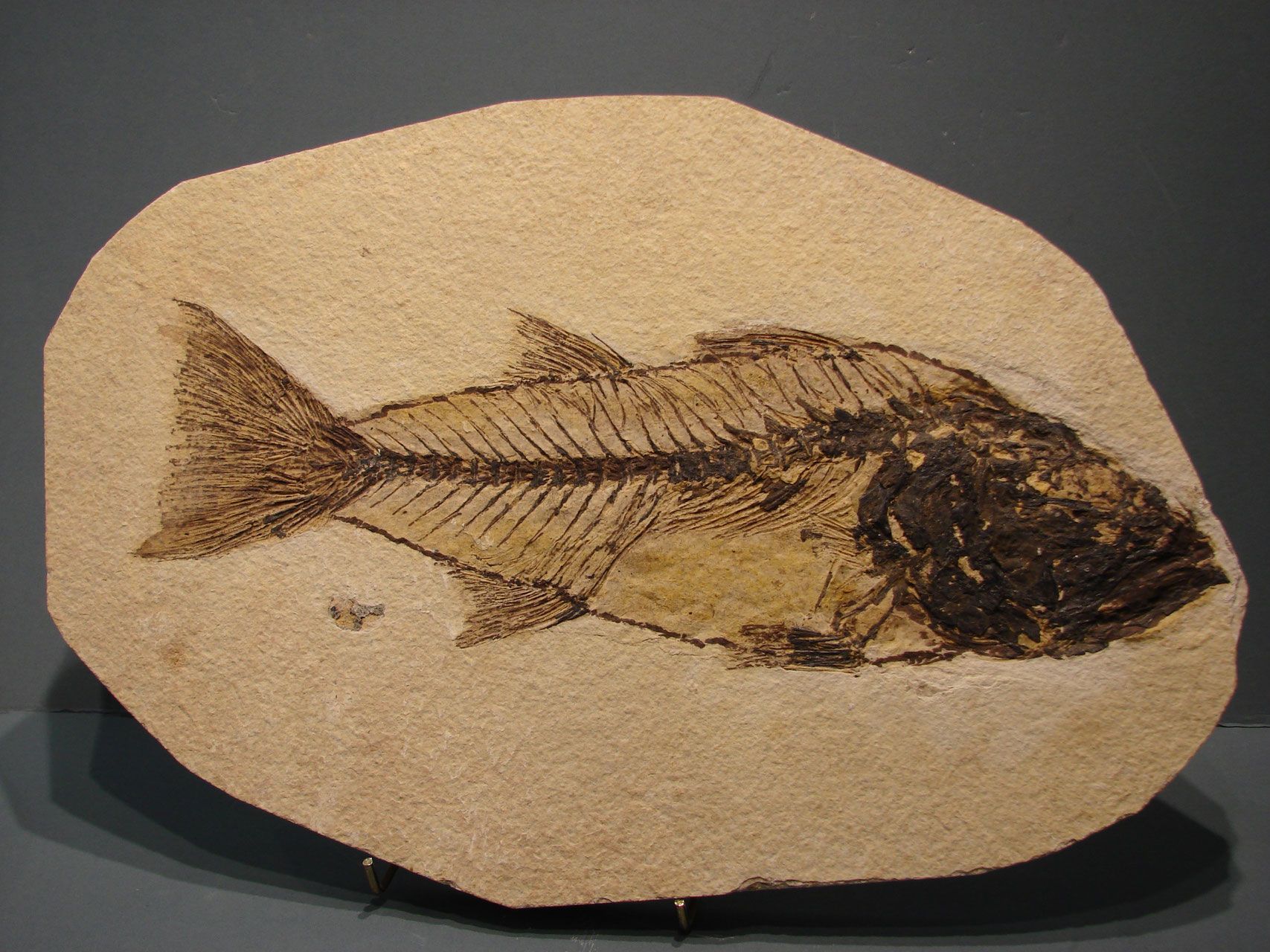
If a scientist found a fish fossil in the desert, what can they infer?
An animal ate the fish.
The water covered the area long ago.
Today's fish looks the same
The fish is endangered.
Who studies ancient environments?
biologists
specialologists
paleontologists
scientologists
The BREAKING DOWN of small pieces of rocks or sand
deposition
erosion
weathering
The MOVEMENT of small pieces of rocks or sand
deposition
erosion
weathering
Water freezing in a crack, melting, and refreezing again is an example of _____________.
weathering
erosion
deposition
Which of these can cause weathering?
water
wind
sun
all of them
True or False: People can build dams and levees to help stop or slow down weathering and erosion.
True
False
Maybe
Which of these can help slow down or stop erosion?
rocks piled up
plants
grass
all of them
True or False: Weathering, erosion, and deposition are happening all over the world right now.
True
False
Maybe
Which picture shows the Grand Canyon?


The cracks in Earth's crust are called ___________.
tectonic plates
faults
magma
lava

What are the puzzle pieces of the Earth's surface called?
Tectonic plates
Puzzles
Earthquakes
Chunks

What is the outermost layer of the Earth called?
Core
Mantle
Crust
The area around the Pacific Ocean where lots of earthquakes and volcanoes happen is called the ____________.
Ring of Earth
Ring of Fire
Ring of Stone
Ring of Diamond
Lava that is still deep inside the earth is called ____________________________.
lava
magma
volcano
earthquake

What type of boundary is shown in the diagram?
Divergent
Convergent
Transform

What type of boundary is shown in the diagram?
Divergent
Convergent
Slide/Transform

What type of boundary is shown in the diagram?
Divergent
Convergent
Slide/Transform
The movement of magma in the mantel is caused by .......
Trade winds
Earthquakes
Erosion
Convection Currents

