wayground logo

Free Printable Worksheets

Font size

S
M
L
XL
Worksheets

7th Grade All Standards

Total questions: 224

Worksheet time: 3hrs 41mins

Name
Class
Date
1.
Which subatomic particles contribute the most to the mass of an atom?
a)
Protons, Neutrons, Electrons
b)
Protons only
c)
Protons and Electrons
d)
Protons and Neutrons
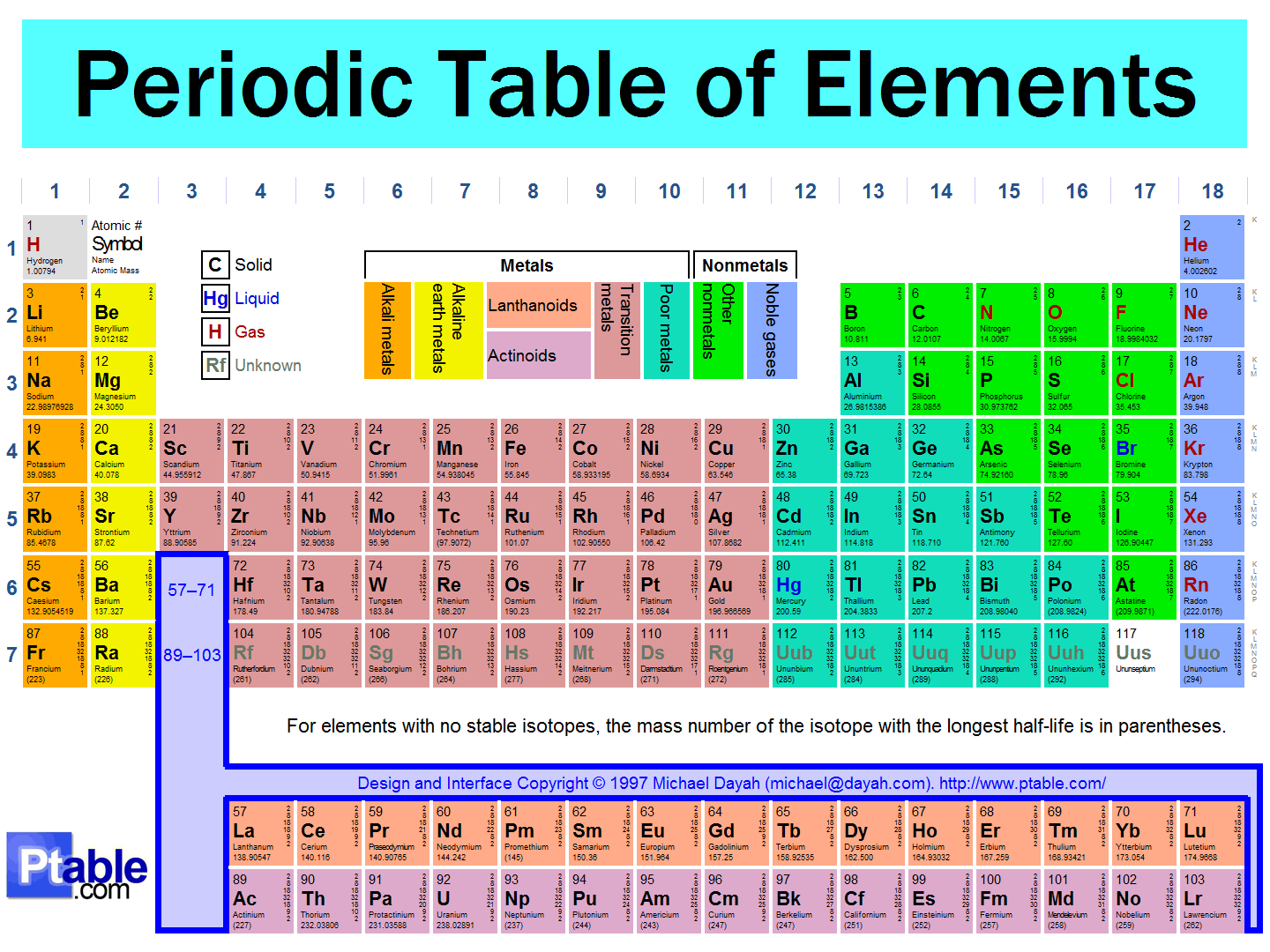
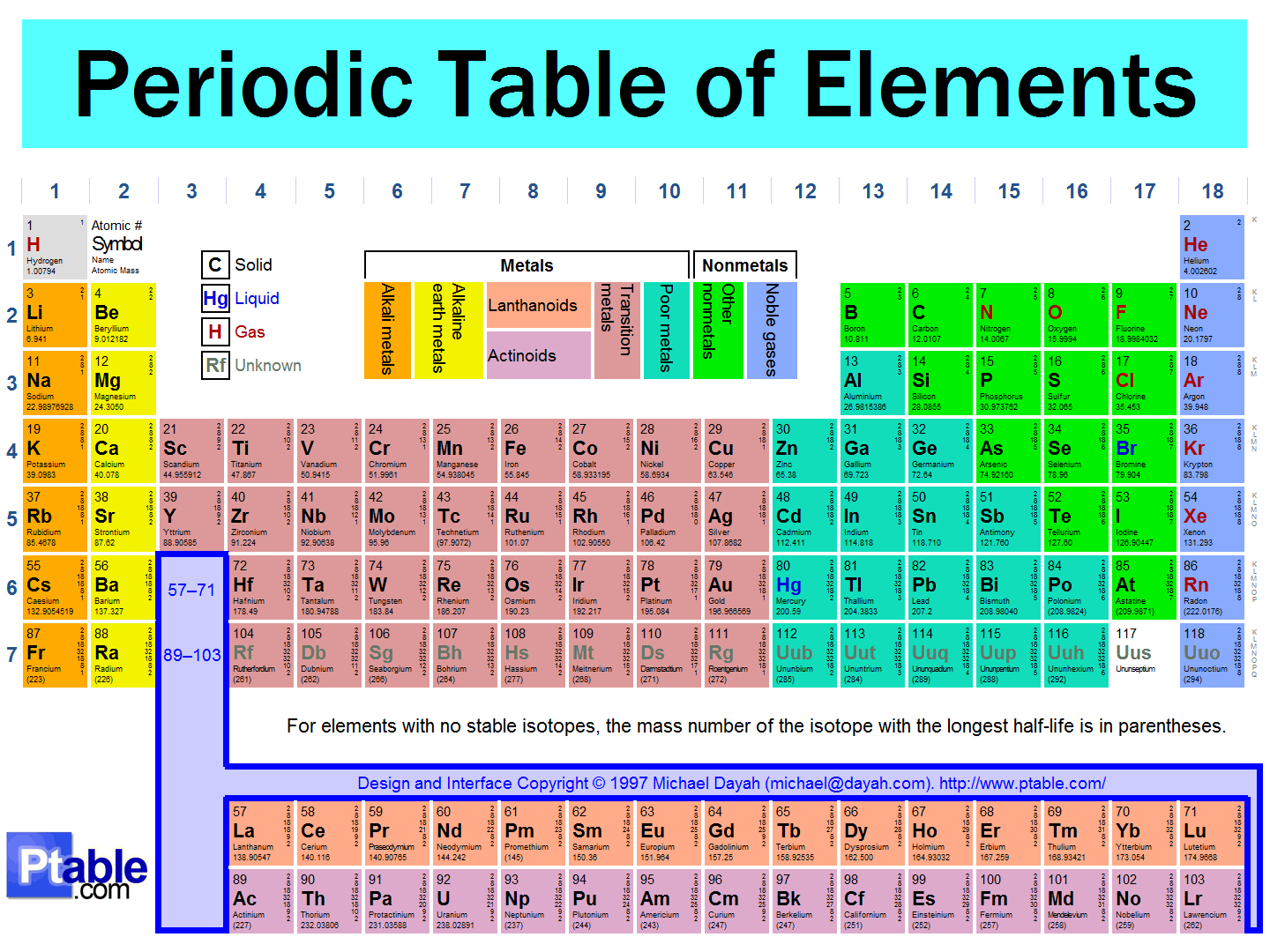
2.
What is the number of protons that the element in this image contain?
a)
14
b)
7
c)
15
d)
18
3.
An element with a mass number of 11 and an atomic number of 5 has how many neutrons?
a)
11
b)
5
c)
6
d)
16
4.
Which letter represents a proton?
a)
A
b)
B
c)
C
d)
D
5.
Which letter represents a neutron?
a)
A
b)
B
c)
C
d)
D
6.
Which letter represents an electron?
a)
A
b)
B
c)
C
d)
D
7.
Which letter represents the nucleus?
a)
A
b)
B
c)
D
d)
E
8.
Which subatomic particle has a positive (+) charge?
a)
Neutron
b)
Proton
c)
Electron
9.
Which subatomic particle has a negative (-) charge?
a)
Proton
b)
Electron
c)
Neutron
10.
Which subatomic particle has a neutral or no charge?
a)
Proton
b)
Electron
c)
Neutron
11.
How did Mendeleev arrange the elements?
a)
alphabetical 
b)
density
c)
melting point
d)
atomic mass
12.
The horizontal row on the periodic table is called a
a)
group
b)
family
c)
period
d)
atomic number
13.
The number at the bottom of each square on the periodic table is the ...
a)
atomic number
b)
atomic mass
c)
chemical symbol
d)
element name
14.
The number at the top of each square on the periodic table is the ...
a)
atomic number
b)
atomic mass
c)
Chemical Symbol
d)
Element Name
15.
All of the actinides are ___________.
a)
stable
b)
radioactive
c)
shiny
d)
named after scientists
16.
Most of the elements on the periodic table are classified as _____.
a)
Metals
b)
Nonmetals
c)
Metalloids
d)
Periods
17.
This class of elements are sometimes called "semiconductors."
a)
Metals
b)
Nonmetals
c)
Metalloids
d)
Groups
18.
Which group of the periodic table is composed of inert (not reactive)  gases?
a)
alkali metals
b)
alkaline earth metals
c)
halogens
d)
noble gases
19.
Elements which are shiny, conduct electricity and heat are called
a)
metal
b)
nonmetal
c)
metalloid
d)
nonexistent
20.
The atoms along the staircase are called 
a)
metals
b)
nonmetals
c)
metalloids
d)
noble gases
21.

Vertical columns of elements (these are also known as a "family") - they also have the same number of valence electrons and are known as ________________.

a)

groups

b)

periods

c)

quadrants

d)

rows

22.
The family in the periodic table that contains the most reactive metals is the_______
a)
Alkaline Earth Metals
b)
Transition Metals 
c)
Alkali Metals
d)
Other Metals
23.

Most noble gases have _______ valence electrons.

a)

1

b)

2

c)

7

d)

8

24.
In what section would Noble Gases be found?
a)
white
b)
yellow
c)
blue
d)
red
25.
All elements found on the left side of the Periodic Table of the Elements have what properties in common?
a)
They conduct heat and electricity 
b)
They are all gases 
c)
They are brittle and dull
d)
They are radioactive
26.
Which of the following atomic symbols is written correctly?
a)
ee
b)
hE
c)
C
d)
CL
27.
Which of the following chemical formulas represents a compound? 
a)
C3
b)
O2
c)
CH3CHO
d)
H2
28.
Which statement best describes an element?
a)
made from mixture 
b)
thousands in the world
c)
pure, made of only one atom
d)
can be separated 
29.
Carbon is considered an element while carbon dioxide is considered a compound. This is because carbon dioxide is –
a)
a gas at room temperature.
b)
made of two different elements.
c)
given off by green plants.
30.
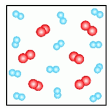
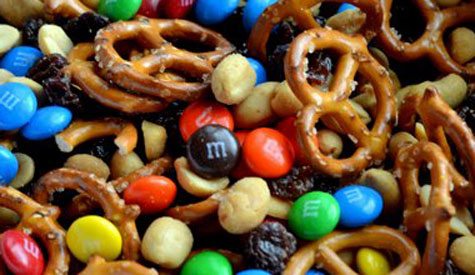
This picture represents which of the following?
a)
element
b)
compound
c)
mixture
31.
This picture represents which of the following?
a)
element
b)
compound
c)
mixture
32.
What is the tiniest particle in the entire universe?
a)
cells
b)
gases
c)
atoms
d)
liquids
33.
What is the name of a single type of atom?
a)
cell
b)
proton
c)
element
d)
atom
34.
What is the term for combining 2 or more atoms together?
a)
atoms
b)
elements
c)
molecules
d)
compounds
35.
What is the term for combining 2 or more DIFFERENT atoms together?
a)
atoms
b)
elements
c)
molecules
d)
compounds
36.
Are these molecules also compounds?
a)
YES
b)
NO
37.
Are these molecules also compounds?
a)
YES
b)
NO
38.
A pure substance that cannot be broken down into other substances by chemical or physical means. 
a)
compound          
b)
atom
c)
mixture 
d)
element
39.
This diagram represents a _____.
a)
pure substance that is a compound
b)
mixture of elements
c)
pure substance that is an element
d)
mixture of compounds
40.
This diagram represents a _____.
a)
pure substance that is a compound
b)
mixture of elements
c)
pure substance that is an element
d)
mixture of compounds
41.
Can a mixture be separated? 
a)
No
b)
Yes
c)
Only sometimes
42.
The basic unit of matter is
a)
a mixture
b)
a substance
c)
an atom
d)
a compound
43.
A substance that contains only one type of atom is a(n)
a)
compound
b)
element
c)
heterogeneous mixture
d)
homogeneous mixture
44.
This picture represents which of the following?
a)
Element
b)
Compound
c)
Mixture
45.
A pure substance...
a)
is an element or a compound
b)
is an element or a mixture
c)
is a compound or a mixture
d)
is a mixture
46.
NaHCO3 is an example of —
a)
an abbreviation
b)
a compound
c)
a mixture
d)
an element
47.
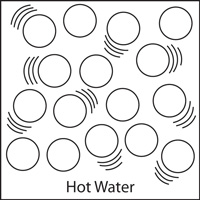
At higher temperatures
a)
particles in an object have less energy
b)
particles in an object move faster
c)
a gas contracts
48.
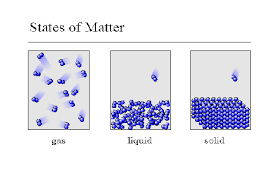
Particles (molecules) in a ______________________ have more energy than the other states of matter.
a)
gas
b)
solid
c)
liquid
49.
Particles of a liquid
a)
are tightly packed together and stay in a fixed position.
b)
have no viscosity.
c)
decrease in volume with increasing temperature.
d)
are free to move around one another but still touch.
50.
The speed of the molecules determines the _____.
a)
volume
b)
density
c)
pressure
d)
temperature
51.
The slower the particles in a substance move,
a)
the colder it is.
b)
the warmer it is.
c)
the more energy it has.
d)
the less energy it has.
52.
Thermal energy is...
a)
heat energy.
b)
the energy of motion
c)
energy of nuclear processes.
d)
an indication of physical change.
53.
What kind of properties can only be observed when a substance changes into a different substance?
a)
physical properties
b)
chemical properties
54.
Which type of property is the ability to conduct electricity?
a)
physical property
b)
chemical property
55.
Properties that can be observed without changing the identity of the substance.
a)
Physical
b)
Chemical
56.
Example for physical property
a)
odor
b)
burns in air
c)
reacts with water to create hydrogen gas
d)
rust
57.
Which of the following is a sign that a chemical reaction has occurred?
a)
change in shape
b)
melting
c)
formation of a gas
d)
dissolving
58.
Which of the following is NOT an example of a physical change?
a)
crumpled paper
b)
pencil sharpening
c)
shrunken clothing
d)
rust
59.
A change where one or more new substances are created.
a)
Physical Change 
b)
Chemical Change 
60.
Fizzing, foaming, and burning are all examples of
a)
Chemical change
b)
Physical change
61.
Change in density is a physical change.
a)
True
b)
False
62.
Rust on an iron bar is an example of chemical change.
a)
True 
b)
False
63.
Flammability is an example of what property?
a)
Chemical property
b)
Physical property
64.
Physical properties are
a)
properties that can be observed without changing the identity of the substance
b)
properties that describe how a substance changes into a completely different substance
65.
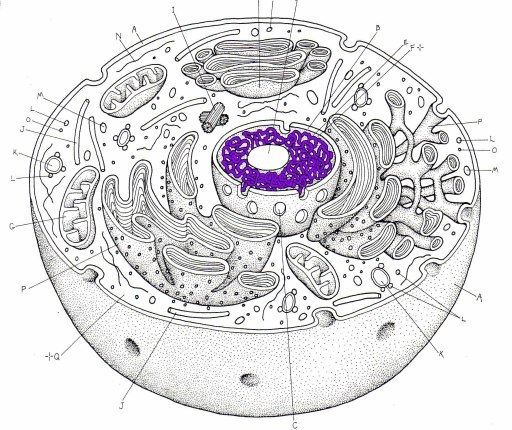
What type of cell has a nucleus? 
a)
eukaryotic
b)
prokaryotic 
66.
Controls what enters/leaves a cell
a)
cell membrane
b)
Nuclear membrane
c)
cell wall
d)
cytoplasm
67.
stiff, protective outer layer of plant cells
a)
cell membrane
b)
nuclear membrane
c)
cell wall
d)
cytoplasm
68.
packages proteins for delivery
a)
Endoplasmic reticulum
b)
ribosomes
c)
golgi apparatus
d)
lysosomes
69.

hold/store water, are larger in plant cells

a)

nuclolus

b)

ribosomes

c)

golgi bodies

d)

vacuoles

70.
break down (digest) worn out cell parts, mostly in animal cells
a)
cytoplasm
b)
lysosomes
c)
mitochondria
d)
vacuoles
71.

What am I?

a)

cell wall, converts sugar into sunlight

b)

mitochondria, converts sunlight into sugar for energy
c)

cytoplasm, converts sugar into sunlight

d)

chloroplast, converts sunlight into sugar for energy
72.
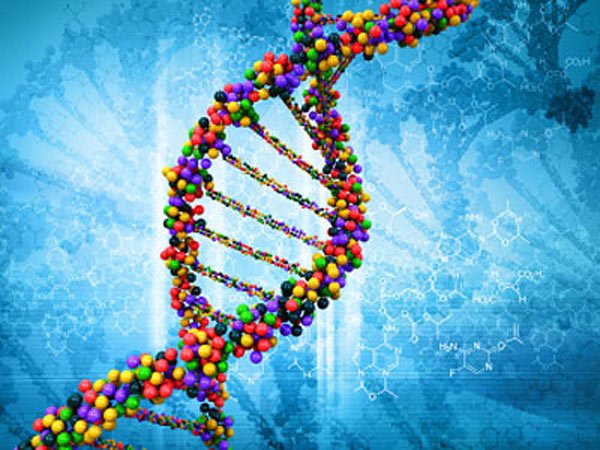
What is the name of the genetic material that is inside the nucleus?
a)
ER
b)
ATP
c)
YOLO
d)
DNA
73.
Where are proteins made?
a)
Golgi body
b)
Mitoichondria
c)
Chromosomes
d)
Ribosomes
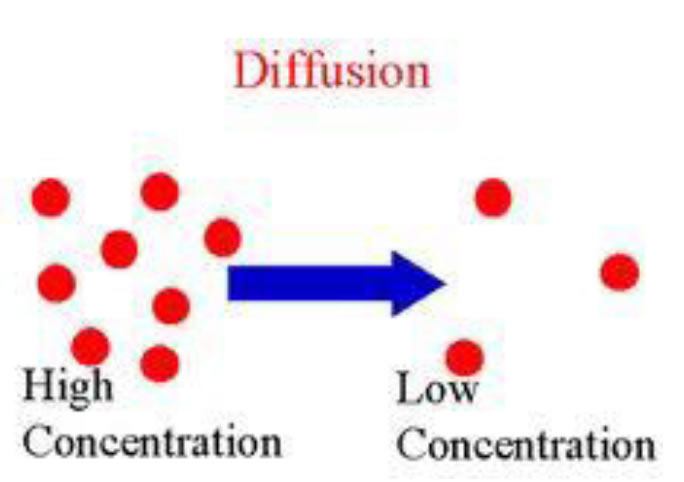
74.
a)
Passive Transport
b)
Active Transport
75.
a)
Passive Transport
b)
Active Transport
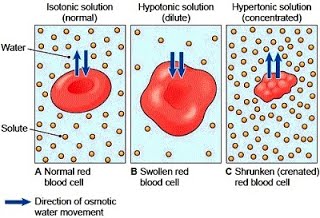
76.
Osmosis
a)
Passive Transport
b)
Active Transport
77.
High to Low
a)
Passive Transport
b)
Active Transport
78.
Uses ATP
a)
Passive Transport
b)
Active Transport
79.
Low to High
a)
Passive Transport
b)
Active Transport
80.
Endocytosis
a)
Passive Transport
b)
Active Transport
81.
Exocytosis
a)
Passive Transport
b)
Active Transport
82.
a)
Passive Transport
b)
Active Transport
83.
There are three parts to the cell theory. Which is NOT one of those parts?
a)
All organisms are composed of one or more cells.
b)
The cell is the basic unit of structure and organization in organisms.
c)
Cells spontaneously arise from carbon and nutrients carried in the bloodstream.
d)
All cells come from pre-existing cells.
84.
Which is true of prokaryotic and eukaryotic cells?
a)
Prokaryotic cells are larger than eukaryotic cells.
b)
Eukaryotic cells do not have nuclei, and prokaryotic cells do have nuclei.
c)
Prokaryotic cells lack membrane-bound organelles, and eukaryotic cells contain membrane-bound organelles.
d)
Eukaryotic cells are simpler than prokaryotic cells.
85.
Under a microscope, a student observes a specimen containing a cell wall, nucleus, and chloroplasts. Which of the following could the specimen being observed belong to?
a)
oak tree leaf
b)
human
c)
bacteria
d)
cat hair
86.
Tiny cell structures that carry out specific functions within the cell.
a)
membranes
b)
nucleus
c)
organelles
d)
animalicules
87.
Eukaryotic cells are complex.
a)
true
b)
false
88.
Unicellular means
a)
single-celled
b)
unicycle
c)
multi-celled
d)
united cells
89.
What kind of cell is this?
a)
Eukaryotic
b)
Prokaryotic
90.
What is multicellular? 
a)
one cell 
b)
no cells 
c)
many cells 
d)
no nucleus 
91.
Plants and animal cells are examples of ___ cells 
a)
prokaryotic cells 
b)
eukaryotic cells 
92.
Both prokaryotes and eukaryotes have a nucleus.
a)
True
b)
False
93.
Which organelle belongs in plant cells only?
a)
Cell Membrane
b)
Mitochondrion
c)
Chloroplast
d)
Nucleus
94.
Which organelle belongs in both plant and animal cells?
a)
Chloroplast
b)
Cell Wall
c)
Large Central Vacuole
d)
Cell Membrane
95.
What shape are most plant cells?
a)
round / irregular
b)
rectangular
96.
What shape are most animal cells?
a)
round / irregular
b)
rectangular
97.

This is a sample of what kind of cell?

a)

Plant

b)

Animal

c)

Fungi

d)

Bacteria

98.

This is a sample of what kind of cell?

a)

Animal

b)

Bacteria

c)

Plant

d)

Fungi

99.
Which of the following is the correct order of organization in living things from most basic (simple) to most complex?
a)
a.  Organism, cell, tissue, organ, organ system
b)
a.  Organ system, organ, tissue, cell, organism
c)
a.  Cell, tissue, organ, organ system, organism
d)
a.  Cell, organ, tissue, organ, organism, organ system
100.
A group of similar cells that come together to perform a specific function is a/an
a)
organ
b)
organism
c)
organ system
d)
tissue
101.
When a group of organs work together to perform a particular function they create a/an
a)
organ system
b)
organism
c)
tissue
d)
organ
102.
The smallest level of organization of life in an organism
a)
tissue
b)
cell
c)
organ
d)
organ system
103.
The heart contains different types of tissue. What level is the heart?
a)
cell
b)
organ system
c)
organ
d)
tissue
104.
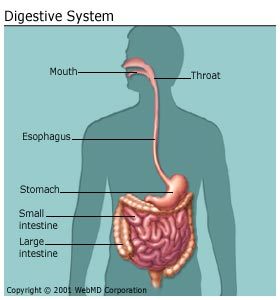
The digestive system includes the stomach. What level is the stomach?
a)
organ
b)
tissue
c)
cell
d)
organism
105.
This is a example of........ 
a)
organ system
b)
cells
c)
organ
d)
tissue
106.
I have a nuclear membrane, can do photosynthesis and am multicellular. What kingdom do I belong to?
a)
Animalia
b)
Archaebacteria
c)
Plantae
d)
Protista
107.
I sometimes get confused by others to be a plant. I'm heterotrophic and digest decaying material. What kingdom to I belong to?
a)
Archaebacteria
b)
Animalia
c)
Fungi
d)
Protista
108.
I am a prokaryote and live where others can't. What kingdom do I belong to?
a)
Animalia
b)
Archaebacteria
c)
Eubacteria
d)
Protista
109.
All of the following have a nucleus except...
a)
bacteria
b)
animals
c)
plants
d)
protists
110.
What organism possesses these traits?
a)
A. Eubateria
b)
B. Fungi
c)
C. Plantae
d)
D. Monera
111.
Protists and bacteria do not belong in the same kingdom because--
a)
Protists have a nucleus; bacteria do not.
b)
Protists eat bacteria.
c)
Bacteria are not made of cells.
d)
Protists are heterotrophic; bacteria are autotrophic.
112.
The main purpose of the ____________ system is to break food particles into pieces that can be used.
a)
circulatory
b)
respiratory
c)
digestive
d)
skeletal
113.
What is responsible for delivering oxygen and removing carbon dioxide from the body?
a)
cell nucleus
b)
excretory system
c)
nervous tissue
d)
respiratory system
114.
The __________ system directs the body to inner and outer changes.
a)
digestive
b)
circulatory
c)
nervous
d)
skeletal
115.
The __________ is the main organ of the nervous system.
a)
heart
b)
lungs
c)
brain
d)
skin
116.
The circulatory system uses _________ to deliver oxygen to the rest of the body.
a)
blood cells
b)
lungs and nose
c)
blood vessels
d)
brain and spinal cord
117.
Which of the following body systems work together for support, protection, and movement?
a)
respiratory and cardiovascular
b)
skeletal and muscular
c)
skeletal and integumentary
d)
digestive and respiratory
118.

This system carries food, gases and wastes throughout the body

a)

circulatory system

b)

respiratory system

c)

nervous system

119.
This system includes the heart, blood vessels, veins, arteries
a)
respiratory system
b)
circulatory system
c)
nervous system
120.
The process by which an organism’s internal environment is kept stable in spite of changes in the external environment. 
a)
Positive Feedback
b)
Negative Feedback
c)
Homeostasis 
d)
Targeted Cells 
121.

Contact lenses are biomedical products designed to help improve vision by being placed directly on the eyeball. Which statement below best explains why a polymer (plastic) should be used over textiles for contact lenses?

a)

Polymers (plastics) are flexible, do not absorb water and can be clear while textiles are flexible but they absorb water effecting their functionality.

b)

Textiles are flexible, do not absorb water and will not rust while polymers (plastics) can have a low melting point and tear very easily.

c)

Polymers (plastics) are not rust resistant and are toxic to the human body while textiles are rust resistant and not very flexible.

d)

Textiles are flexible and absorb water well while polymers (plastics) will never change shape and can be clear.

122.

Bones are one of the strongest organic materials with the ability to withstand strong amounts of force. Which of the following biomaterials would best meet the appropriate criteria to replace a bone?

a)

Plastics

b)

Metal Alloy

c)

Textiles

d)

Composites

123.

Which of the following statements gives the best example of a biomaterial?

a)

Naturally occurring soil is a biomaterial because it comes from the earth.

b)

An engineered substance used for a medical purpose is an example of a biomaterial.

c)

Skin is a biomaterial because it is found on living things.

d)

Biodegradable plastic can be made into many shapes therefore it must be a biomaterial.

124.
Which organelle is DNA usually found in?
a)
cell membrane
b)
vacuole
c)
chloroplast
d)
nucleus
125.

Sometimes mistakes occur curing cell division when DNA is being copied. What scientific word is used to describe the permanent changes in DNA?

a)

mutations

b)

alterations

c)

transformations

d)

mutilitions

126.

Genes are short segments of DNA and are located on the ______ in a cell.

a)

vaculoes

b)

chromosomes

c)

ribosomes

d)

lysosmes

127.

The genetic make up of an organism is a

a)

Phenotype

b)

Genotype

c)

Xylem

d)

Homozygous

128.

An organisms physical traits are called what?

a)

Genotype

b)

Genetic Variation

c)

Phenotype

d)

Homozygous

129.
DNA holds the code for
a)
lipids
b)
carbohydrates
c)
protein
d)
sugar
130.
Mutations are__________
a)
Harmful
b)
Harmful or beneficial
c)
Neutral
d)
Harmful, neutral, or beneficial
131.

How do mutations happen?

a)

By willing yourself to get them

b)

when there is a mistake in your DNA

c)

When your parents dunk you in milk

d)

When you step in dog poop

132.
A homozygous dominant dog with brown fur is crossed with a heterozygous dog with brown fur. What are the percentages of the possible genotypes?
a)
100% BB
b)
75% BB and 25%Bb
c)
50 % BB and 50% Bb
d)
50% Bb and 50% bb
133.
Which of the following is a phenotype?
a)
BB
b)
Bb
c)
bb
d)
Blue eyes
134.
the passing of genetic traits from parent to offspring.
a)
heredity
b)
trait
c)
gene
d)
allele
135.
having two of the same genes for the trait (sometimes called purebred).
a)
homozygous
b)
hetrozygous
c)
protein
d)
chromosome
136.
having two different genes for a trait (sometimes called hybrid).
a)
protein
b)
homozygous
c)
heterozygous
d)
genotype
137.
An allele whose trait only shows up when no dominant allele is present.
a)
hidden allele
b)
dominant allele
c)
recessive allele
d)
present allele
138.
B = brown fur  b = white fur
In the punnett square, what is the probability for white fur? 
a)
0%
b)
25%
c)
50%
d)
75%
139.

Dominant alleles are written with:

a)

Upper case always

b)

Lower case always

140.

Recessive alleles are written with:

a)

Upper case always

b)

Lower case always

141.

Brown eyes are dominant to blue eyes. Which of the following is blue eyes?

a)

BB

b)

Bb

c)

bb

d)

None

142.

Genetics is the study of...

a)

Body systems

b)

cell division

c)

heredity

d)

sexual reproduction

143.

On a punnett square, two capital letters indicate a gene which is

a)

Homozygous dominant

b)

Homozygous recessive

c)

Heterozygous

d)

None of the above.

144.

On a punnet square, a capital letter and lowercase letter indicate a gene that is

a)

Homozygous Dominant

b)

Homozygous Recessive

c)

Heterozygous

d)

None of these

145.

On a punnett square, two lowercase letters indicate a gene which is

a)

Homozygous dominant

b)

Homozygous recessive

c)

Heterozygous

d)

None of these

146.

What genotype are the father and mother?

a)

Homozygous Dominant

b)

Homozygous Recessive

c)

Heterozygous

147.

What is the probability the offspring will be homozygous dominant?

a)

25%

b)

50%

c)

75%

d)

100%

148.

What is the probability that the offspring will be heterozygous?

a)

25%

b)

50%

c)

75%

d)

100%

149.

What is the probability that the recessive trait will be expressed by the offspring?

a)

25%

b)

50%

c)

75%

d)

100%

150.

Alleles always occur

a)

singly (alone)

b)

in pairs (groups of 2)

c)

in triads (groups of 3)

d)

in tetrads (groups of 4)

151.

In the Greek language, "homo" means

a)

same

b)

different

c)

human

d)

mojo

152.

In the Greek language, "hetero" means

a)

same

b)

different

c)

burrito

153.

An example of a homozygous dominant gene is

a)

Dd

b)

DD

c)

dd

d)

DAB

154.

An example of a homozygous recessive gene is

a)

Dd

b)

DD

c)

dd

d)

DAB

155.

An example of a heterozygous gene is

a)

FF

b)

ff

c)

Ff

156.
What does the prefix hetero- in heterozygous mean?
a)
same
b)
different
c)
dating
d)
human
157.
The physical appearance of a trait is known as the-
a)
genotype
b)
phenotype
c)
characteristics
d)
intelligence
158.
How many letters does a genotype contain?
a)
1
b)
2
c)
3
d)
4
159.
Mark is heterozygous. If B is for brown hair, and b is for blonde hair, what is Mark's phenotype?
a)
Brown Hair
b)
Blonde Hair
c)
Brown and Blonde Hair
d)
Black Hair
160.
Mark is heterozygous. If B is for brown hair, and b is for blonde hair, what is Mark's genotype?
a)
BB
b)
bb
c)
Bb
d)
bB
161.
What you see, or the physical appearance.
a)
Genotype
b)
Phenotype
c)
Homozygous
d)
Heterozygous
162.
the study of heredity
a)
Botany
b)
Astronomy
c)
Genetics
d)
Ecology
163.

Each parent provides what percentage of your traits?

a)

25%

b)

50%

c)

75%

d)

100%

164.

Which of the following is the correct definition for a genotype?

a)

The physical expression of a gene. (Characteristics)

b)

A strand of DNA made up of multiple mutations.

c)

The expression of one of your parents traits.

d)

The set of genes in our DNA which is responsible for a particular trait.

165.

A heterozgous genotype results in what type of expression of phenotype?

a)

Recessive Phenotype

b)

Dominant Phenotype

c)

Both traits being expressed

d)

Completely new traits

166.
An example of a physical adaptation is...
a)
a turtle hiding inside its shell
b)
The spikes on a porcupine fish
c)
a rabbit burrowing underground
d)
a viper biting when threatened
167.
A trait that helps a living thing survive.
a)
instinct
b)
mimicry
c)
camouflage
d)
adaptation
168.
Penguins huddle close together to keep warm.
a)
Structural
b)
Behavioral
169.

How does an animal get an adaptation?

a)

It just appears randomly

b)

It is a mutation

c)

It could have started as a beneficial mutation and then was passed down over generations

d)

The animal needed to change to survive where it lives so it chose to change and develop an adaptation

170.

Which type of reproduction allows for variation and therefore adaptations to appear?

a)

Asexual reproduction

b)

Sexual reproduction

c)

Mitosis

d)

Cell division

171.
Where does an off spring get its traits in asexual reproduction?
a)
From both parents
b)
From only one parent
c)
From neither parent
d)
There are no traits handed down
172.
When a starfish grows a new body off a broken arm, what kind of reproduction is this?
a)
Sexual
b)
Differentiation
c)
Asexual 
d)
Specialization
173.
What percentage of chromosomes are handed down by a sperm cell?
a)
75%
b)
25%
c)
50%
d)
100%
174.
What is an advantage of sexual reproduction?
a)
Allows genetic variation
b)
Only needs one parent
c)
Happens very quickly
d)
Offspring are exact copies of parent
175.
What is one disadvantage of sexual reproduction?
a)
Only one parent needed
b)
Off spring are exact copies of parents
c)
Happens very quickly
d)
Needs two parents
176.

Reproducing asexually will produce offspring ...

a)

genetically different from each other

b)

genetically identical to the parent

177.
2 dogs reproduce, 2 sex cells join together & form offspring. The resulting offspring is likely
a)
to express only recessive traits
b)
to be identical to ONE parent
c)
to share some traits from BOTH of its parents
178.
The genetic instructions are found in ---- within the DNA
a)
traits
b)
chromosomes
c)
genes
d)
DNA
179.
In general, asexual reproduction is used by _______ organisms.
a)
simple
b)
extinct
c)
complex
180.
A hydra reproduces when an outgrowth, or bud, forms and continues to develop until if falls off of the parent. This is an example of:
a)
Binary Fission
b)
Sporulation
c)
Budding
d)
Vegetative Propagation
181.
A living or once-living organisms in an ecosystem is a
a)
population
b)
biotic factor
c)
abiotic factor
d)
community
182.
Temperature, light, air, water, and soil are all  _____  parts of the environment
a)
alive
b)
biotic 
c)
abiotic
d)
living
183.
Which of the following is not an abiotic factor?
a)
sun
b)
temperature
c)
soil
d)
grass
184.
Which of the following is not a biotic factor?
a)
mushroom
b)
air
c)
elephant
d)
coyote
185.
What are the products of photosynthesis?
a)
water and carbon dioxide
b)
oxygen and glucose
c)
oxygen and carbon dioxide
d)
oxygen and water
186.
Which statement about photosynthesis is correct?
a)
Plants get the energy they need for photosynthesis from water.
b)
Plants get the energy they need for photosynthesis from soil.
c)
Plants get the energy they need for photosynthesis from sunlight.
d)
Plants do not require energy to perform photosynthesis.
187.
The main source of energy for all life comes from ____.
a)
the Earth
b)
the moon
c)
the sun
d)
the food we eat/make
188.

Part of the equation for photosynthesis is shown. A substance cycled throughout an ecosystem and released during cellular respiration is missing. What substance belongs in place of the question mark?

a)

Carbon

b)

Carbon dioxide

c)

Nitrogen dioxide

d)

Hydrogen

189.

How would animals be affected by a decrease in trees?

a)

Animals require carbon dioxide which trees create through photosynthesis so if there are less trees, there would be more animals able to survive.

b)

Animals require carbon dioxide which trees create through photosynthesis so if there are less trees, there would be less animals able to survive.

c)

Trees require oxygen which animals create through photosynthesis so if there are less trees, there would be more animals able to survive.

d)

Animals require oxygen which trees create through photosynthesis so if there are less trees, there would be less animals able to survive.

190.

What does 'anaerobic' mean?

a)

Without Oxygen

b)

With Oxygen

c)

Without Carbon dioxide

d)

With Carbon dioxide

191.

How are cramping muscles evidence of anaerobic respiration?

a)

The muscles are using more Oxygen so they cramp and get sore.

b)

Lactic acid is produced when there is not enough oxygen transported through muscles. The build up of the lactic acid causes pain and cramping.

c)

Glucose is produced when there is not enough oxygen transported through muscles. The build up of glucose causes the muscles to need more water.

d)

The muscles are created Carbon dioxide which causes the muscles to cramp and get sore.

192.
The substances listed on the right side of a chemical equation are the
a)
Yields
b)
Reactants
c)
Products
d)
Precipitates
193.
CaCO3 represents a chemical
a)
Symbol
b)
Formula
c)
Subscript
d)
Reaction
194.
The substances listed on the left side of a chemical equation are the
a)
Products
b)
Coefficients
c)
Precipitates
d)
Reactants
195.
In chemical reactions, what does the principle of conservation of mass mean?
a)
Matter is not created or destroyed.
b)
The total mass of the reactants is greater than the total mass of the products.
c)
The total mass of the reactants is less than the total mass of the products.
d)
Matter is not changed.
196.
A molecule is smaller than an atom.
a)
True
b)
False
197.
How many Oxygen (O) atoms are in 2C2HO8Cl2
a)
2
b)
16
c)
8
d)
5
198.
A molecule is________
a)
a glob of gelatinous goo
b)
smaller than an atom
c)
filled with raisons
d)
more than one atom bonded together
199.
How many elements are in C6H12O6?
a)
1
b)
2
c)
3
d)
4
200.
Which of the following shows the correct way to balance the chemical equation?
Fe + O2 -> Fe2O3
a)
4Fe + 3O2 -> 2Fe2O3
b)
2 Fe + 3O2 -> Fe2O6
c)
4 Fe + O6 -> 2Fe2O3
d)
None of the options are correctly balanced.
201.
In a closed system, a chemical reaction takes place.  The mass of the reactants in the beginning of the reaction is 25g.  What does the mass have to be in the end of the reaction in order to follow the law of conservation of mass?
a)
25g
b)
You can't tell with the given information.
c)
30g
d)
15g
202.
There are two reactants in a chemical equation, and one product.  The mass of the product is 30g.  The mass of the first reactant is 17g.  What must the mass of the second reactant be, if the equation is to follow the law of conservation of mass?
a)
47g
b)
13g
c)
23g 
d)
You cant tell with the given information
203.
Students react baking soda & vinegar.
Which of the following would provide the evidence that the number of atoms present before a chemical reaction is equal to the number of atoms present after the chemical reaction?
a)
The mass of the plastic bag, baking soda, and vinegar before the reaction was equal to the mass after the reaction.
b)
Bubbles were produced during the reaction, which meant that a gas was being produced.
c)
The plastic bag did not change in any way, indicating that it was not involved in the reaction.
d)
The mass of the baking soda was exactly equal to the mass of the vinegar used to create the chemical reaction.
204.

How many IRON (Fe) atoms are in this chemical formula?

a)

4 iron atoms

b)

2 iron atoms

c)

8 iron atoms

d)

3 iron atoms

205.
What does ozone in the atmosphere do?
a)
it absorbs and traps heat energy
b)
it provides a place for water vapor to condense
c)
it protects against harmful uv radiation
d)
it helps plants grow
206.
The layer of gases that surrounds the Earth is known as its
a)
lithosphere
b)
hydrosphere
c)
atmosphere
d)
biosphere
207.
Which gas is most abundant in Earth's atmosphere?
a)
oxygen
b)
nitrogen
c)
carbon dioxide
d)
ozone
208.
What are greenhouse gases?
a)
gases that cause climate change
b)
gases that emit green smoke
c)
gases that are used to make green colored glass
209.
Which of the following have been linked to climate change?  
a)
droughts
b)
flooding
c)
melting of polar ice caps
d)
all of the above
210.
The main human activity that releases greenhouse gases is
a)
using bottled water
b)
burning fossil fuels
c)
texting on cellphones
d)
eating meat
211.
Some greenhouse gases are naturally present in the Earth's atmosphere
a)
True
b)
False
212.
Carbon is stored in
a)
Trees and other living things
b)
Oceans
c)
underground in soil and fossil fuels
d)
All are correct
213.
Visible light reaches Earth’s surface while infrared light is trapped as heat. Which characteristic of Earth’s atmosphere causes this to happen?
a)
the hole in the ozone
b)
the greenhouse effect
c)
atmospheric pressure
d)
the inversion layer
214.

In the pie chart, the pink section represents which gas in Earth's atmosphere?

a)

Carbon dioxide

b)

Oxygen

c)

Nitrogen

d)

Hydrogen

215.
What does ozone in the atmosphere do?
a)
it absorbs and traps heat energy
b)
it provides a place for water vapor to condense
c)
it protects against harmful uv radiation
d)
it helps plants grow
216.
The layer of gases that surrounds the Earth is known as its
a)
lithosphere
b)
hydrosphere
c)
atmosphere
d)
biosphere
217.
Which gas is most abundant in Earth's atmosphere?
a)
oxygen
b)
nitrogen
c)
carbon dioxide
d)
ozone
218.
What are greenhouse gases?
a)
gases that cause climate change
b)
gases that emit green smoke
c)
gases that are used to make green colored glass
219.
Which of the following have been linked to climate change?  
a)
droughts
b)
flooding
c)
melting of polar ice caps
d)
all of the above
220.
The main human activity that releases greenhouse gases is
a)
using bottled water
b)
burning fossil fuels
c)
texting on cellphones
d)
eating meat
221.
Some greenhouse gases are naturally present in the Earth's atmosphere
a)
True
b)
False
222.
Carbon is stored in
a)
Trees and other living things
b)
Oceans
c)
underground in soil and fossil fuels
d)
All are correct
223.
Visible light reaches Earth’s surface while infrared light is trapped as heat. Which characteristic of Earth’s atmosphere causes this to happen?
a)
the hole in the ozone
b)
the greenhouse effect
c)
atmospheric pressure
d)
the inversion layer
224.

In the pie chart, the pink section represents which gas in Earth's atmosphere?

a)

Carbon dioxide

b)

Oxygen

c)

Nitrogen

d)

Hydrogen