
 Worksheets
Chapter 11 Exam
Total questions: 30
Worksheet time: 15mins
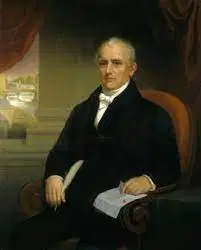
This entrepreneur brought British textile production technology to the United States.
Samuel Slater
Francis Cabot Lowell
Eli Whitney
Sarah G. Bagley
Robert Fulton

This entrepreneur employed mostly young unmarried women in his textile mills.
Samuel Slater
Francis Cabot Lowell
Eli Whitney
Sarah G. Bagley
Robert Fulton

This inventor of the cotton gin was the first industrialist to use machine tools to produce interchangeable parts that could be used to mass produce finished goods such as muskets.
Samuel Slater
Francis Cabot Lowell
Eli Whitney
Sarah G. Bagley
Robert Fulton
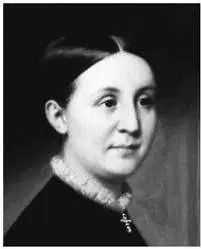
This reformer fought for safer working conditions for textile workers and advocated reducing work hours to ten hours per day.
Samuel Slater
Francis Cabot Lowell
Eli Whitney
Sarah G. Bagley
Robert Fulton

This innovator built the first large commercially viable steamship in the United States, the Clermont.
Samuel Slater
Francis Cabot Lowell
Eli Whitney
Sarah G. Bagley
Robert Fulton
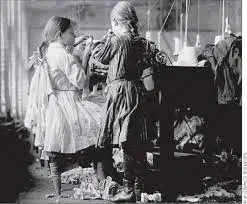
This was Samuel Slater's scheme for hiring entire families to work in factories and dividing work into simple tasks.
Rhode Island System
Lowell System
Trade Unions
Strikes
Interchangeable Parts
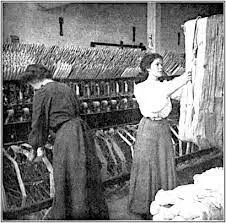
In this paradigm young, unmarried women would be provided with room and board while working at water-powered textile mills where natural fibers such as cotton or wool would be spun into thread that was then woven into cloth.
Rhode Island System
Lowell System
Trade Unions
Strikes
Interchangeable Parts
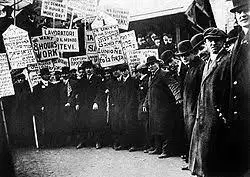
Groups of workers organized by profession who banded together to fight for safer worker conditions, reduced hours, and better pay.
Rhode Island System
Lowell System
Trade Unions
Strikes
Interchangeable Parts
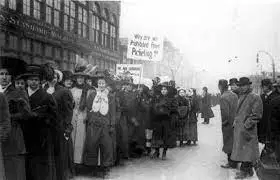
Strategic work stoppages designed to force employers to accept workers demands for safer working conditions, fair wages, reasonable hours, and the right to bargain collectively.
Rhode Island System
Lowell System
Trade Unions
Strikes
Interchangeable Parts
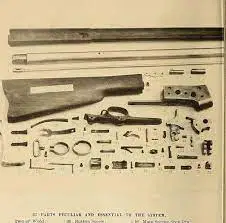
Parts built so precisely by machine tools that parts from any individual product would fit any other product that was mass produced at the same factory.
Rhode Island System
Lowell System
Trade Unions
Strikes
Interchangeable Parts
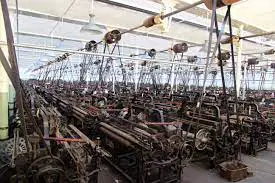
In this year, the first steam-powered textile mill went into operation in Britain.
1790
1807
1830
1838
1840

In this year, Robert Fulton's celebrated steamship, the Clermont, first plied the waters of the majestic Hudson.
1790
1807
1830
1838
1840

In this year, Peter Cooper's locomotive, Tom Thumb, made itself a very useful engine.
1790
1807
1830
1838
1840
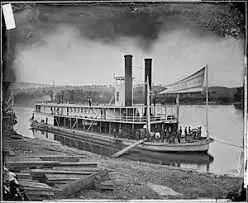
In this year, the steamship, Sirius, was the first vessel to cross the Atlantic using only steam power (no sails).
1790
1807
1830
1838
1840

In this year, president Van Buren shortened the workday for federal employees to ten hours.
1790
1807
1830
1838
1840
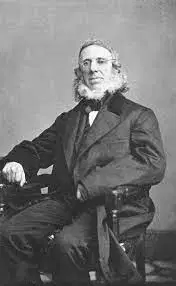
He built the first successful locomotive in the USA in 1830.
Peter Cooper
Richard Arkwright
Samuel F. B. Morse
Alfred Lewis Vail
John Deere

He built the water-powered loom known as the water frame.
Peter Cooper
Richard Arkwright
Samuel F. B. Morse
Alfred Lewis Vail
John Deere

He invented the telegraph.
Peter Cooper
Richard Arkwright
Samuel F. B. Morse
Alfred Lewis Vail
John Deere

He invented Morse code.
Peter Cooper
Richard Arkwright
Samuel F. B. Morse
Alfred Lewis Vail
John Deere
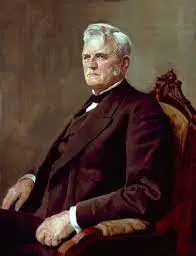
He developed the steel plow.
Peter Cooper
Richard Arkwright
Samuel F. B. Morse
Alfred Lewis Vail
John Deere
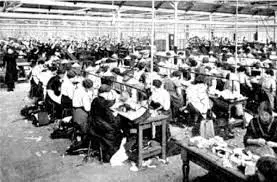
This method of producing large numbers of identical products in factories using interchangeable parts and assembly lines was known as...
mass production
technology
transportation revolution
the Clermont
Gibbons v. Ogden
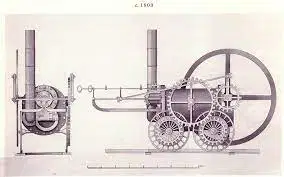
Tools used to produce goods or do work are known as...
mass production
technology
transportation revolution
the Clermont
Gibbons v. Ogden
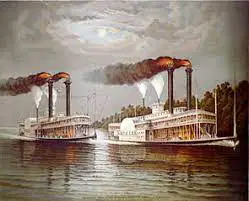
During this bustling age in the nineteenth century when the locomotive and the steamboat rose to the fore, no place's status rose more than that of the urban hub.
mass production
technology
transportation revolution
the Clermont
Gibbons v. Ogden
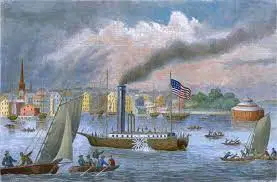
This large, commercially successful steamboat was built by Robert Fulton.
mass production
technology
transportation revolution
the Clermont
Gibbons v. Ogden

In 1824, this dispute cemented the idea that only the federal government, and not the states, could regulate interstate commerce.
mass production
technology
transportation revolution
the Clermont
Gibbons v. Ogden
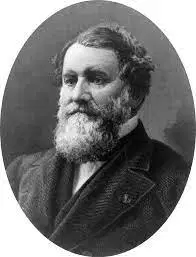
He invented the mechanical reaper.
Cyrus McCormick
Isaac Singer
Walter Hunt
Tom Thumb
Martin Van Buren

He invented a reliable and affordable sewing machine.
Cyrus McCormick
Isaac Singer
Walter Hunt
Tom Thumb
Martin Van Buren
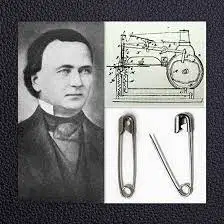
He invented the safety pin in 1849.
Cyrus McCormick
Isaac Singer
Walter Hunt
Tom Thumb
Martin Van Buren

This small but mighty locomotive named for a fairy tale character was developed by Peter Cooper in 1830.
Cyrus McCormick
Isaac Singer
Walter Hunt
Tom Thumb
Martin Van Buren

In 1840, this "little magician" reduced the workday for federal employees to ten hours.
Cyrus McCormick
Isaac Singer
Walter Hunt
Tom Thumb
Martin Van Buren

