
 Worksheets
Romantic Period
Total questions: 20
Worksheet time: 11mins
What are the approximate dates of the romantic period?
1650-1720
1750-1810
1820-1910
1945-2000
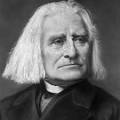
Which of the following are NOT composers from the Romantic period?
Verdi
Bach
Schubert
Tchaikovsky
Which of the following statements is TRUE of music in the romantic era?
The music was very rigid and structured
The music was expressive and dramatic
Instrumental music was simple and easy to play
Composers only stuck to a small range of notes
What was Beethoven big secret?
He really never like playing the piano.
He was going deaf.
He had a wife.

What was VERY common during the Romantic period (what life was like)?
Selling perfume
Public concerts
Traveling far distances
Attending church
In the Romantic period, composer wrote music that was technically extremely demanding to perform. This was called....
Difficult
Expressivissimo
Virtuosic
Valiant
Listen to the excerpt from the opera "La Traviata". Who is the composer?
Brahms
Verdi
Beethoven
Mendelssohn
Beethoven's 3rd Symphony was called?
Moonlight Sonata
Ode To Joy
Eroica
Jingle Bells
Which three composers were part of the Romantic era?
Shoenberg, Bitten, and Stravinsky
Bach, Handel, Vivaldi
West, East, and South
Brahms, Verdi, Chopin
How many symphonies did Beethoven compose?
3
5
10
9
The TWO main events that influenced the Romantic movement were...
Restoration and Christian reformation
French revolution and industrial revolution
Civil right movement and civil war
Which Beethoven Symphony is this?
3
5
7
9
In the ________ period they expanded on musical forms that were established during the classical period.
Medeival
Renaissance
Baroque
Romantic

What does VIRTUOSIC mean?
Playing and dancing simultaneously
Demonstrating high abilities on an instrument
Virtual reality
Keeping the beat with a wooden stick
Russian Composer who did not start studying music until the age of 21. Wrote symphonies, concertos, overtures, opera, and was most famous for his ballets. He is especially know for the Nutcracker ballet.
Brahms
Liszt
Tchaikovsky
Wagner
Which Beethoven symphony is this?
1
3
5
7
Select all of the following that are correct terms for a recurring melody or rhythmic idea in a piece of music?
Leit motif
Motif
Idee fixe
Fixed Idea
Listen to this excerpt form the Nutcracker ballet. Who is the composer?
Tchaikovsky
Schumann
Paganini
Puccini

